Caldwell County moves more mobile homes than most counties realize
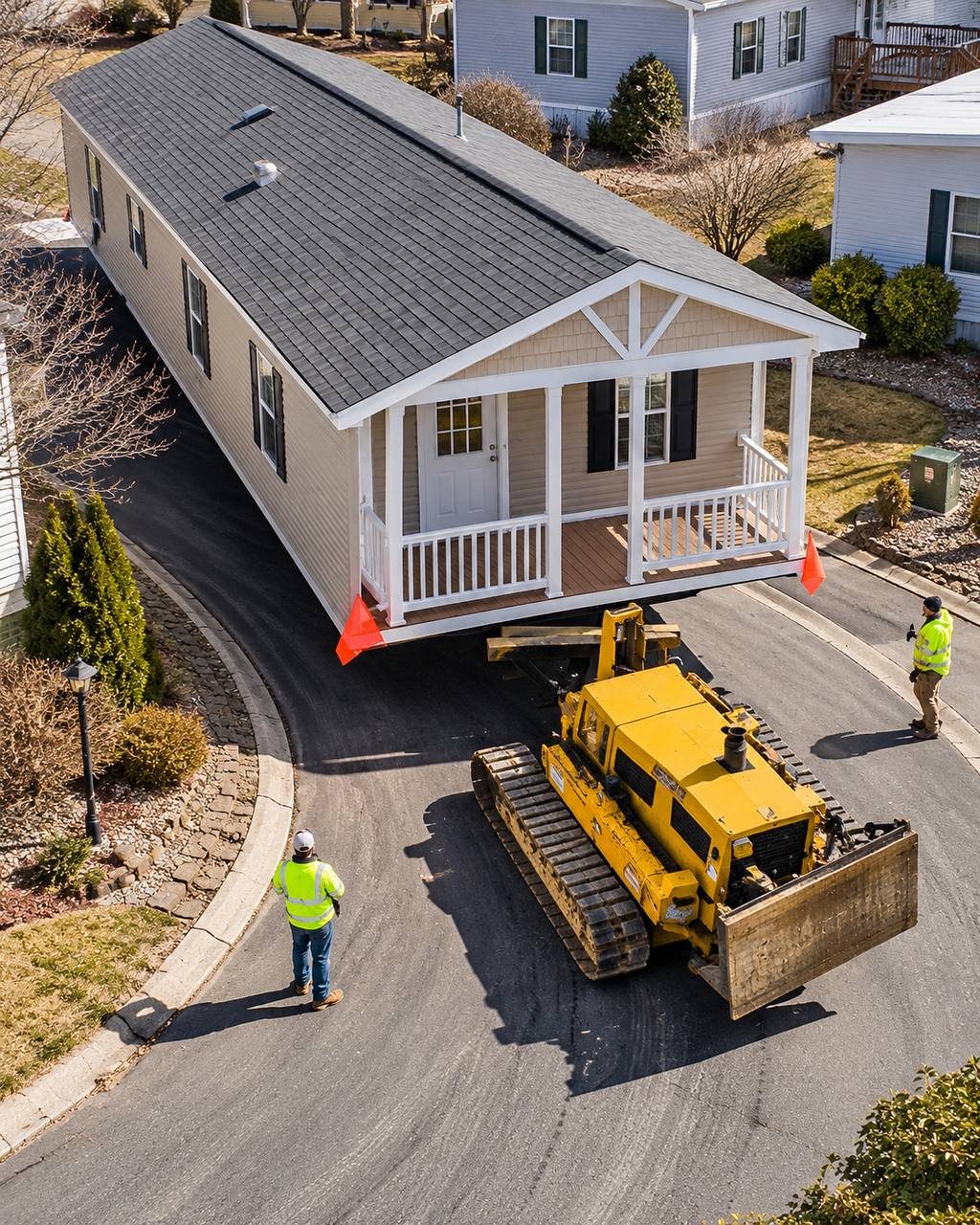
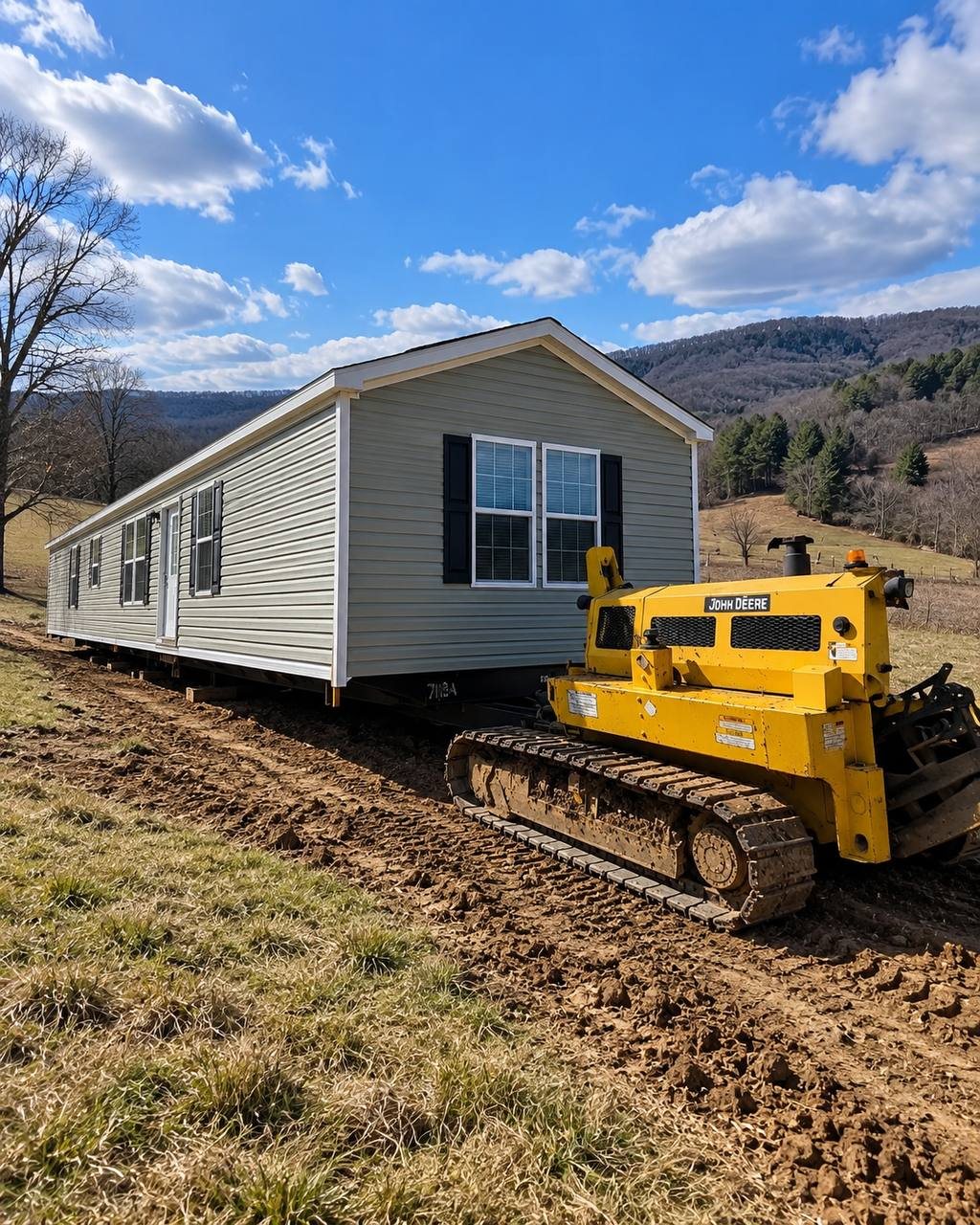
About 6,101 manufactured housing units make up roughly 16.4 percent of all homes in Caldwell County, according to U.S. Census Bureau ACS 2019-2023 estimates (table B25024). That is one of the highest shares in western North Carolina, which means mobile home movers in Lenoir NC are serving a local market where relocation is ordinary, not specialty work. A home changes hands after a sale, a family moves to a rural lot they finally own, a single-wide gets pulled from a site that's being redeveloped — these jobs happen throughout the year, across the county seat and into the rural reaches of Patterson, Hudson, and the Grandin corridor.
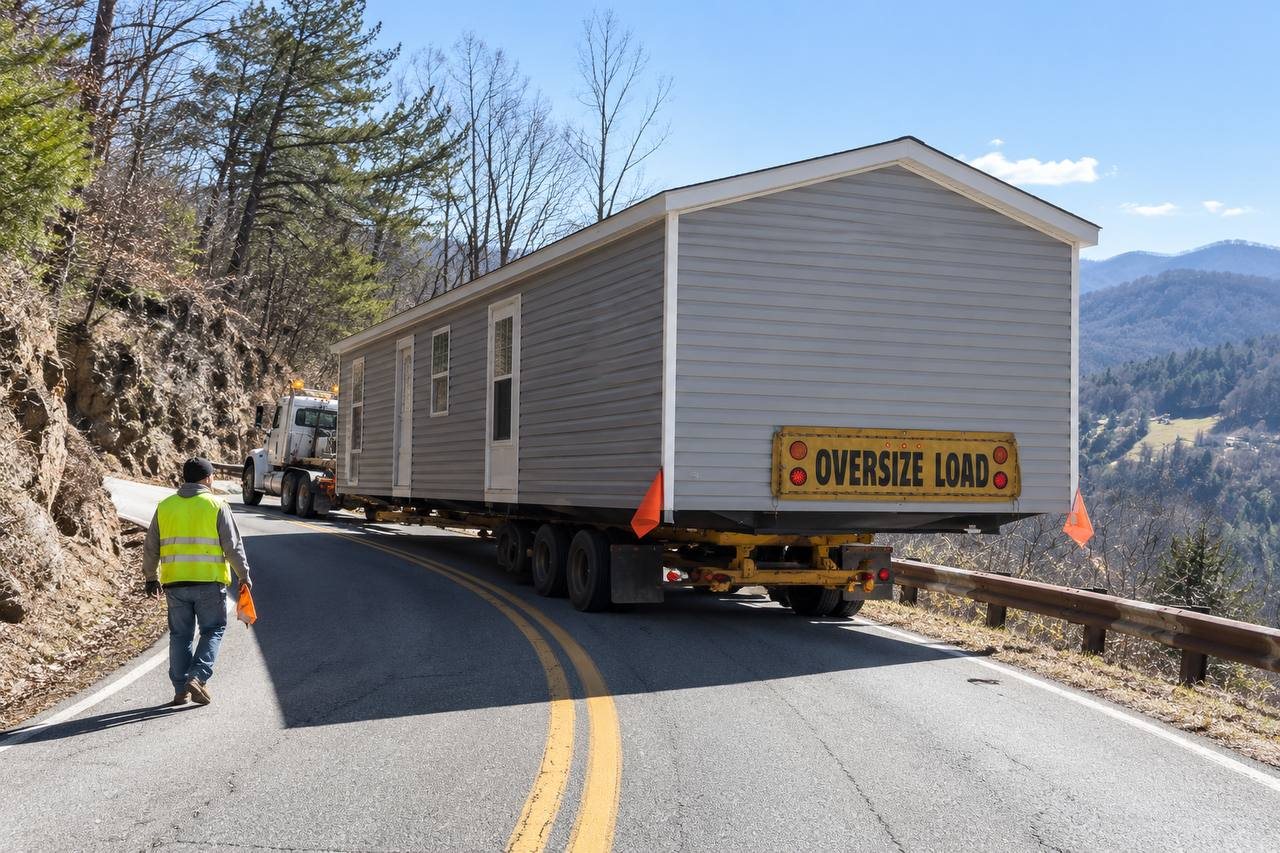
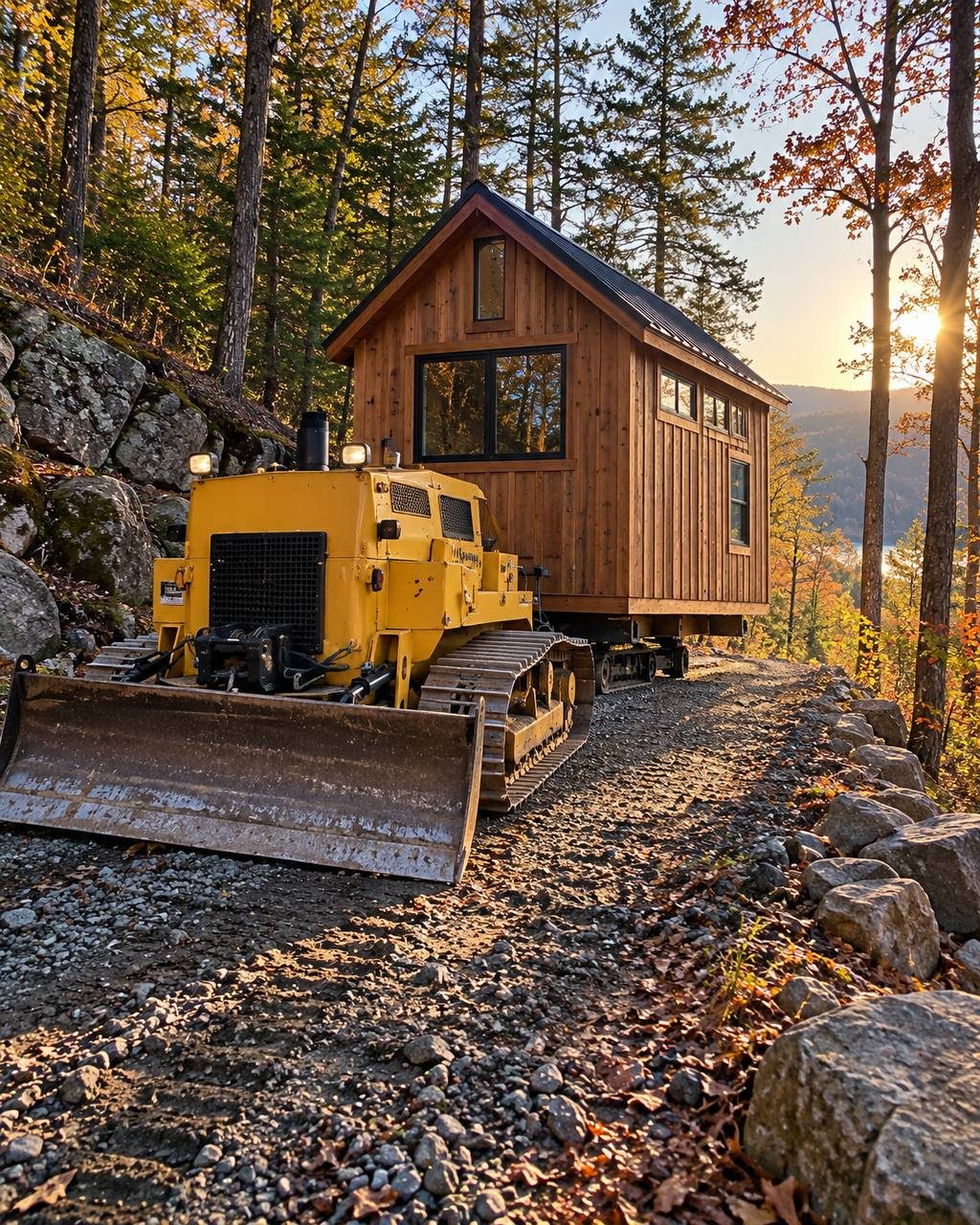
The terrain sets this market apart from flatland counties. Caldwell sits in the upper Catawba River valley, with the Blue Ridge escarpment rising sharply to the west and the Brushy Mountains forming the southern edge. US-321 is the principal corridor, but a substantial portion of the county's manufactured housing stock sits on private drives, off NC-18, or on ridge lots above the valley floor where a standard truck-and-trailer combination needs careful staging before it can set a home. What looks like a straightforward move on a map can require pilot-car coordination, temporary utility clearances, or driveway regrading that adds a day to the schedule.
The homes themselves span sixty years of vintages. Pre-1980 single-wides with tile flooring, vinyl ceiling tiles, or older duct tape insulation may contain asbestos-containing materials; federal EPA guidance requires appropriate identification and handling of those materials before relocation begins. A responsible mover flags this at the initial site visit. If yours does not raise it, ask before any work is scheduled.
What a move costs in this market
A full-service move — disconnect, transport, and block-and-level at the new site — runs $3,000 to $8,000 for a single-wide and $7,000 to $15,000 for a double-wide. Those are honest Caldwell County ranges. The table below breaks them down by common job scope; treat it as a working frame for budgeting, not a binding quote. A site visit to both the origin and destination property is the only basis for a reliable number.
| Move scope | Typical range |
|---|---|
| Single-wide, within Caldwell County | $3,000–$5,500 |
| Single-wide, regional haul (50+ miles) | $5,500–$8,000 |
| Double-wide, within Caldwell County | $7,000–$11,000 |
| Double-wide, de-mate required or long haul | $11,000–$15,000 |
Jobs at the high end of each range typically involve steep or unpaved driveways at either end, a double-wide that must be separated at the marriage wall to travel safely, or hauls that cross multiple county permit jurisdictions and require coordinated routing. Ridge lots above Lenoir can add time for overhead utility coordination that valley-floor jobs never require. See the transport overview for how haul distance and road conditions affect scheduling and cost beyond the base ranges.
The permit steps before the wheels turn
Two state-level requirements apply to every move on a North Carolina public road. First, an oversize transport permit from NCDOT's MH-2 program approves the specific route, defines legal travel windows (daylight only on most routes), and specifies pilot car requirements. The permit is issued per route, not per truck — a mover who can discuss your origin and destination addresses and identify likely routing constraints has used the system before; one who quotes without asking where the home sits has not.
Second, NCGS Chapter 105, Article 18 requires a tax-paid moving permit confirming that Caldwell County property taxes on the home are current before the move is completed. This step catches sellers off guard more often than any other in this market. The permit is the seller's obligation to clear, not the mover's to assume. A sale that closes with the tax record unsettled can stall with the home already disconnected and the transport truck in the driveway. Clearing it before move day costs nothing; clearing it on move day costs a delay.
Caldwell County separately requires a setup permit and building inspection for any home placed on a new site within the county. That inspection covers the foundation system, utility connections, and tie-down installation. When you speak with a mover, ask which permits they pull on your behalf, which the landowner applies for separately, and who schedules the county inspection appointment. The answer tells you quickly whether they have worked Caldwell County before.
Anchoring requirements and the storm record
Caldwell County falls in HUD Wind Zone I under 24 CFR 3280.305, the base wind-zone designation for this part of western North Carolina. Zone I still requires a complete tie-down system installed to the manufacturer's engineering specification: anchor spacing, strap type, and minimum footing depth are all regulated requirements, not optional upgrades. The National Weather Service wind-zone mapping confirms Zone I for this area, and that designation is what the county building inspector verifies when a new placement is signed off. A setup that skips or shortcuts the anchor system can fail inspection, void the manufacturer's warranty, and leave the home exposed to conditions this county has demonstrated it can deliver.
The storm record makes that last point concrete. Caldwell County has had 20 federally declared disaster incidents spanning 1974-2026, including a Winter Storm in 2026, a Tropical Storm in 2024, a Hurricane in 2022, a Severe Storm in 2021, and a Hurricane in 2020. Each event tested anchor systems that were already in place. Homes moved and re-anchored to current Zone I standards weathered those events substantially better than units re-set under older practices or by crews who treat tie-downs as a line item to rush through. The setup and blocking guide covers what a compliant Caldwell County installation looks like after the transport crew clears the site.
How to hire the right crew for this terrain
Caldwell County roads are not a controlled highway environment. Rural routes here narrow without warning, climb significant grades, and pass under utility infrastructure that standard GPS routing ignores. Before signing anything, ask the mover whether they have pulled an NCDOT MH-2 permit for your specific origin and destination addresses. A crew that can name the likely route constraints at both properties has worked this terrain; a crew that quotes a flat rate without asking where the home sits is estimating blind.
Get a written scope that itemizes each line: disconnection, transport, blocking and leveling, county setup permit coordination, and utility reconnect. Vague scopes resolve in the wrong direction when something unexpected comes up at the job site. If either property is in the Lenoir city limits or on US-321 or NC-18, ask specifically about overhead power line clearances — active constraints on both roads affect routing for some moves. If the home is a double-wide, confirm whether de-mating at the marriage wall is included in the quote or priced separately; it is frequently the largest single variable in a double-wide job and the one most often glossed over in a phone estimate.
When you are still comparing options across the county and the broader Hickory metro area, the local mover search lists crews with experience in the Caldwell County market. Verify that any mover you contact can speak to both origin and destination road conditions before you commit to a date.