One in five homes here is a mobile home
Madison County holds roughly 2,534 manufactured homes — about 22.6% of all housing units, one of the highest shares in western North Carolina according to U.S. Census Bureau ACS data. That concentration reflects the county's housing character: rural land ownership is common here, lot costs run well below the surrounding metro areas, and manufactured homes have long served as practical primary housing across the county's mountain coves and valley floors.
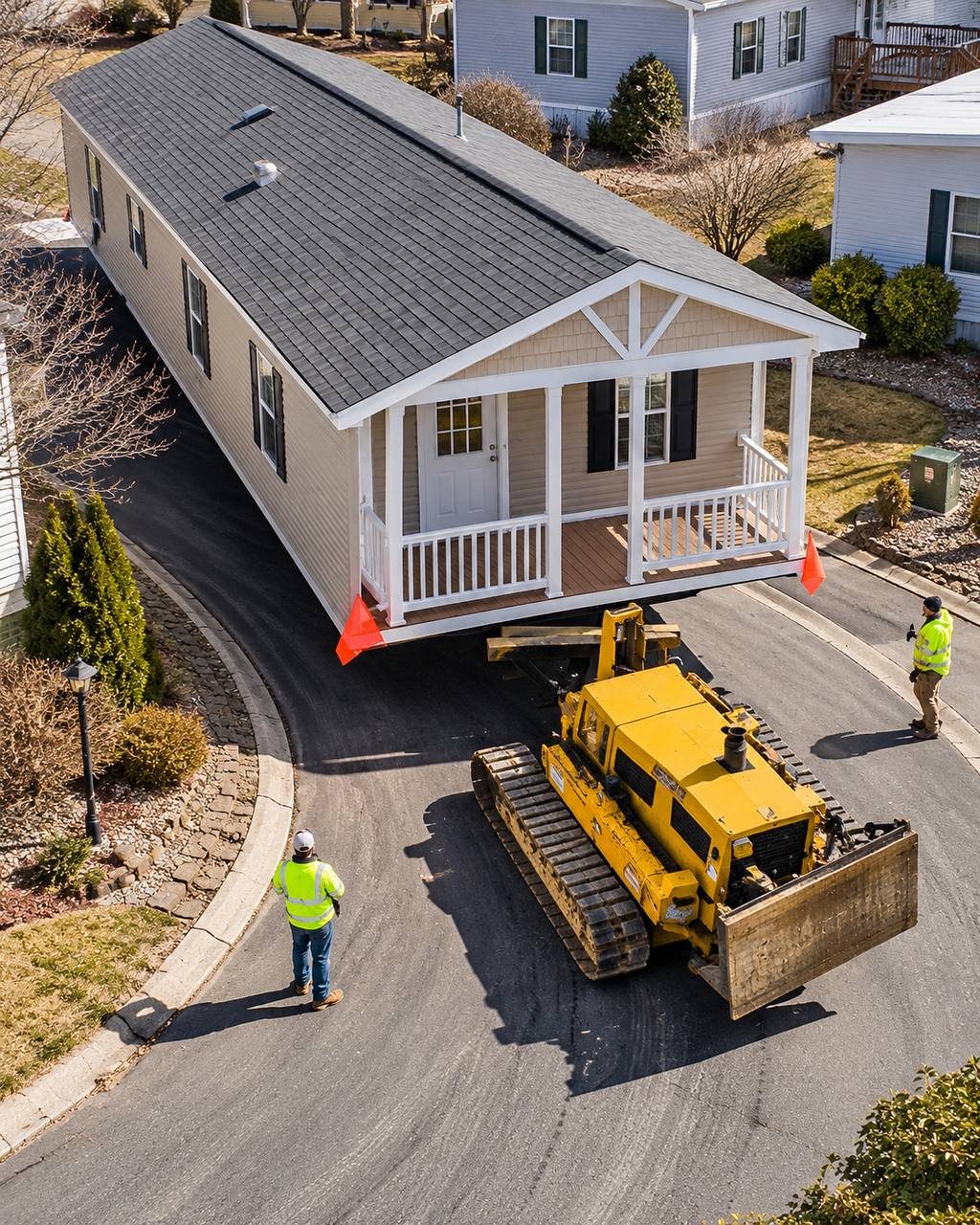
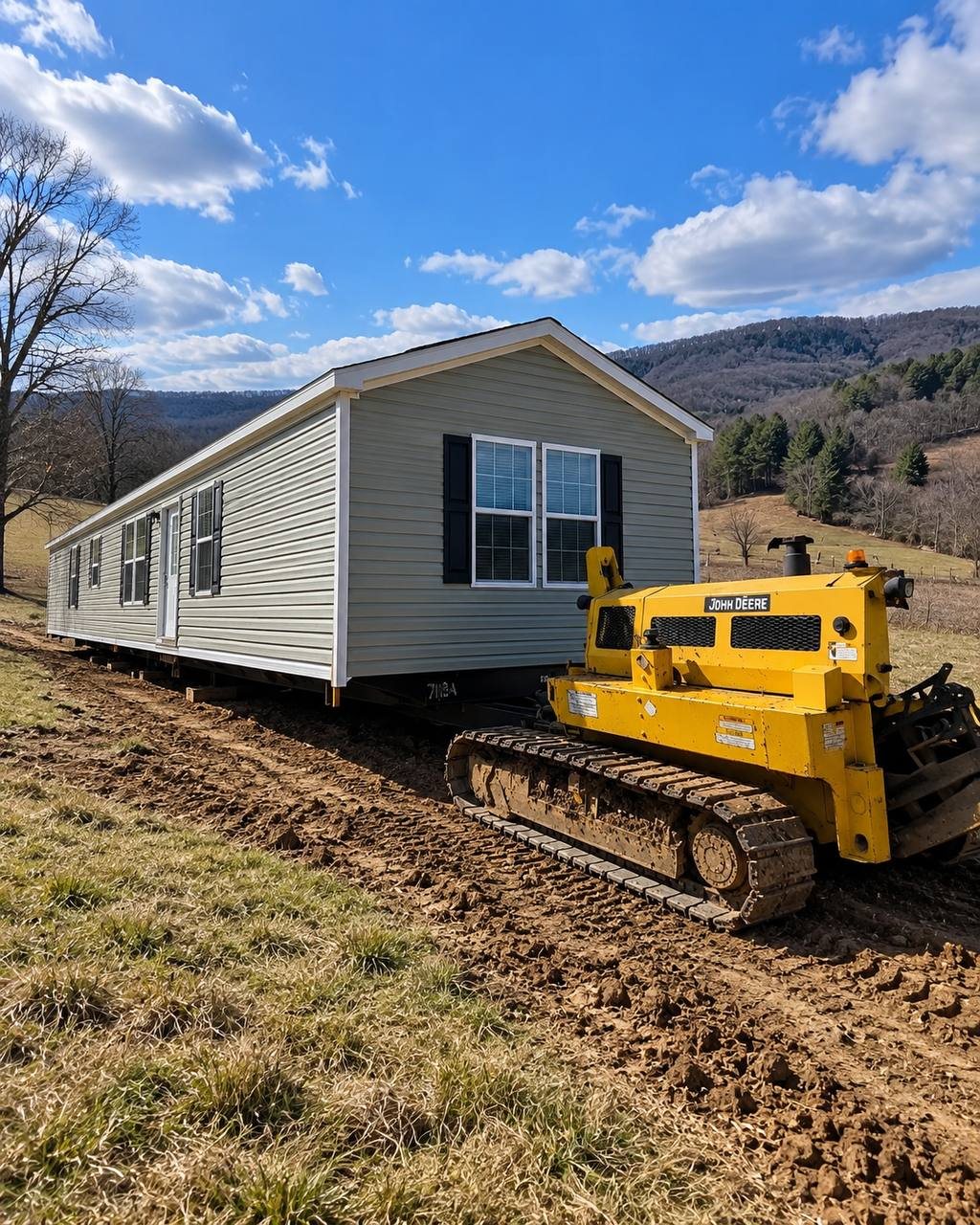
Homes move here for predictable reasons — owners relocating within the county, buyers who have purchased land and need to move a home onto it, estate settlements that require a home to be cleared from a family property, and parks that change ownership or density. The county seat at Marshall sits along a tight bend in the French Broad River, with residential pockets stretching into Walnut, Hot Springs, Spring Creek, and the Laurel Valley hollows — each with its own access conditions and lot constraints.
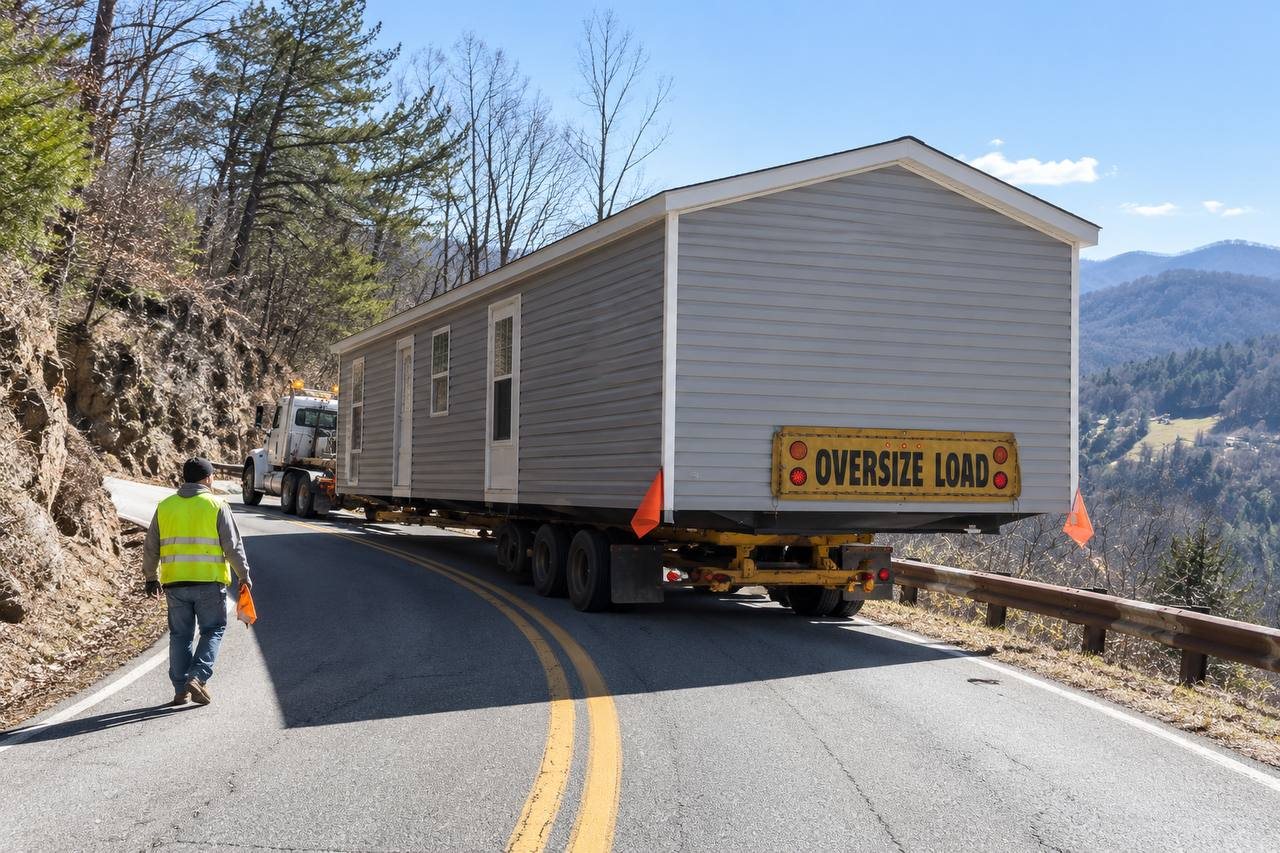
Moving a home in this terrain is not the same job it is on piedmont flatland. Ridge driveways, weight-restricted state routes, and river-bottom approaches all factor into how a move is scoped and priced. The first step is an honest site assessment of both the origin and destination before a single permit application goes in. If you are still sorting out what service fits your situation, the transport overview walks through the full process from disconnection to delivery.
What a move costs in Madison County
Terrain and distance are the two main price movers around Marshall. The table below breaks out typical ranges by scope; setup and utilities are quoted separately and are not included in transport line items.
| Move scope | Typical range |
|---|---|
| Single-wide, flat lots, under 30 miles | $3,000 – $5,500 |
| Single-wide, ridge or gravel access, or longer haul | $5,000 – $8,000 |
| Double-wide, flat lots, under 30 miles | $7,000 – $10,500 |
| Double-wide, ridge or gravel access, or longer haul | $9,500 – $15,000 |
| Setup and blocking at destination | Quoted separately |
| Utility reconnection | Not included in transport quote |
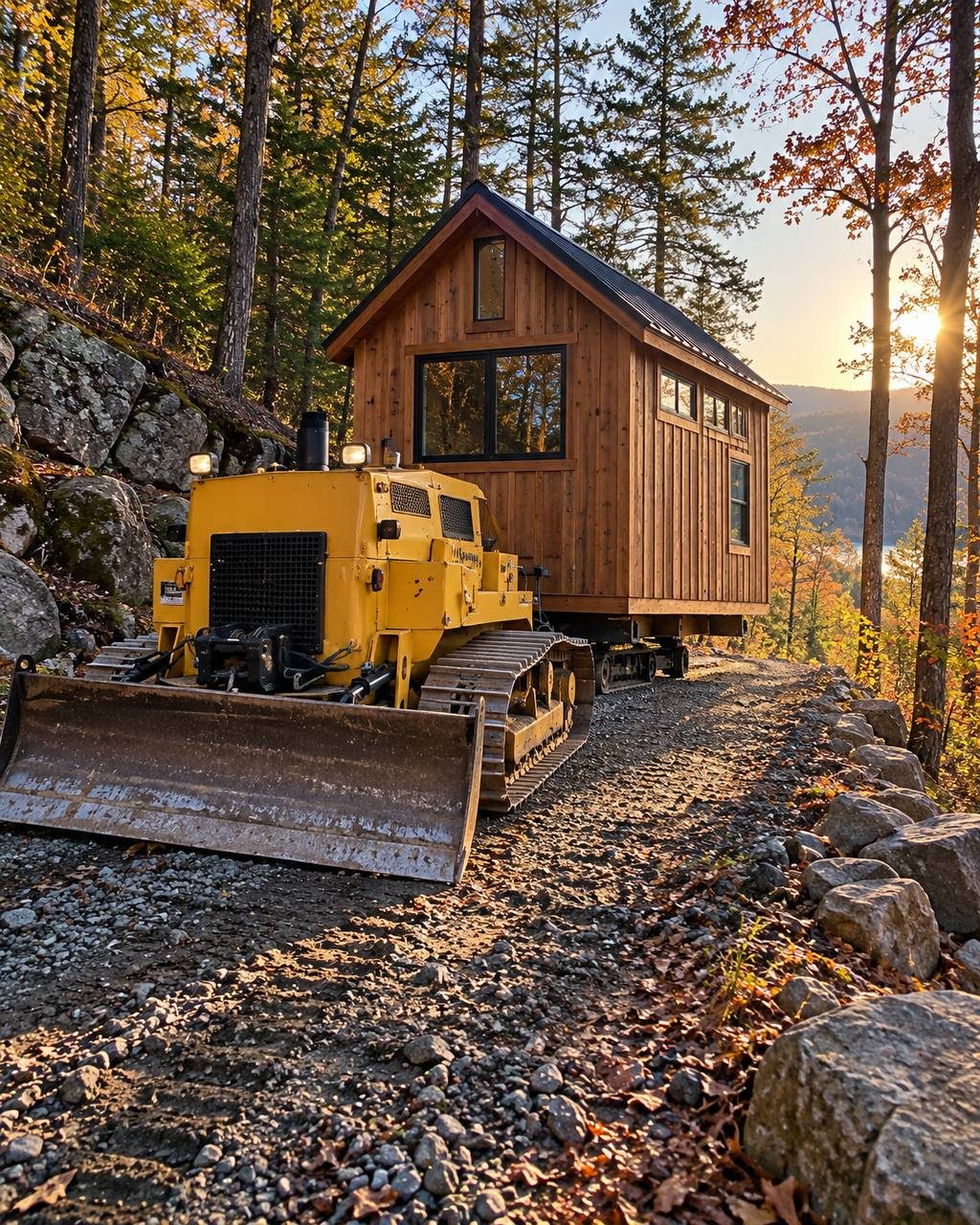
A steep gravel approach, a narrow road with a switchback, or a destination lot that requires a crane pick does not automatically push a job past those ranges — but it does move the quote toward the top. What pushes jobs past midrange in this county: ridge lot access over unimproved roads, routing over secondary highways where some bridges carry clearance restrictions, and double-wides that require separation and reconnection rather than a single-piece haul. A quote that does not specifically address route conditions and lot access at both ends of the move is not a complete scope.
The permit and paperwork sequence
Three items are required before a manufactured home can legally move in North Carolina, and they must happen in order.
First: the oversize/overweight transport permit from the NC Department of Transportation. Madison County's mountain routes require permit routing review, and some secondary state routes carry posted weight and clearance restrictions that determine which path the home can legally travel. A home that takes the wrong route without a proper permit can be stopped mid-haul. The current rules and application process are documented in NCDOT Publication MH-2; that document is worth reviewing before you sign any transport contract, because the routing constraints it describes directly affect how a quote for this terrain should be structured.
Second: a tax-paid moving permit under NCGS Chapter 105, Article 18. The Madison County tax office issues this once it confirms property taxes on the home are current. Processing time varies; build in enough lead time that a permit delay does not push your move date. Do not book a truck without it confirmed.
Third: a setup permit and county inspection at the destination. The home cannot be connected to utilities or occupied at the new site until it passes that inspection. The sequence is firm: transport permit and tax permit before the home moves; setup permit and inspection after delivery, before occupancy.
Every move on a public road in Madison County needs an NCDOT oversize/overweight transport permit (NCDOT Publication MH-2), and the setup at the new lot follows the state manufactured home rules overseen by the NC Office of State Fire Marshal.
Anchoring, setup, and the wind zone on record
Madison County falls in HUD Wind Zone I under 24 CFR 3280.305 — the standard designation, which sets minimum anchoring and tie-down requirements for homes installed here. Zone I specifies anchor type, spacing, strap placement, and load ratings; the manufacturer's installation manual and the HUD standard work together, and any permanent installation in the county must satisfy both to pass the setup inspection.
The wind zone classification does not tell the full story of what homes here face. The county has recorded 21 federally declared disasters over 1978-2026, including hurricane declarations in 2020, 2021, and 2023 and a tropical storm event in 2024. The French Broad River corridor concentrates storm rainfall in ways a wind zone designation alone does not capture. A properly anchored home survives those events in ways an improperly set one does not — the difference is in the details of the installation, not the home itself. The setup guide covers what a compliant installation looks like and what questions to ask your installer before the county inspection. The National Weather Service publishes the regional weather and wind data that informs zone classifications for this area.
Older homes, steep roads, and what changes the scope
Madison County's high manufactured housing share means many homes in the local market predate 1980. Pre-1980 homes may contain asbestos in duct insulation, floor tile, or ceiling material, and lead-based paint on surfaces throughout. The EPA regulates handling of both during any work that disturbs those materials — and a move that requires partial disassembly, axle repositioning, or repairs to exterior sheathing can trigger those requirements. Have older homes assessed before scheduling the move, not after the crew arrives on site.
Terrain affects job scope more here than in most North Carolina counties. Even short hauls within Madison County can require routing over state routes with bridge clearance limits, navigating switchbacks off the main river corridor, or accessing destination lots where a gravel road narrows to one lane between ridgelines. A route survey before the job begins prevents the kind of day-of surprises that turn a manageable move into a multi-day problem. Any quote for work in this terrain should include route review covering both origin and destination — treat one that omits it as incomplete.
For coverage beyond Marshall, mobile home movers near you spans Madison County and into neighboring Yancey, Buncombe, and Haywood counties across western North Carolina.