Nearly one in four homes in Wilkes County is a manufactured home
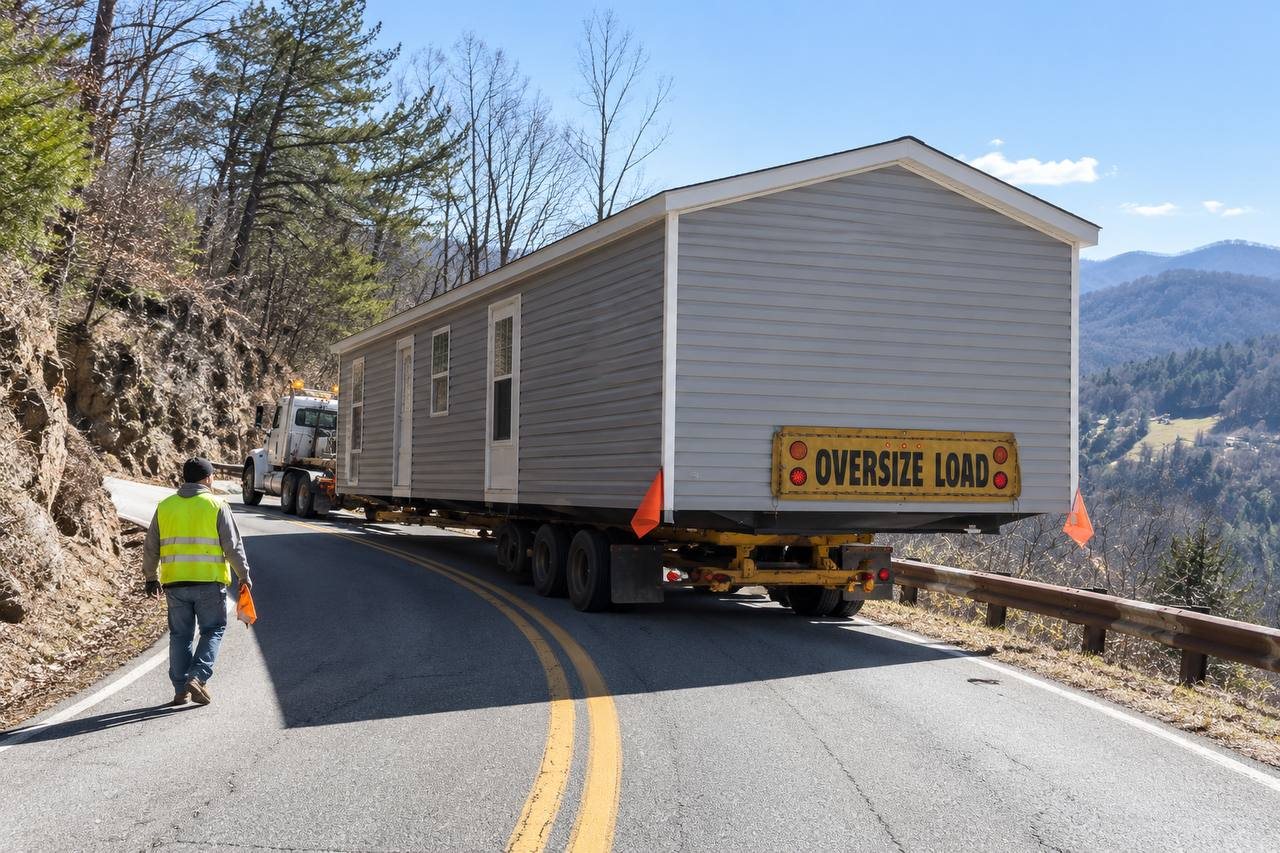
U.S. Census Bureau ACS 2019-2023 estimates put Wilkes County at roughly 7,444 manufactured homes — about 23.5 percent of all residential units, one of the highest shares in western North Carolina. That figure reflects how this county was built: affordable housing placed on land families already owned, spread across creek bottoms and ridge-line tracts from Wilkesboro and North Wilkesboro out through the rural township roads. The Brushy Mountains crowd the county's southern edge; narrow state-route branches, low-overhead utility lines, and driveways cut for passenger vehicles are the terrain realities that shape every move quote here.
That concentration of manufactured housing means experienced crews are working this market regularly, not arriving for a one-off job. Movers with genuine Wilkes County experience know the secondary road constraints, the common access problems on creek-bottom lots, and which site conditions require a survey visit before any transport date is confirmed. For anyone searching for mobile home movers in Wilkesboro NC or across the county, that local familiarity is worth asking about directly.
What moving a single-wide or double-wide costs around Wilkesboro
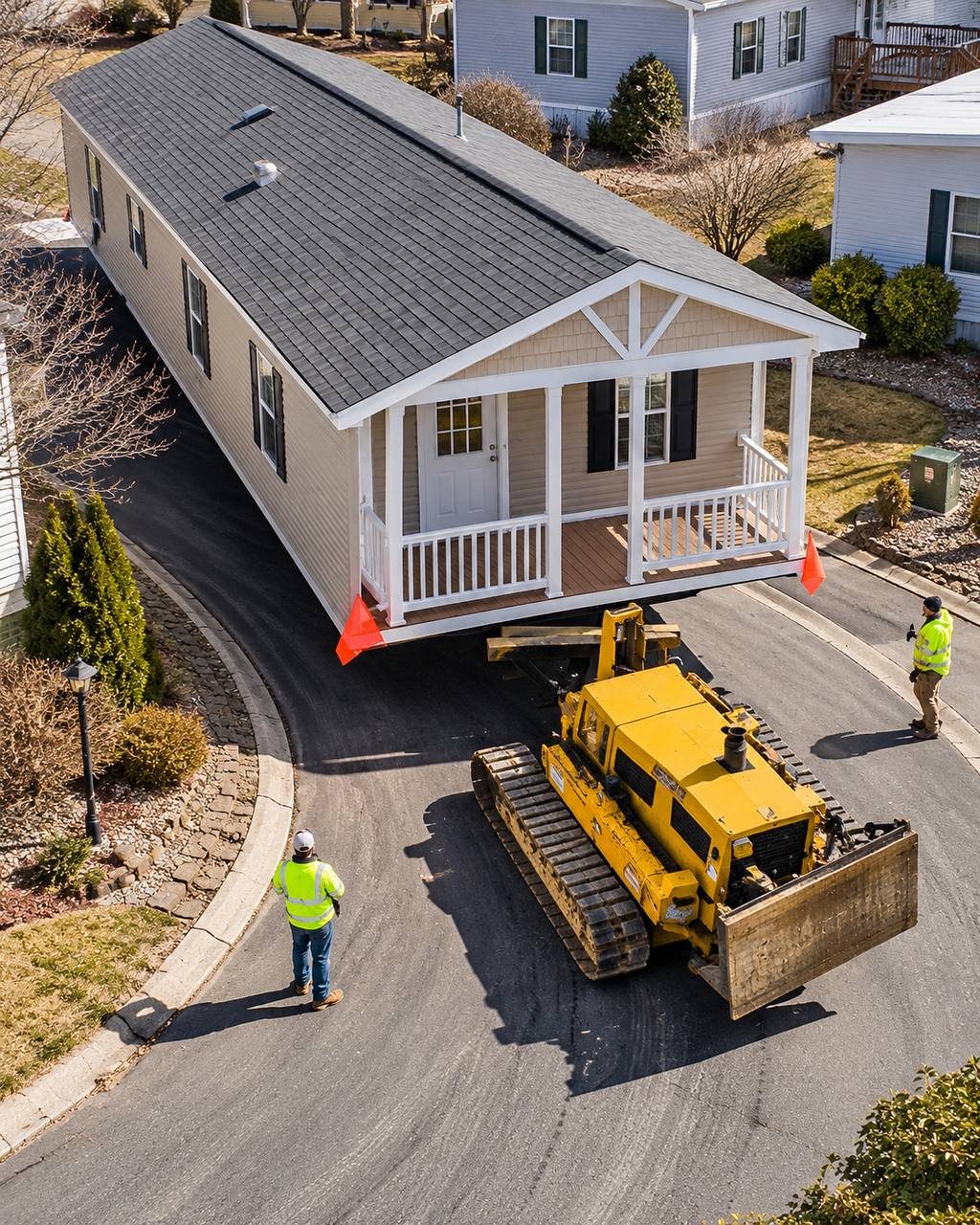
A single-wide relocation in and around Wilkesboro typically runs $3,000 to $8,000. A double-wide sits higher at $7,000 to $15,000. Those figures cover transport labor and equipment. What actually moves a quote from the low end toward the high end of its band comes down to distance, road conditions, and site preparation at both ends:
| Move Scope | Typical Range | What Drives the High End |
|---|---|---|
| Single-wide, local move under 25 miles | $3,000 – $5,500 | Difficult road access, utility clearance work |
| Single-wide, longer haul or complex access | $5,500 – $8,000 | Multi-county routing, required pilot vehicles |
| Double-wide, local move under 25 miles | $7,000 – $11,000 | Section separation and rejoining, site grading |
| Double-wide, longer haul or difficult site | $11,000 – $15,000 | Multiple-day move, road or driveway improvements |
Setup at the destination — blocking, leveling, skirting, anchor installation, and utility hookups — is typically priced separately from transport. The setup and installation guide explains what that work covers and what to confirm in writing before any contract is signed.
The permit layer that has to be in place before the wheels turn
Three separate requirements apply to most Wilkes County moves, and missing any one can stop a job mid-route or prevent occupancy at the destination.
NCDOT oversize transport permit: Any manufactured home moving on a North Carolina road requires an oversize/overweight permit issued under the NCDOT Publication MH-2 process. The permit establishes the approved route, time-of-day restrictions, and whether a pilot vehicle is required. Wilkes County's rural secondary routes have width and load constraints that can force detours — the approved route needs to be confirmed before the move date is set.
Tax-paid moving permit: North Carolina law requires a tax certificate before a manufactured home can be moved. NCGS Chapter 105, Article 18 governs this step: the county tax office must certify that property taxes on the home are current before the moving permit is issued. This process has its own lead time, so begin it before the move date is scheduled.
Destination setup permit and inspection: Wilkes County requires a permit and inspection at the destination site before a relocated home can be connected and occupied. That inspection covers blocking, anchoring, and utility connections. The full transport and permit checklist lays out the sequence so each item is in hand before it is needed.
What Wilkes County terrain does to a site access quote
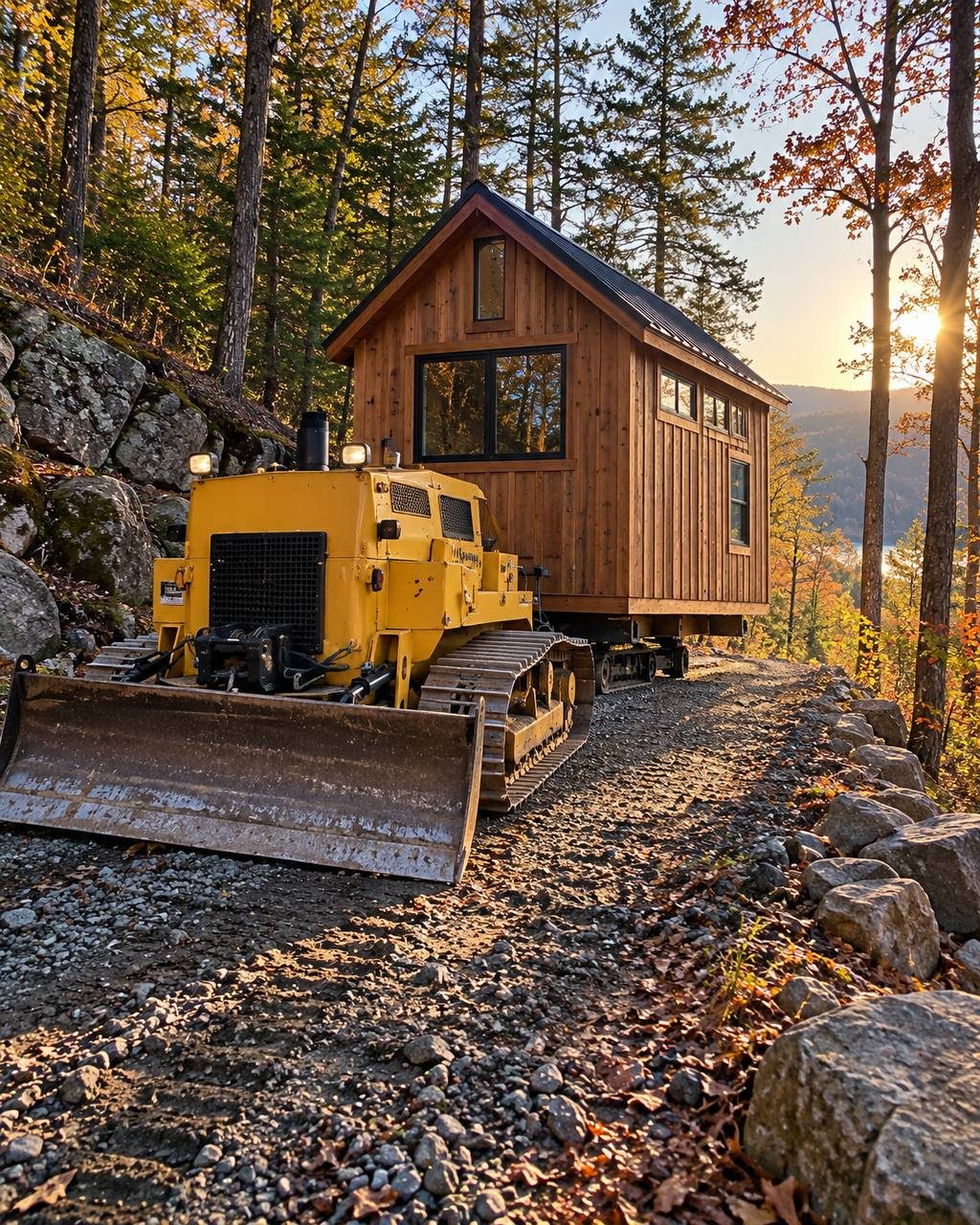
Wilkes County sits at the transition from the Piedmont to the Blue Ridge foothills. Most of the county is rolling to steep; the creek-bottom and ridge-line lots that hold much of the manufactured housing stock are accessed by one-lane gravel roads with limited turnaround room. A transport rig — even a single-wide on a single trailer — is a long vehicle that needs confirmed sight lines and a firm surface at both ends of its run.
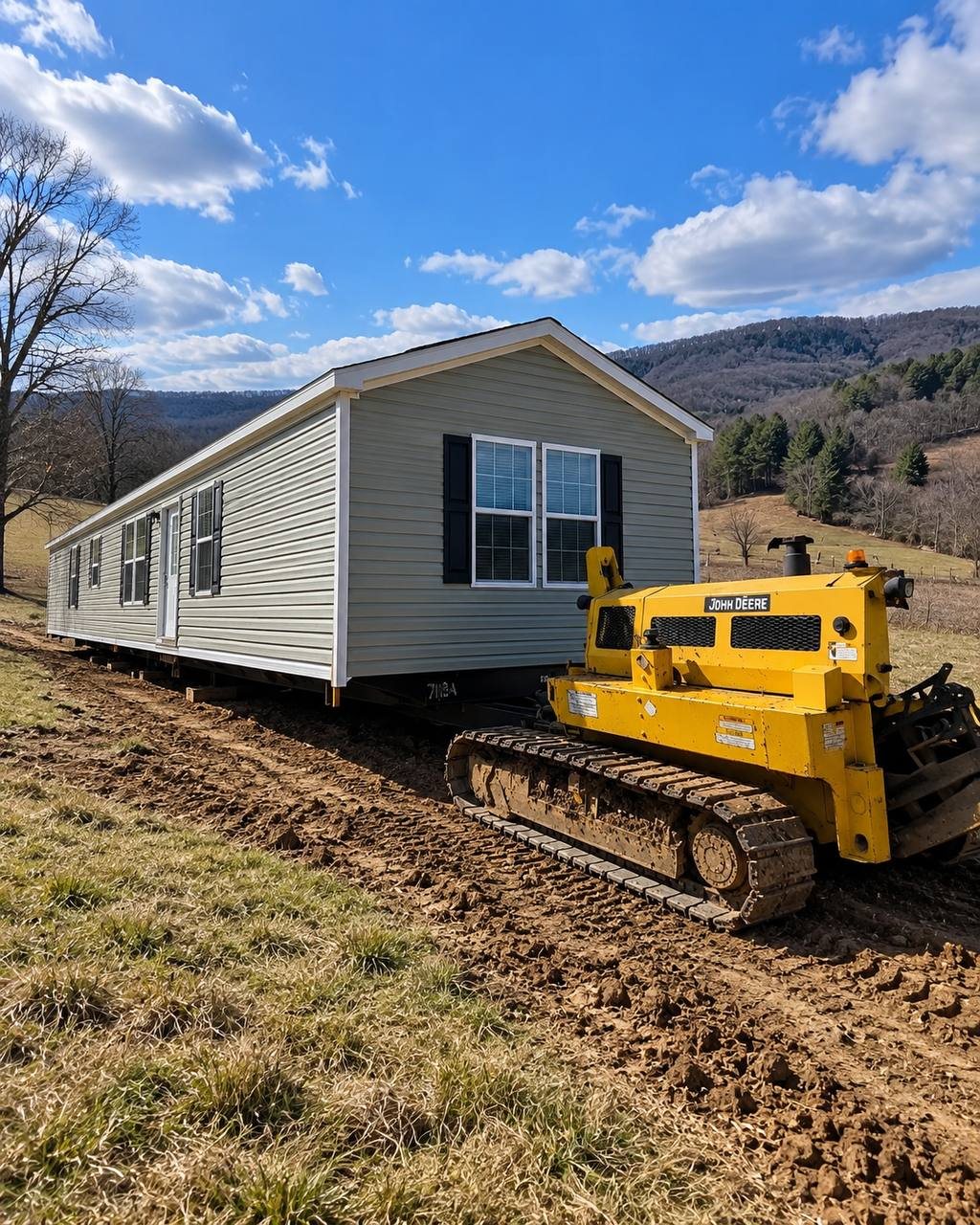
A site visit before the move date is the most useful step in the planning stage. That visit should confirm road width and overhead clearance from the nearest paved road to the home pad, whether any culverts can carry the axle load, and whether the destination pad needs grading or added gravel before delivery. Discovering an access problem on move day almost always costs more in delay and rerouting fees than the site visit would have.
If you are still comparing crews, local mover listings can help identify contractors with documented Wilkes County experience before committing to a quote.
Pre-1980 homes and what the move process has to account for
Manufactured homes built before 1976 predate HUD construction standards entirely; those built between 1976 and 1980 may still contain asbestos-containing materials in floor tile, ceiling tile, and duct insulation, as well as lead-based paint on interior and exterior surfaces. Separating a double-wide for transport disturbs those materials in the same regulated sense as demolition work.
The EPA requires inspection and proper handling of asbestos-containing materials before any work that disturbs them begins. A pre-move inspection by a licensed asbestos professional is not an optional line item on older homes — it is a regulated step that belongs in the project budget from the start, not a number that surfaces after the contract is signed. Lead-based paint requires the same attention when children or pregnant occupants will be present during any phase of the work.
Structural condition is a second concern. Outriggers, floor framing, and marriage wall connections on a double-wide that has not been relocated in decades should be assessed before the home is loaded for transport.
Anchoring requirements and the storm record that informs them
Wilkes County falls in HUD Wind Zone I under 24 CFR 3280.305. That designation, confirmed through National Weather Service wind-zone mapping, sets the minimum anchor type, spacing, and strap specification for any manufactured home setup in the county. Zone I covers most of western North Carolina's non-coastal counties, and the county setup inspection checks anchor compliance before the home is cleared for occupancy.
The local storm record gives that requirement real weight. Wilkes County has had 19 federally declared disaster events over 1978-2026, including Hurricanes in 2022 and 2020, a Tropical Storm in 2024, a Severe Storm in 2021, and a Winter Storm in 2026. Each of those events tested anchor systems across the county. A compliant installation — documented through the permit and inspection process — is the first line of defense when the next event arrives.
All anchor certification and setup documentation should be filed before occupancy. The setup guide details what a compliant Wilkes County installation involves and what the county inspection covers.