Lincoln County's manufactured housing footprint
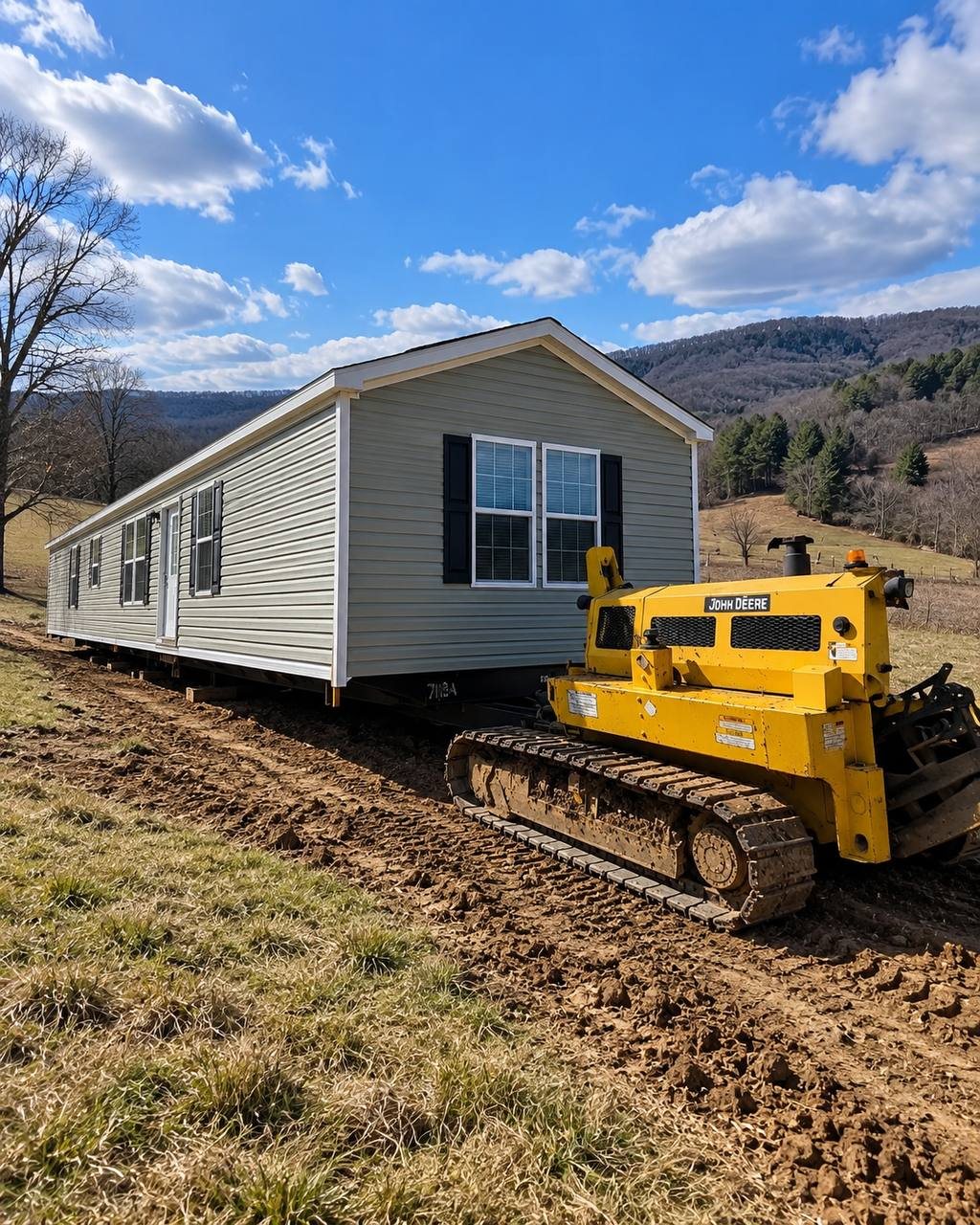
Lincoln County, NC counts roughly 6,241 manufactured homes in its housing stock — about 16.2 percent of all units, according to U.S. Census Bureau ACS 2019-2023 estimates. That share ranks among the highest in western North Carolina, which is why mobile home moving is a regular trade in and around Lincolnton rather than an occasional specialty. The manufactured housing stock here ranges from older single-wides in established rural communities and park settings to newer double-wides on owned lots throughout the county, and some of it has been in place through multiple storm seasons.
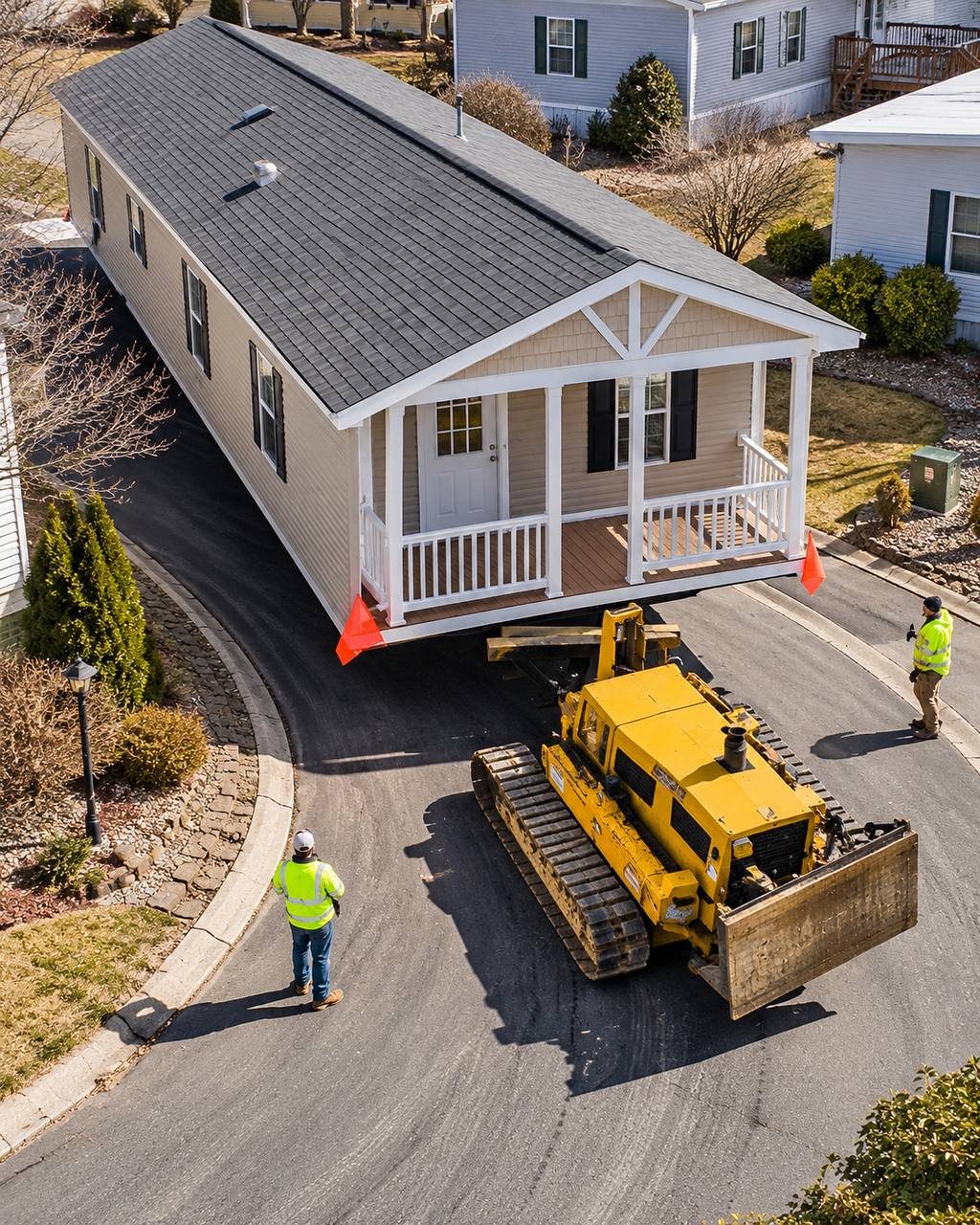
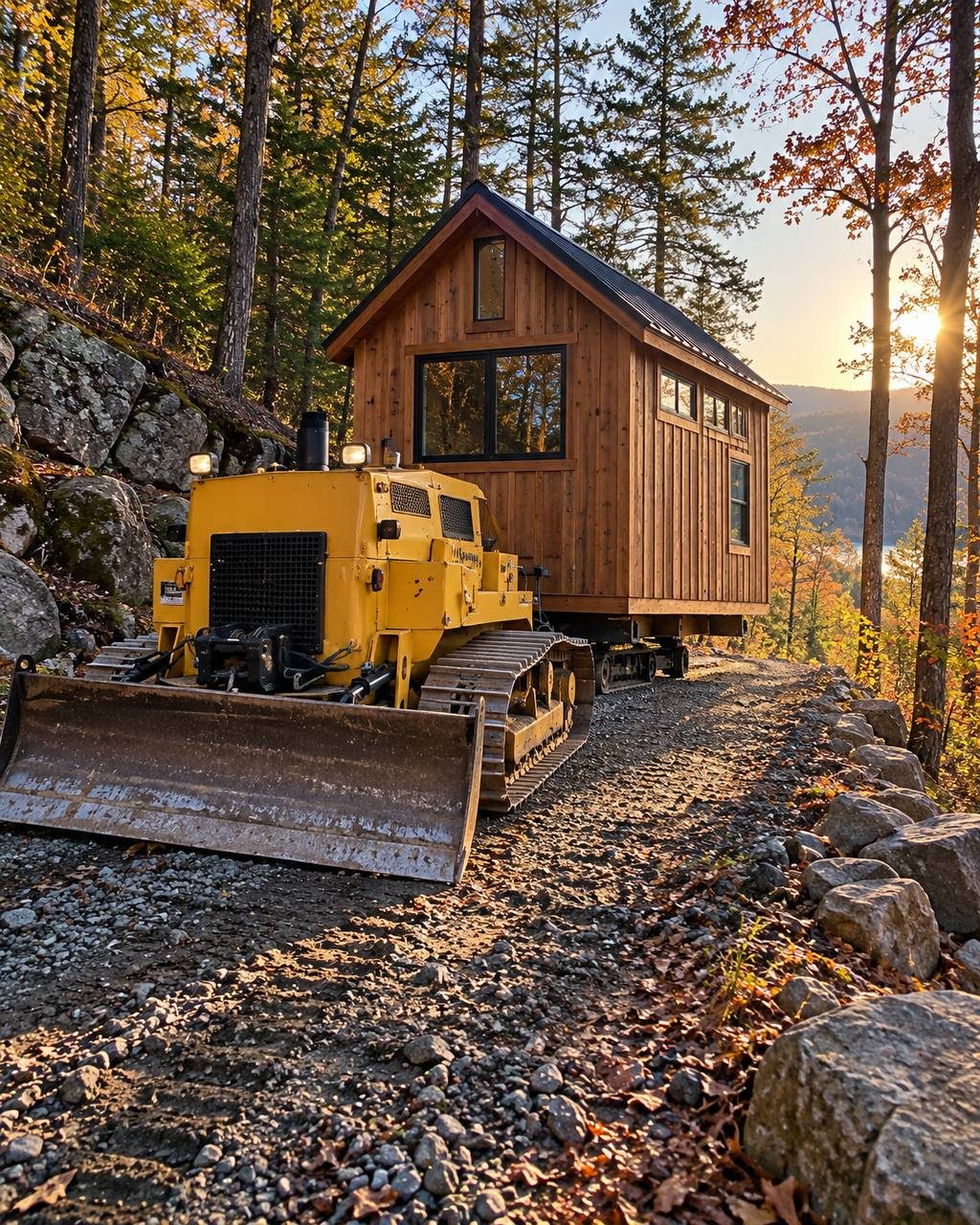
The county seat sits in gently rolling Piedmont foothills: not the steep ridgeline terrain of the counties to the west, but not flat either. Lots range from tight in-town parcels near downtown Lincolnton to broader rural tracts along NC-27 and US-321, and access varies considerably between them. A single-wide pulled cleanly off a rural lot and hauled a few miles on a clear highway is a different job from a double-wide extracted from an older park with a tight exit lane and low utility lines at the street. The cost difference between those two jobs is almost entirely in the pre-move site assessment — which is why a site visit matters before anyone quotes a number.
The permits that have to happen before the truck rolls
Two permit steps sit between a decision to move and a truck rolling legally on North Carolina roads. The first is the tax-paid moving permit required under NCGS Chapter 105, Article 18. This permit confirms that property taxes on the home have been settled with Lincoln County before the unit leaves the parcel. Enforcement does check for it at roadside inspections; a missing permit can stop a move already in progress, not just prevent it from starting.
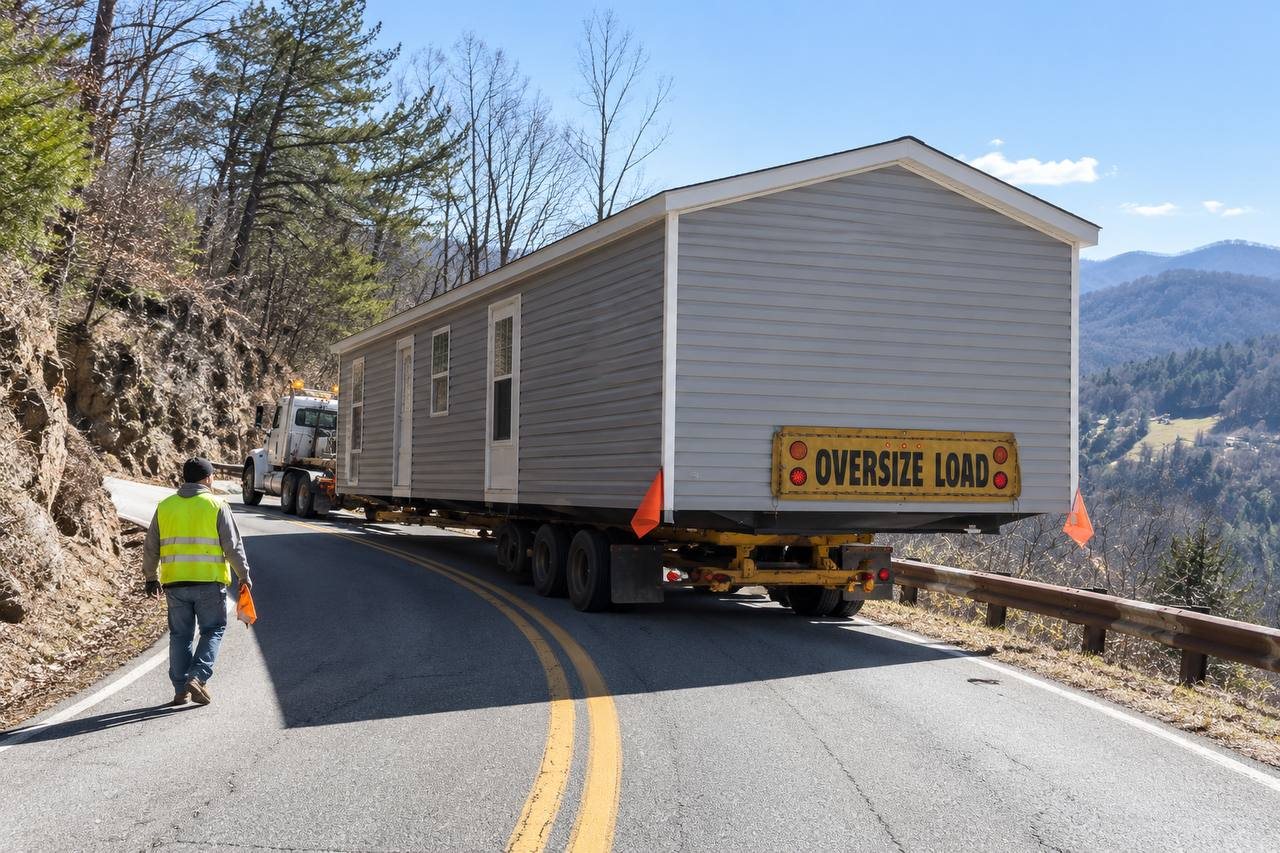
The second is the oversize/overweight transport permit from the North Carolina Department of Transportation. Practically every manufactured home exceeds standard lane width at full dimension and requires a NCDOT permit before it moves on public roads. NCDOT Publication MH-2 governs the clearance rules, pilot-car requirements, and time-of-day restrictions that apply. A double-wide moves as two separate sections — each requires its own permit application and pilot-car coordination, which affects both the scheduling window and the total permit cost.
After the home arrives, Lincoln County requires a setup permit from the county inspections department before permanent connections can be made. That permit confirms the installation — foundation, blocking, anchoring, and utility connections — meets NC state code. Turnaround time on the inspection varies by season; building it into the project schedule from the start avoids the more common delay of discovering it at the end.
What a move in Lincoln County actually costs
The ranges below reflect real conditions here: road widths on rural routes, lot grading at destination sites, and the permit load each move type carries. Any job that crosses a bridge with a posted weight limit on a county road, requires a utility-line lift, or involves a tight exit from an older park will land toward the higher end of its range.
| Move Type | Typical Range | Common Variables |
|---|---|---|
| Single-wide, local haul (under 30 miles) | $3,000 – $5,500 | Clear access, standard setup |
| Single-wide, difficult access or longer haul | $5,500 – $8,000 | Pilot car, rerouting, tight exit |
| Double-wide, local haul | $7,000 – $10,500 | Two-section permits, standard lot |
| Double-wide, complex haul or constrained site | $10,500 – $15,000 | Extended permits, lot grading needed |
| Skirting, steps, utility reconnects | Add $800 – $3,000 | Finish level and hookup type |
See mobile home transport for a full breakdown of how haul distance and permit complexity typically structure the total project cost.
Setup, anchoring, and what HUD Wind Zone I requires
Lincoln County falls in HUD Wind Zone I under 24 CFR Part 3280.305, the federal manufactured housing construction and safety standard. Zone I is the baseline classification, and it still carries real requirements: the anchoring and tie-down system at any destination site in this county must meet Zone I specifications, typically over-the-top straps and ground anchors rated and spaced to the home's length and configuration. The National Weather Service publishes the wind-zone maps that engineers and licensed installers reference when sizing that system.
Zone I does not mean light-duty work. Lincoln County's storm record includes hurricanes in 2019, 2020, and 2022, a tropical storm in 2024, and a winter storm in 2026. Homes that were properly anchored came through those events; homes that were not became insurance and safety claims. Setup that skips the anchoring step is not a scheduling shortcut — it is an omission that shows up in the next storm. See mobile home setup for a full walkthrough of what a proper installation inspection checks and what questions to ask before signing off.
Older homes, storm history, and what to check before moving day
Lincoln County has seen 18 federally declared disaster events spanning 1974-2026. Homes that sat through multiple events in that record — especially older units with deteriorated blocking, aging metal panel roofing, or previous water intrusion — can arrive at a new site with damage that was not visible at the old one. A structural walk-through before the move is worth scheduling on any home that has been through several major storm seasons; problems found then are easier and cheaper to address than problems found after relocation.
For any manufactured home built before 1980, the transport also triggers a separate checklist. The EPA requires proper handling of asbestos-containing materials and lead-based paint that may be present in older units. Cutting, drilling, or disturbing those materials during site prep or any modification work — without the right protocols in place — creates health and liability exposure for the homeowner and anyone doing the work. If your home predates 1980, ask specifically how the mover handles that requirement before any teardown or site prep begins.
Finding and booking the right crew
Lincoln County's volume of manufactured housing means crews in the Lincolnton area handle this work with regularity — but scope and availability still vary. Mobile home movers near me can help you identify crews that serve Lincoln County. A few questions separate prepared movers from ones who will hand problems back to you: Do they pull the NCDOT transport permit and the county tax-paid permit, or does that fall to you? Have they worked in the specific park or neighborhood you're moving from? Do they coordinate and attend the destination setup inspection, or does their job end when the home is set on blocks?
A crew that answers all three directly and specifically has done this work in this county before. One that defers all three to you on a time-sensitive project adds compounding risk at every step. For a complete checklist of what to confirm before signing a transport agreement, see mobile home transport.