Anderson County's manufactured-home footprint
Western South Carolina's Piedmont is working-class land, and Anderson County's housing reflects that plainly. The Census ACS 2019-2023 (table B25024) counts roughly 13,530 manufactured and mobile homes here, about 14.9% of all housing units, a share nearly double South Carolina's statewide average. They sit in older parks along SC-81 south of Anderson city, on private rural acreage outside Starr and Iva, on half-acre lots in unincorporated communities that reach toward the shores of Lake Hartwell and Lake Keowee. When one of those homes needs to move, whether a park is closing, a family is buying land, or an estate is being settled, the logistics are not the same as hiring a moving truck. The home is the vehicle, the cargo, and the real estate all at once, and the cost and paperwork reflect that.
That density means mobile home movers in Anderson SC are a genuine local trade. Crews know the county roads, the permit timeline, and the neighborhoods where lot access is tight. The move still has to be planned correctly — permit, site prep, setup, and inspection are all separate steps with separate timelines — but this is a county where that work is routine in a way it is not in lower-density markets.
What a move costs in Anderson County
The honest planning range for a manufactured home move around Anderson starts at roughly $3,000 for a short single-wide haul within the county and reaches $15,000 for a double-wide crossing county lines to a remote lot. The table below breaks out the most common scopes:
| Move scope | Typical range |
|---|---|
| Single-wide, within Anderson County | $3,000 – $5,500 |
| Single-wide, out of county | $4,500 – $8,000 |
| Double-wide, within Anderson County | $7,000 – $11,000 |
| Double-wide, out of county | $9,500 – $15,000 |
| Block, level, and setup only | $1,200 – $3,000 |
| Tie-down installation | $800 – $2,000 |
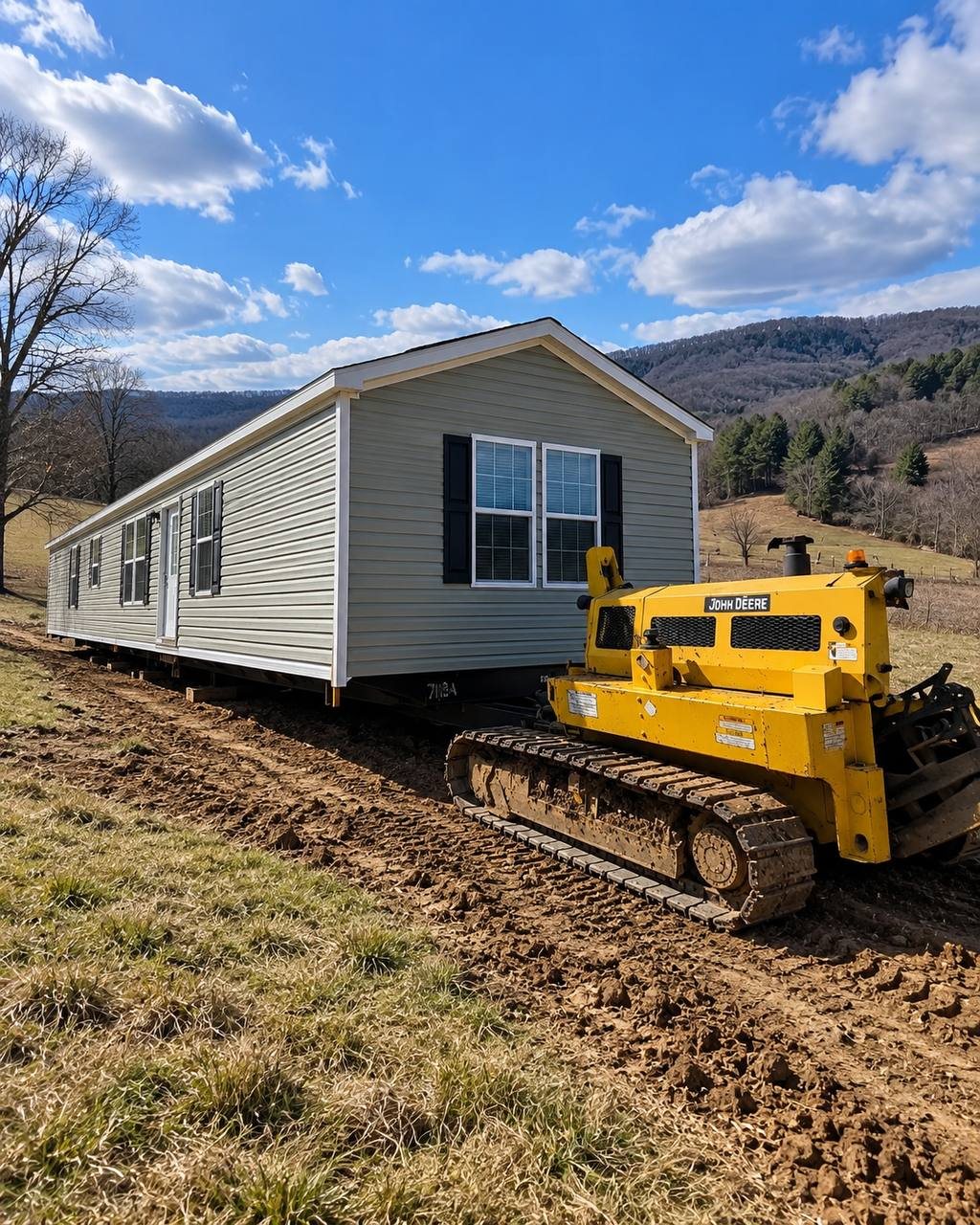
Distance matters, but it is not the only variable. A long single-wide haul on a sound chassis with utilities ready at both ends can come in under a local double-wide that needs axles rented, a site cleared at the destination, and a county inspector scheduled. The condition of the home's running gear, the accessibility of both lots (a gravel corridor off US-29 handles differently than a rutted drive into a back acre), and whether setup is bundled into the quote all move the final number. Any quote that does not walk both sites before committing a price is not a quote worth budgeting against.
The permit and tax steps in South Carolina
South Carolina does not allow a manufactured home to leave its site without two things secured: a tax-paid receipt from the county treasurer clearing any outstanding property taxes on the home, and a county moving permit. Both must be in hand before transport begins, and the sequence matters. A tax lien that surfaces during title transfer can unwind a sale weeks after the home has already moved. Confirming tax status first, before a closing, is how local moves get done without last-minute complications. For a full breakdown of what South Carolina requires at each step — title, tax receipt, county permit, and destination-county inspection — the South Carolina mobile home moving laws guide covers the complete permit matrix.
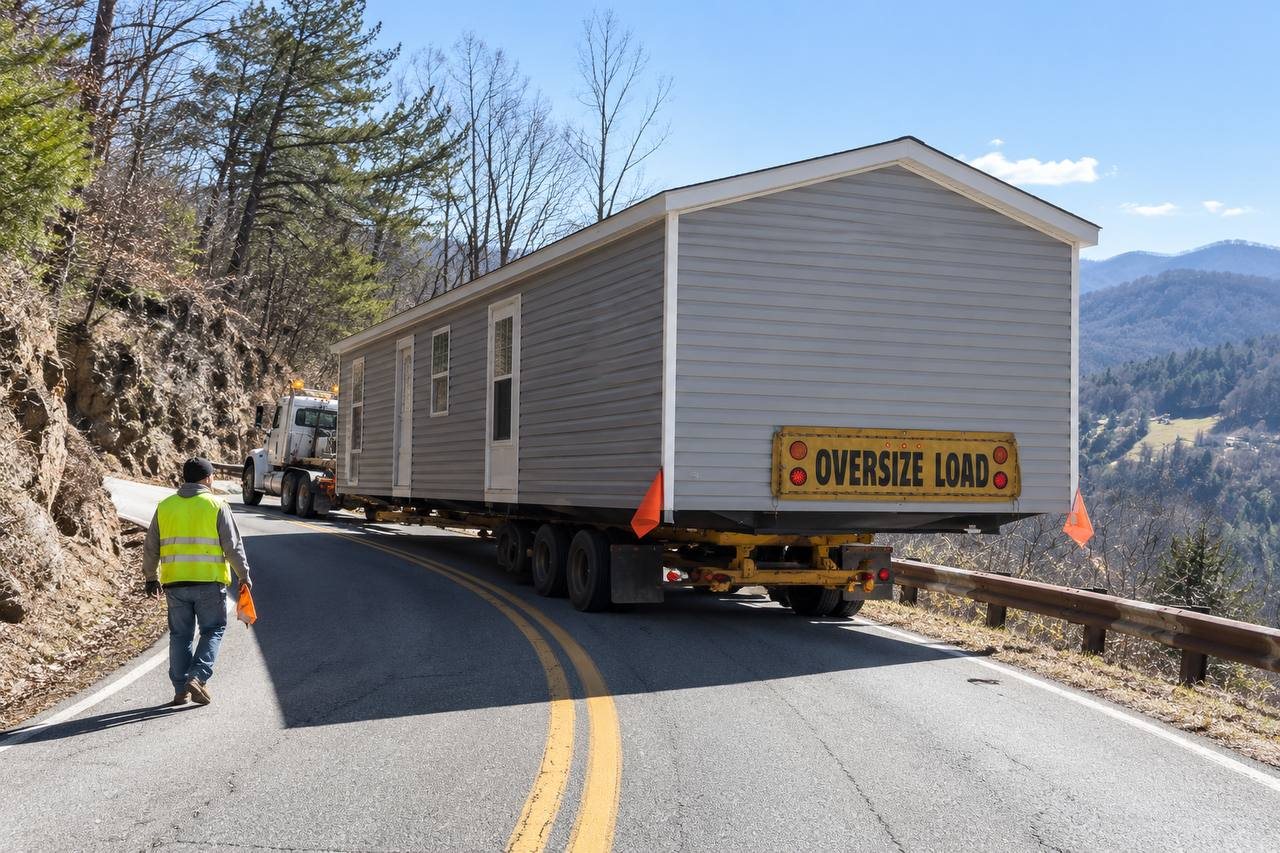
The transport itself requires oversize and overweight permits for travel on public roads; the moving company carries those with the load. At the destination, installation must be performed by a state-licensed manufactured home installer and then inspected before an occupancy permit is issued. The HUD Office of Manufactured Housing Programs sets the federal installation standards that South Carolina's inspection process is built on. Anchoring method, utility connections, and foundation type all have to meet those baseline requirements before the inspector signs off.
Wind zone, tie-downs, and reading the data plate
Anderson County is rated HUD Wind Zone I under 24 CFR 3280.305, the least demanding of the three federal wind exposure categories. Zone I anchoring requirements are lower than the coastal Zone II and Zone III standards, but they are still mandatory. The tie-down and pier system for a given home is specified in the installation manual keyed to the data plate affixed inside the home. A data plate that is missing, unreadable, or records a different wind zone than the destination site introduces a compliance question that can stall an inspection and delay occupancy.
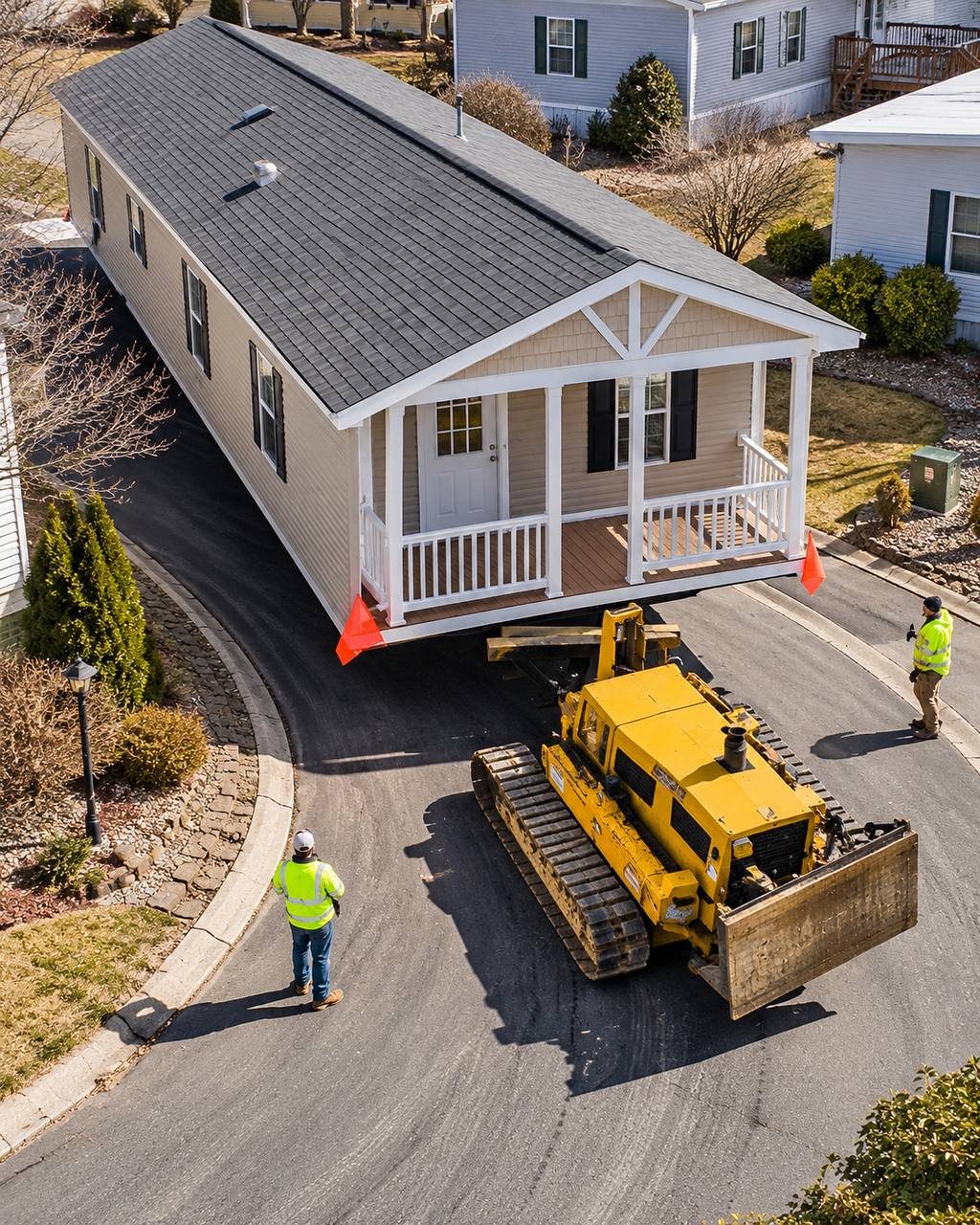
For the transport, the running gear (axles, hitches, and lights) must be roadworthy for the haul and then removed or stored after setup. Many Anderson County moves involve temporary axle rental if the home's original gear has been stripped. That line item is typically separate from base transport quotes, and confirming it in writing before scheduling a move date avoids the most common cost surprise. The mobile home transport overview explains what the full equipment and permit scope looks like for a standard haul in this part of South Carolina.
Storm history and what to inspect on older homes
Anderson County has been included in 18 federally declared disasters over 2005-2026, with recent events spanning Hurricanes in 2022, 2023, and 2024, a Tropical Storm in 2024, and a Winter Storm in 2026. Manufactured homes carry more storm exposure than site-built structures, and a home that has been through several of these events without an anchoring inspection may be holding chassis or floor-system damage that is not visible until the home is under tow. Before moving any home with recent storm history, a walk-through covering chassis condition, blocking integrity, and data-plate legibility is worth scheduling before the transport date, not after a problem surfaces mid-haul.
For homes built before June 1976, when the federal HUD Code first took effect, there is a further layer of diligence. Pre-HUD Code homes can contain asbestos-containing materials in floor tile, roofing felt, and pipe insulation, as well as lead paint in interior and exterior finishes. The EPA sets the current federal requirements for testing and handling both hazards during any work, including relocation, that disturbs those materials. A hazmat assessment scheduled before the move date costs far less than a remediation that surfaces after the home is already on a new site.
For owners still comparing options or working through what a move in Anderson County actually involves, the mobile home movers near me page covers how to evaluate a quote and what to ask before signing.