Buncombe County's mobile home footprint — and why Candler is a busy lane
Census ACS 2019–2023 estimates put Buncombe County's mobile home stock at roughly 16,047 units, about 12.1% of all housing in the county. That share is high for a mountain county that also contains a mid-sized city, and it means mobile home moves are a regular fact of life on county roads — not a specialty transaction. Candler sits at the western end of the county along the I-26 and Smoky Park Highway (US 19/23) corridor, where lots run wider and terrain sits lower than the ridge neighborhoods closer to Asheville proper. That geography makes Candler one of the more active lanes for mobile home transport in western Buncombe.
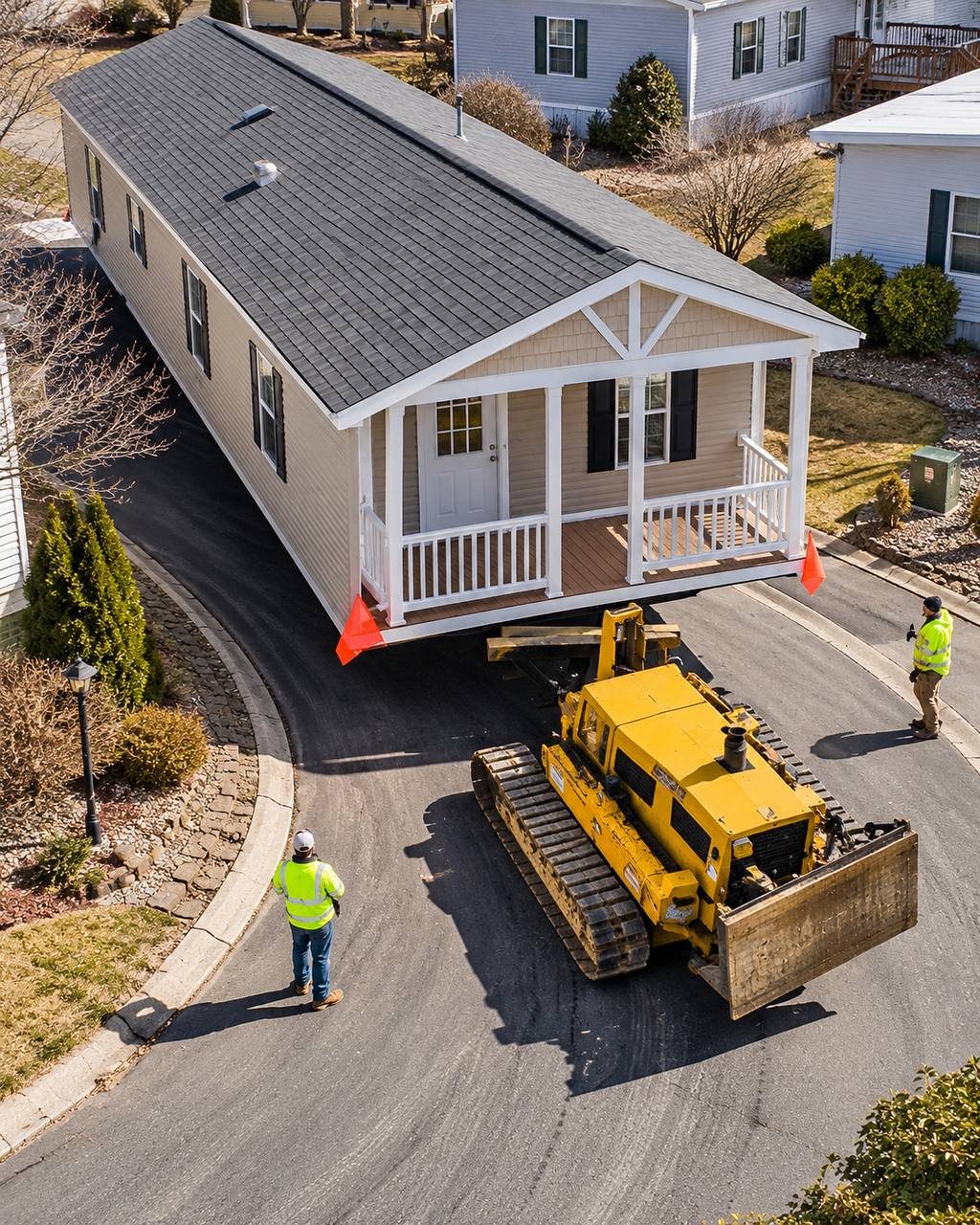
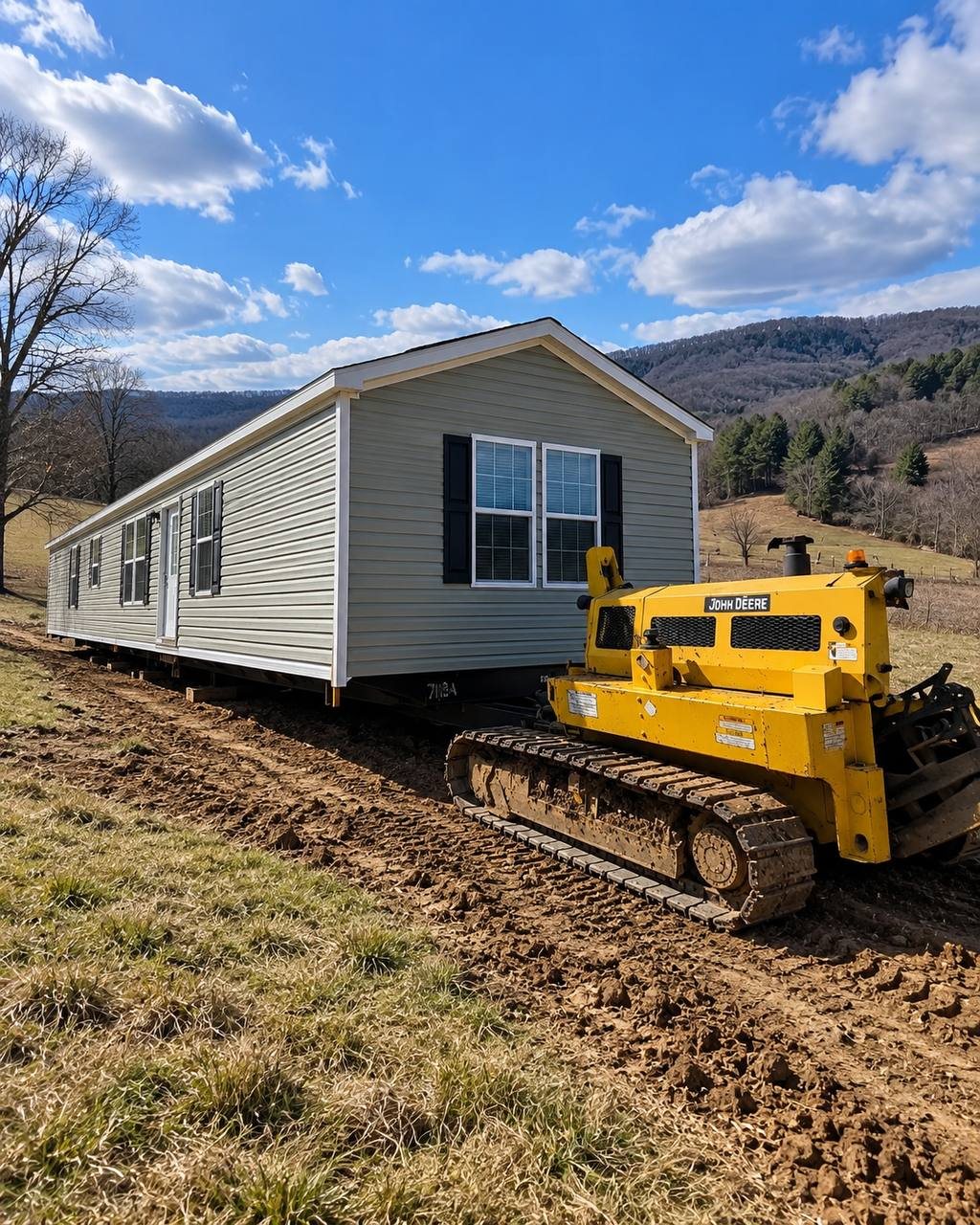
Moves happen for many reasons: selling a parcel while keeping the home, repositioning a unit onto a family property, upgrading to a permanent foundation, or pulling a home that has been sitting unused. In each case the sequence is the same — permits first, then the haul, then a setup inspection before utilities can reconnect. The transport process overview walks through each step in order, from the first site visit to the county inspector's sign-off.
What a Candler move costs, by scope
The base haul price depends on haul distance, home width, and how difficult the road access is at each end. Setup at the destination — blocking, pier placement, leveling, and tie-down installation — is almost always quoted separately and priced by lot condition. The table below covers move-only ranges for work in and around Candler; site prep and utility work are add-ons that vary by property.
| Move type | Typical range |
|---|---|
| Single-wide, local haul (under 20 miles) | $3,000–$5,000 |
| Single-wide, longer haul or difficult access | $5,500–$8,000 |
| Double-wide, local haul | $7,000–$10,500 |
| Double-wide, longer haul or difficult access | $11,000–$15,000 |
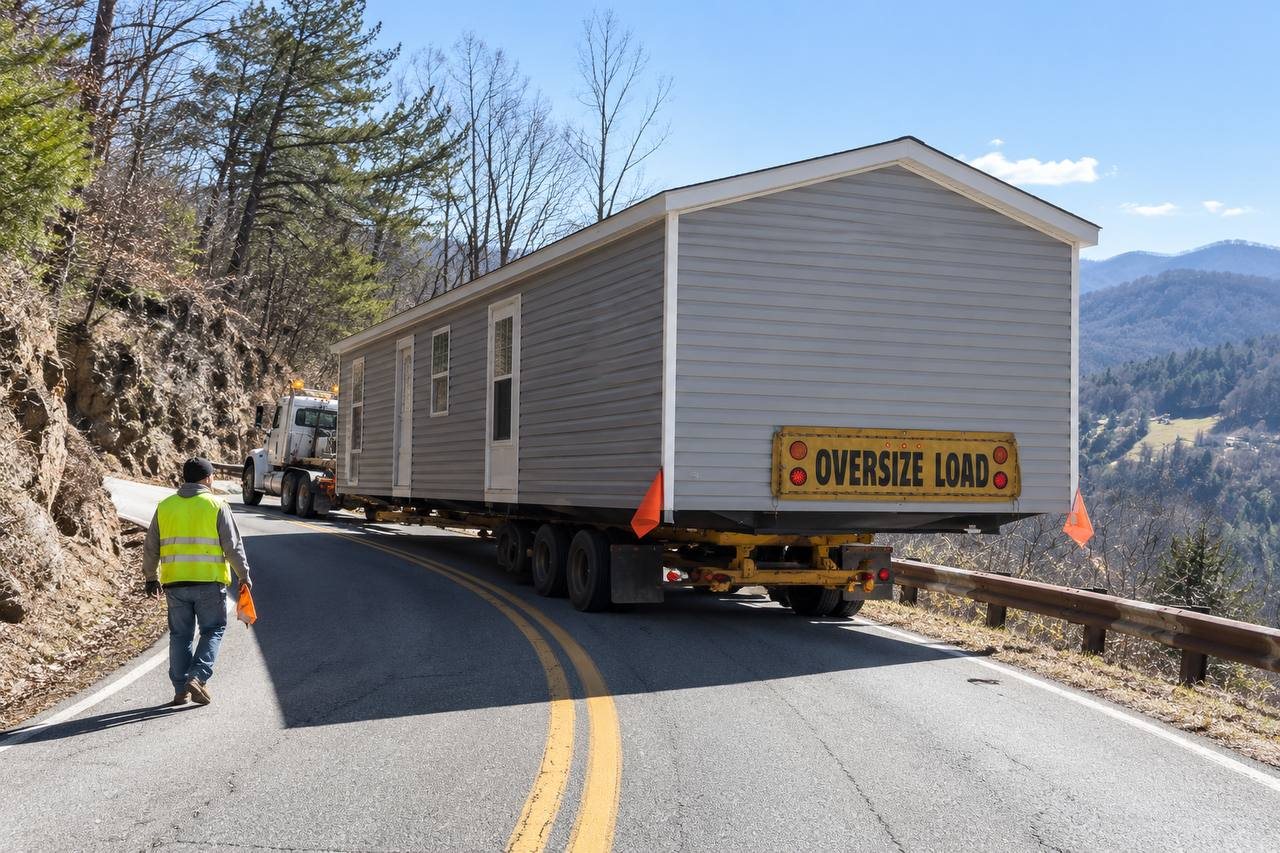
Road difficulty is the biggest swing factor in Buncombe County. A haul on a clear state-maintained road costs less than one that requires a pilot car, a utility line raise, or a driveway that needs trimming before the rig can clear the approach. Get a site assessment at both ends before accepting any number — a quote that comes without one is based on assumptions. The local mover guide covers what a thorough assessment should include.
The two permits a Buncombe County move requires
Two permits must be in hand before a licensed mover can legally pull a home in North Carolina. The first is the NCDOT oversize/overweight transport permit, governed by Publication MH-2. It specifies the approved haul route, load dimensions, weight limits, and any time-of-day restrictions. Single-wides typically clear most Buncombe County roads without complications; double-wides may require a route review if the haul passes through Asheville or crosses a lower-weight bridge on a county road.
The second is the tax-paid moving permit required under NCGS Chapter 105, Article 18, which confirms that property taxes on the home are current before it changes location. A home with a tax lien cannot legally be relocated, and missing either permit can result in the move being stopped on the road. The NC moving laws guide lays out the full permit sequence — origin, haul, and destination — in one place.
Installation standards and who certifies the work
Once the home arrives at the new site, it must be anchored to federal standards based on the county's wind zone. Buncombe County falls in HUD Wind Zone I under 24 CFR 3280.305. Zone I is the lowest of three federal tiers, but it still requires a certified tie-down system — over-roof straps and frame anchors both — before a county inspector will sign off on the setup. This is a condition of occupancy in North Carolina, not an optional line item.
The contractor handling blocking, leveling, and tie-down installation must hold a current installer license from the NC Manufactured Housing Board (NCDOI). Verify the license number before work begins; NCDOI's online lookup confirms active status in under a minute. The setup permit is issued by the Buncombe County building department and must be pulled before the home is placed on the lot — not after the crew has already set it.
One additional flag for older homes: units manufactured before June 1976 predate the federal HUD Code entirely. Structural integrity needs to be evaluated before hauling. If the home was built before 1978, federal EPA rules on lead paint and asbestos may apply to any materials disturbed during the move or setup.
Road access and site prep in this terrain
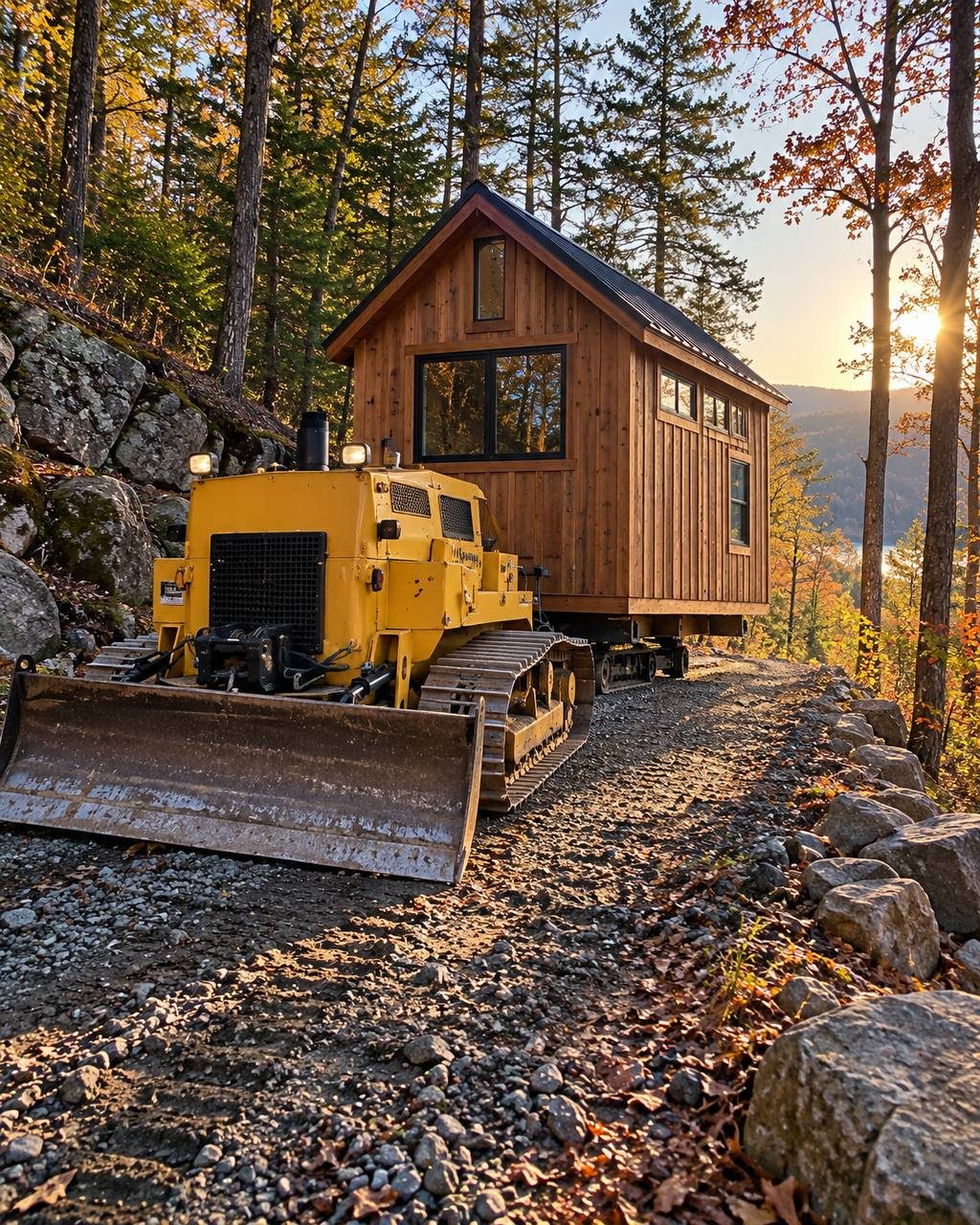
Candler's main arteries — Smoky Park Highway and the I-26 corridor — handle wide loads without issue. The complication is the last stretch: county roads off Newfound Road, Old Leicester Highway, and Pisgah Highway narrow quickly once they leave state-maintained pavement, and some driveways into older mobile home parks on these roads require turns that a 60- or 80-foot rig cannot make without clearing the approach first. A site assessment at the destination before the move is scheduled is what separates a clean job from one that stops at the lot entrance.
Storm history adds a second variable. Buncombe County has seen 19 federally declared disasters spanning 1973-2026, including a winter storm in 2026, a tropical storm in 2024, and hurricanes in 2023, 2021, and 2020. Road shoulders in rural sections of western Buncombe are soft in places, and some culverts on lower-traffic county roads have not been restored to pre-event standard. A mover familiar with these roads will flag haul route sections that need a second look before commit day.