Nearly one in five Fairview homes sits on a frame
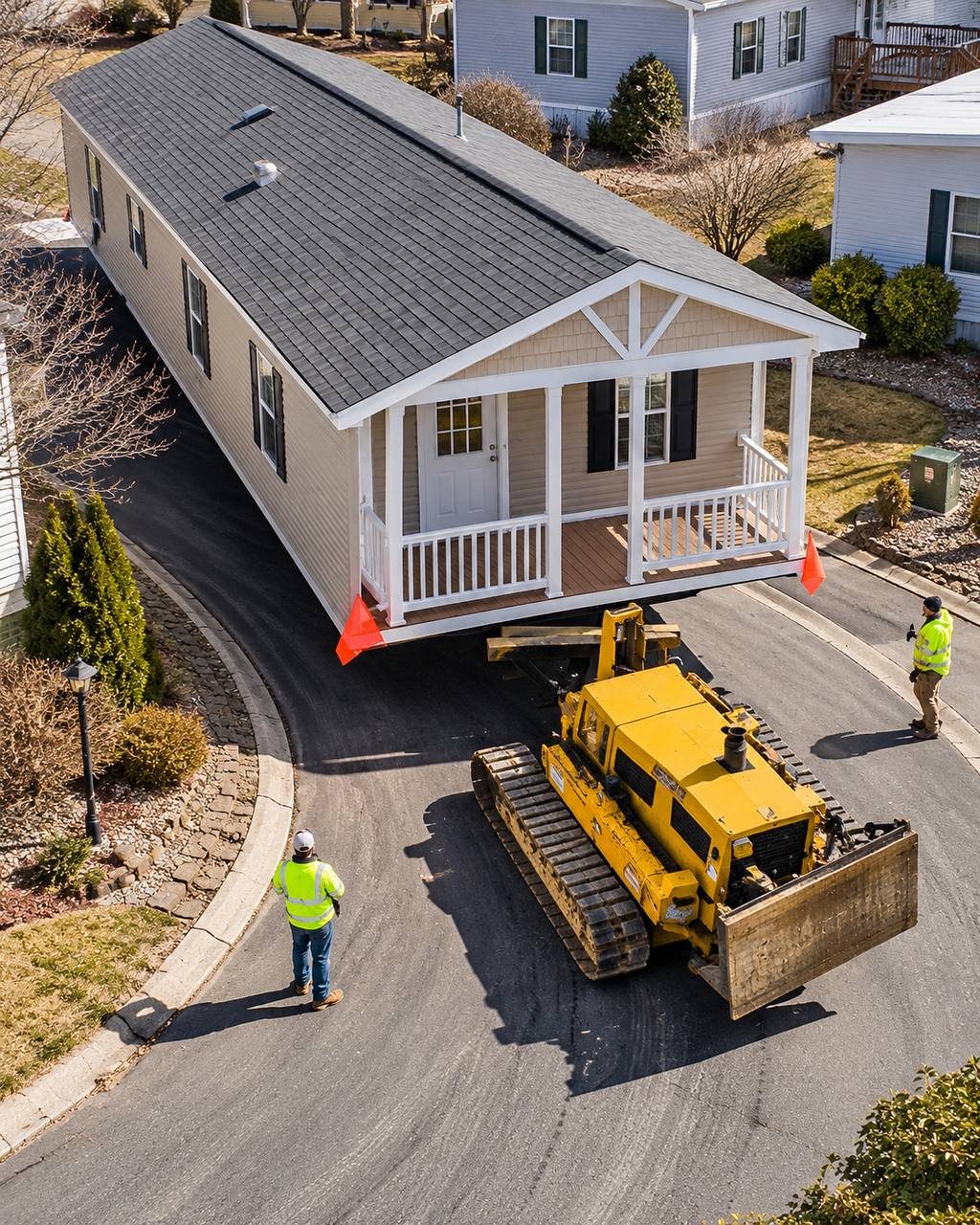
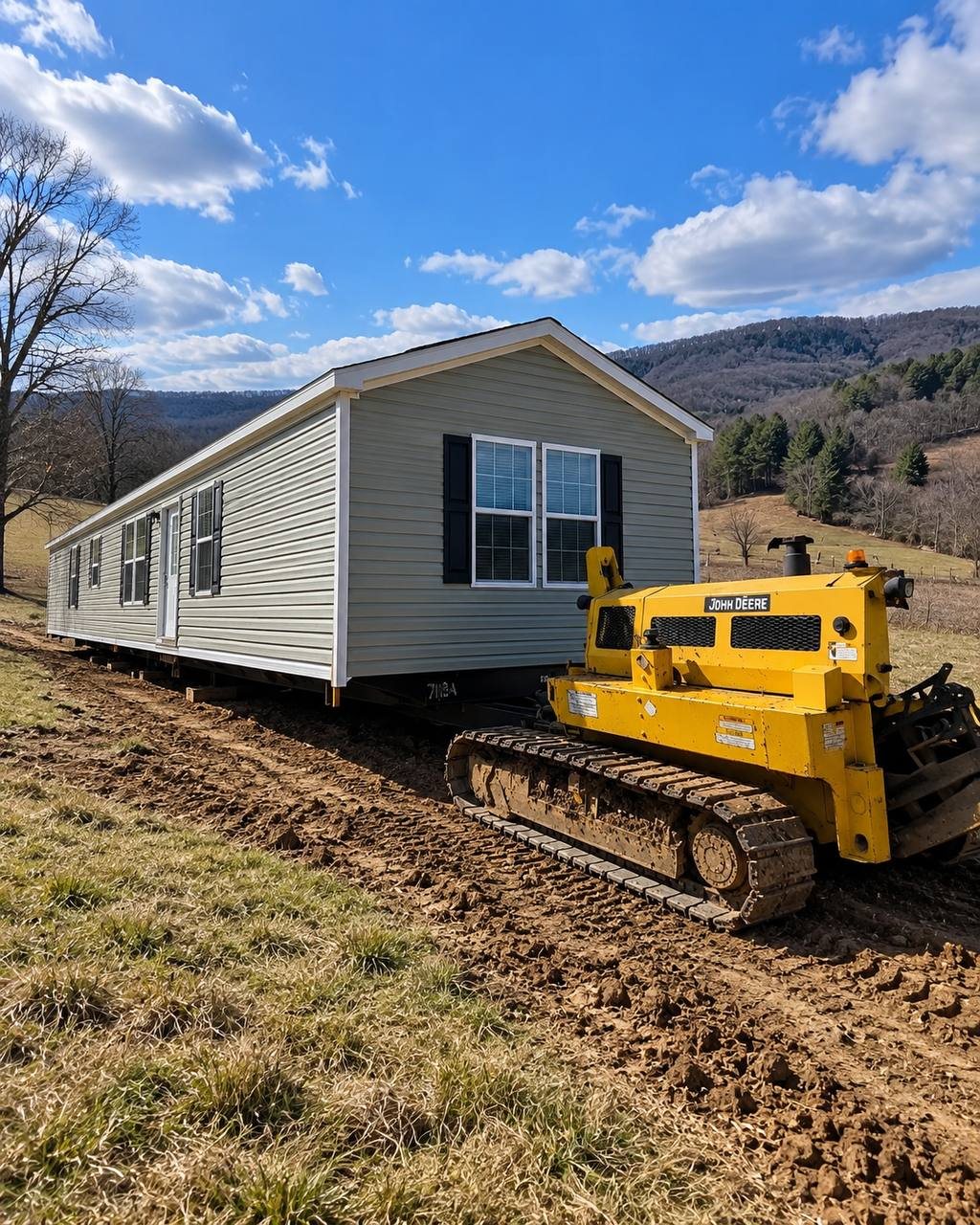
Fairview stretches east of downtown Asheville into terrain where Buncombe County's ridges crowd the road corridors and lot access is earned, not assumed. Census data (ACS 2019–2023) puts mobile and manufactured homes at roughly 18 percent of Fairview's housing stock — nearly double the 12 percent countywide share. With about 213 manufactured units in this community, these homes represent a substantial and active housing segment with real moving demand driven by park changes, estate transfers, lot upgrades, and sale conditions.
Moving a home in this area is not the same as moving one across a flat rural county. Eastern Buncombe's two-lane roads, driveway grades set into hillsides, and lot conditions that shift with storm seasons all factor into how a move is actually quoted and executed. A rate that looks right for a flatland county may not account for what the road into your hollow actually requires.
The mobile home transport overview covers the full move arc from permit pull to final pad setup. This page focuses on the Fairview-specific variables: what the haul costs, which permits are required, what road access looks like, and what anchoring rules apply once the home reaches its new site.
What a move costs on this terrain
Around Fairview, a single-wide move typically runs $3,000 to $8,000 and a double-wide $7,000 to $15,000. The range is wide because the price drivers vary considerably: distance, lot access, whether transport-only or full setup is included, and what the specific route requires. A Fairview-to-Fairview move on a clear road and a level pad is a different job than a haul to a steep Cane Creek Road lot that needs a full foundation and utility reconnects.
The table below shows how scope changes the typical range. These are not quotes — site conditions, permit count, and what is bundled will shift any specific job.
| Move type | Typical range | Key price drivers |
|---|---|---|
| Single-wide, local (under 30 miles) | $3,000 – $5,500 | Road access, permit fees, setup included or excluded |
| Single-wide, longer haul (30+ miles) | $5,000 – $8,000 | Mileage, escort requirements, lot prep |
| Double-wide, local (under 30 miles) | $7,000 – $11,000 | Section count, overhead clearances, driveway grade |
| Double-wide, longer haul (30+ miles) | $10,000 – $15,000 | Escort vehicles, route permitting, engineering |
| Transport only (no setup) | Lower end of range | Full setup adds foundation, skirting, utility reconnects |
A complete quote should call out transport, permits, foundation work, and utility reconnects as separate line items. A number that bundles everything without breaking it out is hard to compare against anything else. The local movers page walks through how to collect and compare site-specific quotes in Buncombe County.
The permit stack before the truck moves
Two separate permit threads must close before a manufactured home can legally leave its existing lot in North Carolina.
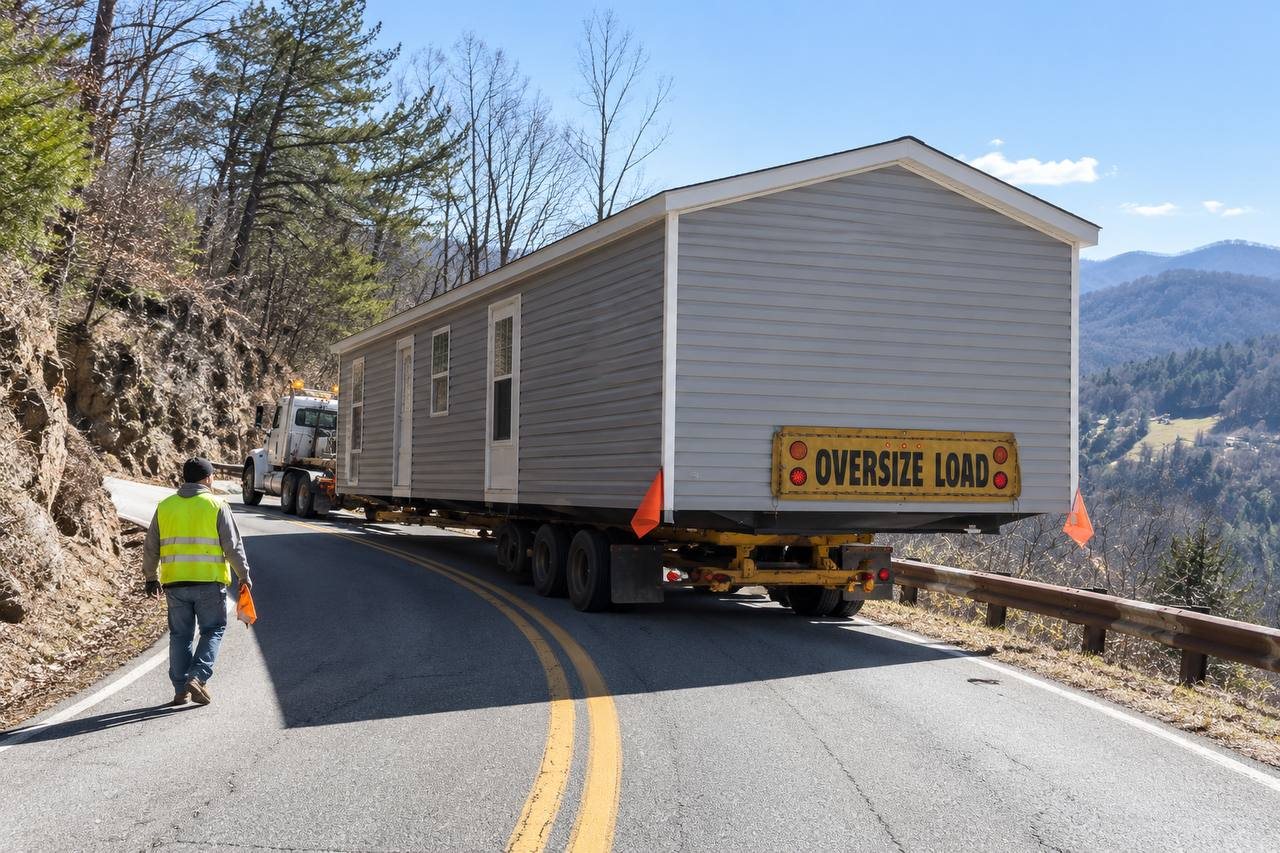
The transport authorization comes from NCDOT. Any mobile or manufactured home moved on NC roads is an oversize load, and the mover must obtain the appropriate permit before the haul. NCDOT Publication MH-2 covers the mobile and modular home permit process in full: dimensions, route approval, travel-time restrictions, and when escort vehicles are required. Standard-width single-wides typically move without complications; double-wides that exceed width thresholds or travel certain state corridors may require pilot cars and restricted travel windows.
The second requirement is a tax-paid moving permit. Under NCGS Chapter 105, Article 18, a manufactured home cannot be moved until property taxes are certified as current. In Buncombe County, that means a tax certification from the county tax office before moving day. This step is easy to overlook and can delay a scheduled haul if not handled in advance.
The contractor installing the home on its new site must hold a license under the NC Manufactured Housing Board (NCDOI). Setup work by an unlicensed installer can void the manufacturer's installation requirements and block the certificate of occupancy. Ask for the license number and verify it before any contract is signed. The NC mobile home moving laws page maps the full state permit and licensing framework in one reference.
Road access and site conditions east of Asheville
The roads serving Fairview and the eastern Buncombe hollows — Fairview Road, Cane Creek Road, the routes off US-74A — are largely two-lane with limited shoulder and varying overhead clearance. Oversize loads on these corridors require careful route scouting, and some lots sit behind approaches that rule out certain equipment or require driveway work before the haul can proceed.
Buncombe County's storm record shapes these conditions directly. The county has recorded 19 federally declared disaster events spanning 1973-2026, including Winter Storm (2026), Tropical Storm (2024), and hurricanes in 2023, 2021, and 2020. Storm events leave road damage, altered drainage channels, and slope instability that can persist well after roads reopen. Confirming haul route conditions with NCDOT before scheduling is a practical step, not a formality, for any route that passed through an affected area.
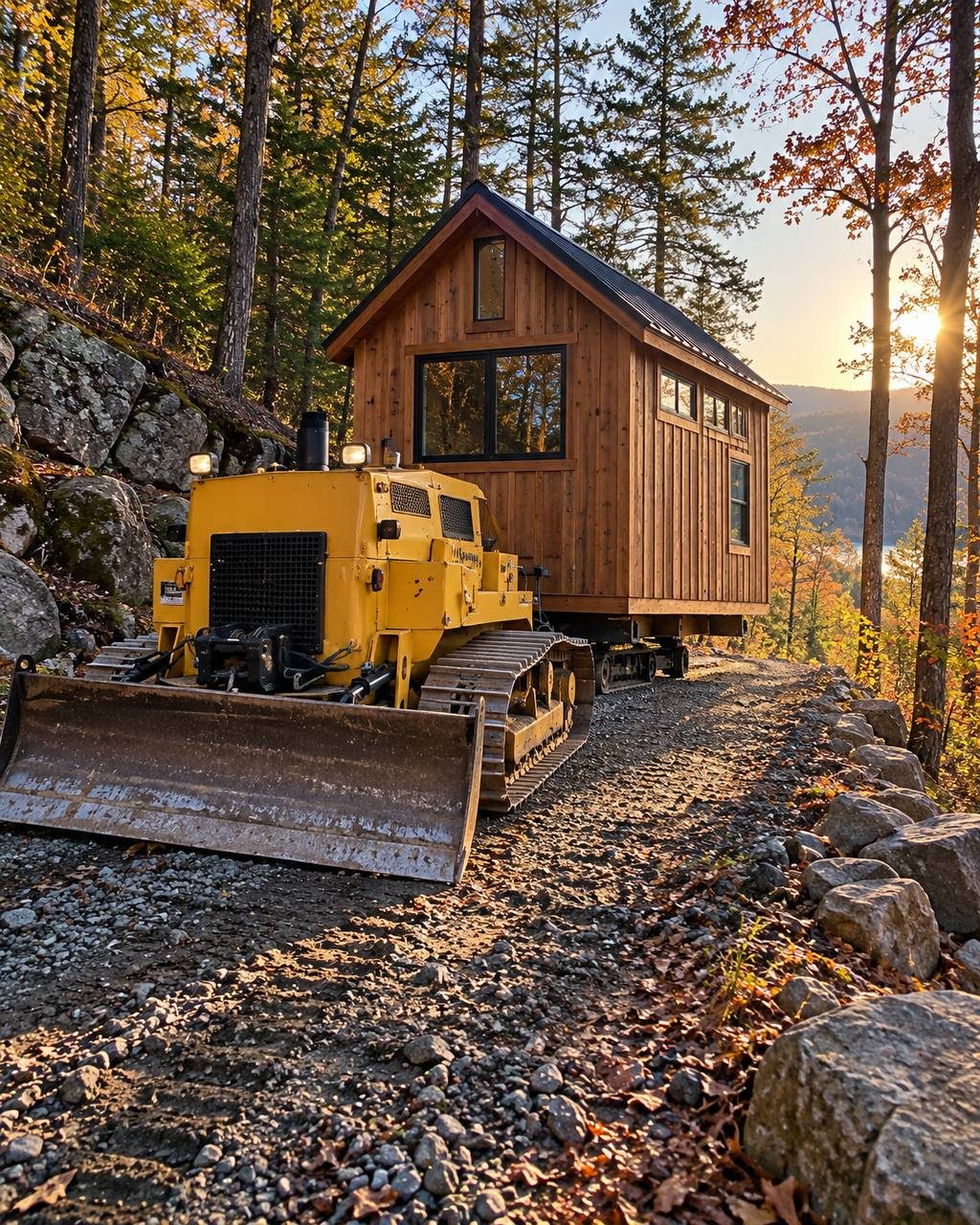
Lot conditions matter as much as road conditions. A soft, unlevel, or poorly drained site adds cost to the setup end of the job regardless of how cleanly the haul went. Getting the mover out for a site inspection before locking in a move date is standard practice on Buncombe terrain — it is also the point where driveway grade problems, overhead obstructions, and pad drainage issues get caught before they become day-of complications.
Anchoring, setup, and what the inspection covers
Buncombe County sits in HUD Wind Zone I under 24 CFR 3280.305, the federal baseline wind designation for manufactured housing. That designation sets the minimum tie-down and anchor specifications the installer must meet: the number and spacing of frame anchors, over-the-top straps, and the soil anchors that hold them. These requirements exist in the HUD Code and are enforced through the county setup inspection, which must pass before the home can be occupied.
Wind Zone I is not a lenient standard in a county with Buncombe County's documented storm history. Installers who work regularly here understand the difference between meeting the inspection minimum and building a setup that holds through a serious weather year. The HUD Office of Manufactured Housing Programs publishes the installation standards that govern this work; reviewing them before the contractor arrives is a practical way to understand what a proper setup actually involves.
For homes built before 1976, the move may surface additional considerations. Pre-HUD Code homes carry no federal installation standard, and their structural condition warrants honest evaluation before a haul is booked. Older homes may also contain materials that trigger EPA asbestos and lead paint protocols before any work begins. This is not common on typical Fairview stock, but any mover working this area should be prepared to assess it.