Mills River's manufactured housing stock, by the numbers
Mills River is a small incorporated town in Henderson County with a manufactured housing footprint that is easy to underestimate. Census ACS estimates put about 549 mobile and manufactured homes inside its boundaries, roughly 17.6 percent of the town's total housing stock. Across Henderson County the number climbs to around 8,446 — about 14.7 percent of all homes in the county. This is not marginal or fringe housing; it is a defining share of where people actually live in this part of western NC.
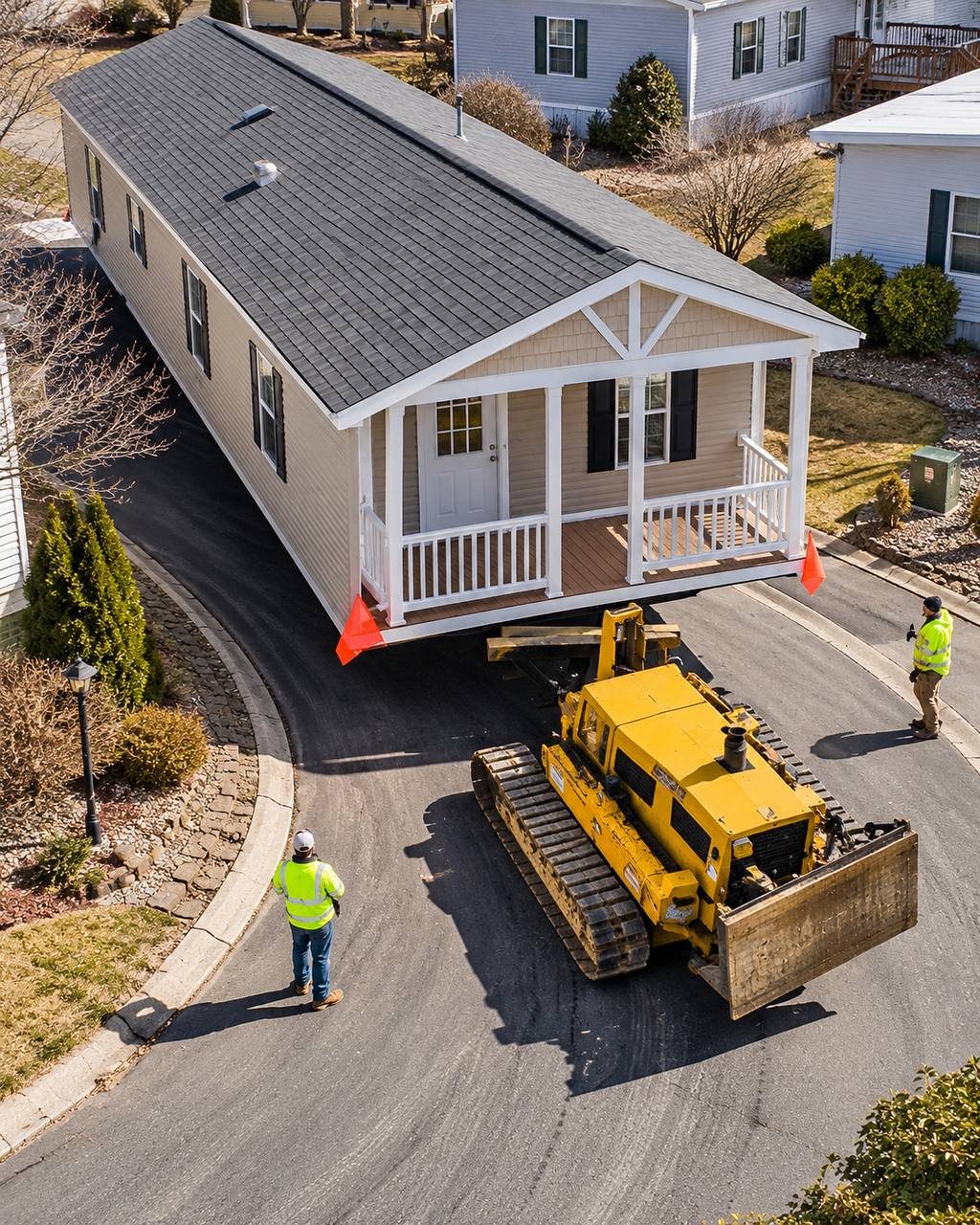
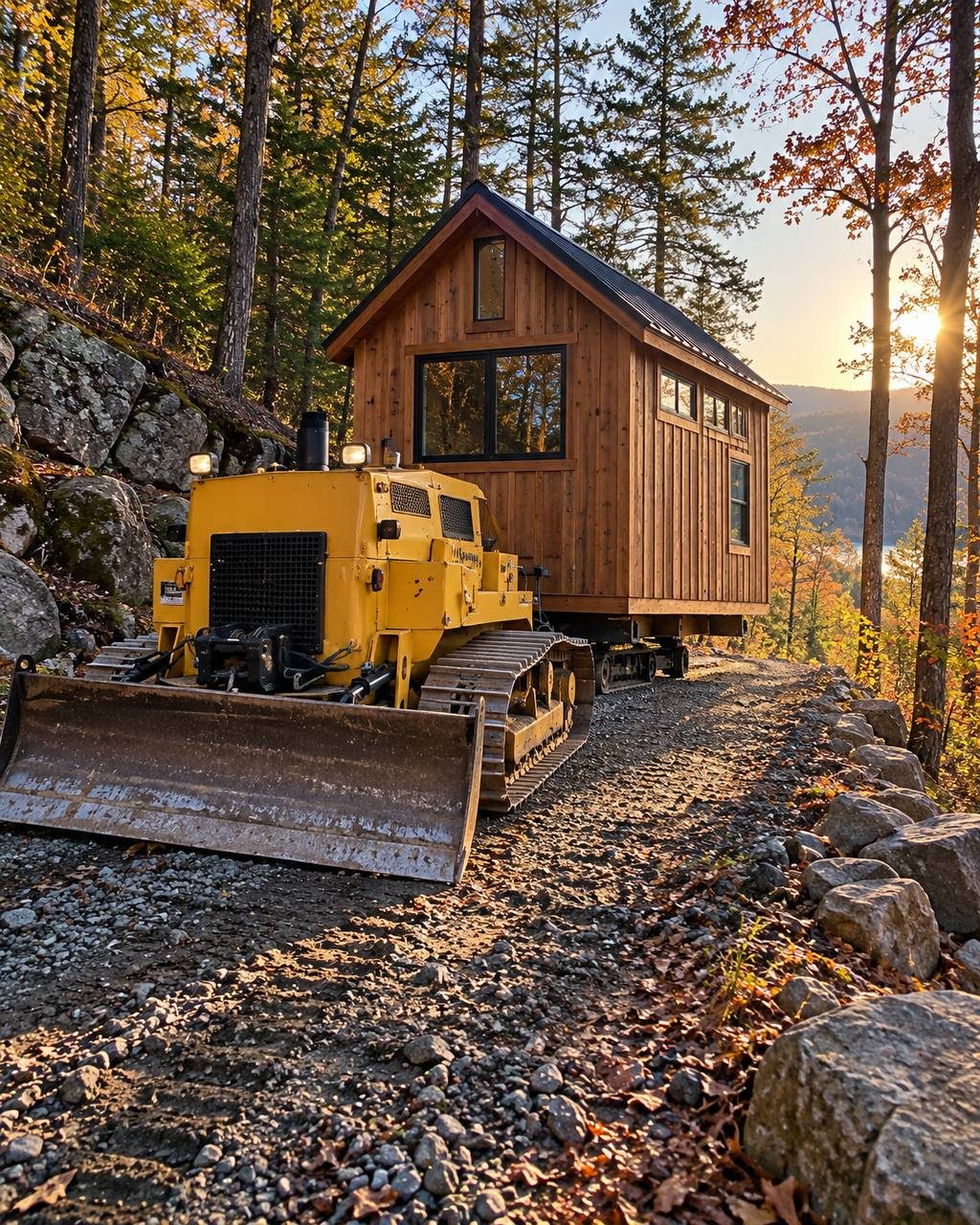
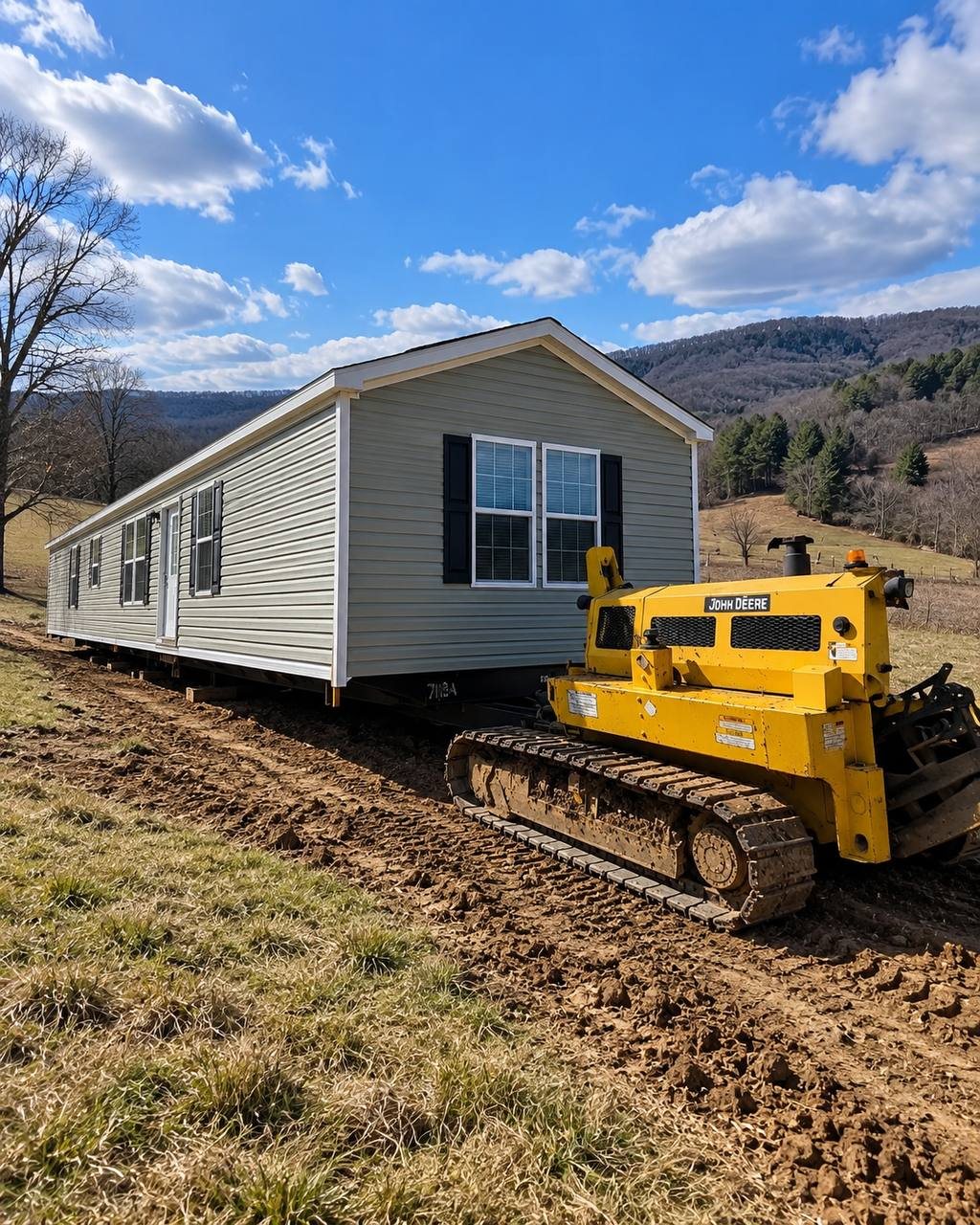
Those homes move. Owners upgrade to better lots, estates settle and heirs relocate a home to their own land, homes exit flood-prone bottomland along the French Broad and Mills River corridors, and some simply outlive the land lease they were sitting on. The terrain shapes every job. Mills River straddles the NC-280 corridor through flat agricultural bottomland near Asheville Regional Airport and rises toward the slopes of Pisgah National Forest. A single-wide on a flat lot with direct highway access is one kind of job; a double-wide up a long private drive on the ridge side of Mills River Road is another. Both are routine for an experienced crew — the costs just land at different places in the range.
What a move costs around Mills River
Around Mills River a single-wide move typically runs $3,000 to $8,000 and a double-wide $7,000 to $15,000. The table below breaks that range by job scope. The main price movers are haul distance, lot access at both ends, and whether blocking, leveling, and tie-downs are bundled into the quote or billed separately.
| Move scope | Typical range | Main cost drivers |
|---|---|---|
| Single-wide, short local haul, flat site | $3,000–$5,500 | Limited distance, open lot access, minimal site prep |
| Single-wide, longer haul or slope destination | $5,500–$8,000 | Mileage, driveway grade, blocking and leveling added |
| Double-wide, local haul, flat site | $7,000–$11,000 | Two-section transport, pad width, larger crew |
| Double-wide, longer haul or site prep required | $11,000–$15,000 | Distance, terrain, additional equipment or escort |
| Blocking and leveling only (no transport) | $800–$2,500 | Home already on-site; licensed installer required |
| Tie-down and anchoring system (Wind Zone I) | $600–$1,800 | Anchor count, soil conditions, installer access |
Blocking, leveling, and anchoring are separate line items from the haul in most quotes, and the licensed installer who handles setup is typically a different contractor from the hauler. Ask for a written scope that separates transport from setup before you commit. The mobile home transport overview explains what happens between the home leaving its original site and being placed on its new foundation.
The permit stack before any home leaves its lot
Moving a manufactured home in North Carolina runs through at least three separate administrative tracks. Missing any one of them can delay the move or create title problems at the destination.
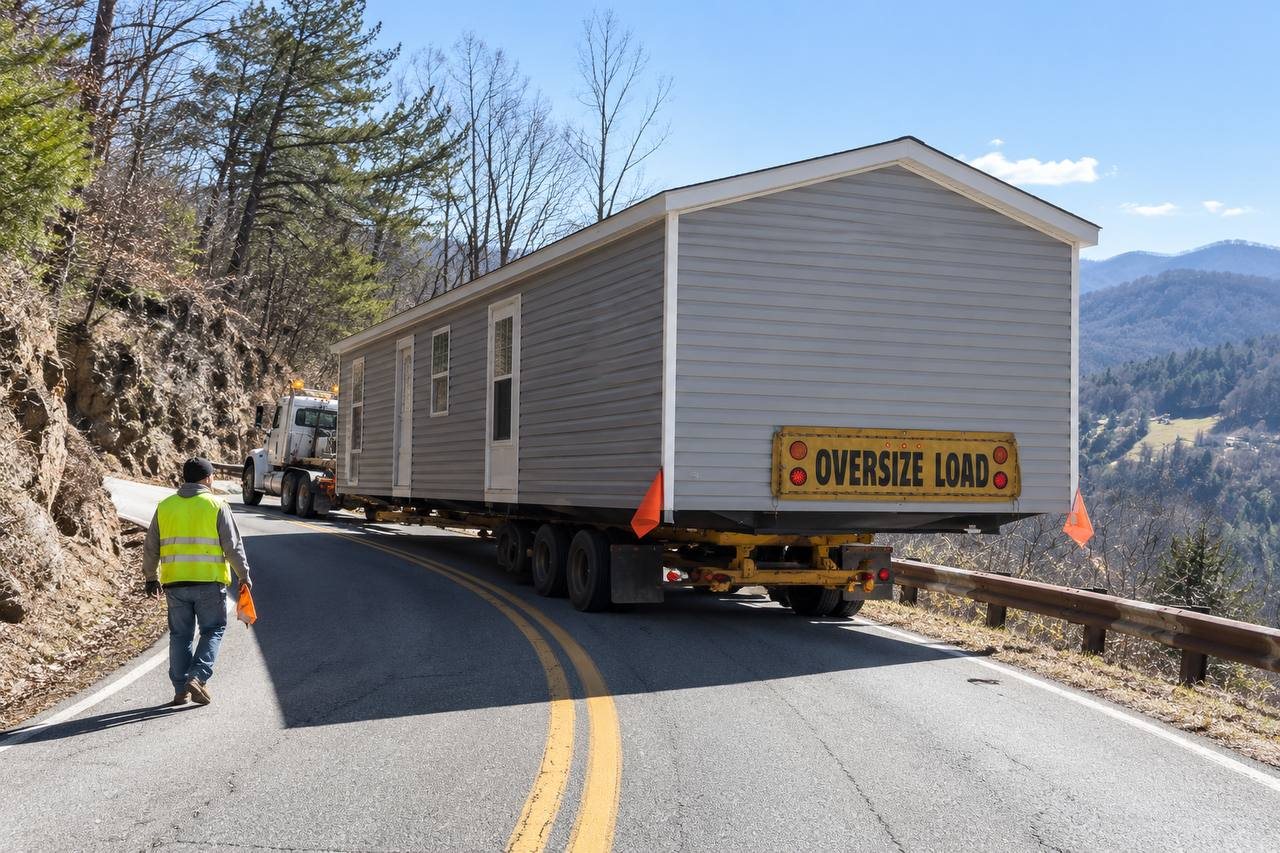
The transport side starts with the NC Department of Transportation. Any manufactured home towed on a state road is an oversize load, and the requirements specific to mobile and modular homes — width limits, route windows, escort rules, and timing restrictions — are published in NCDOT Publication MH-2 at connect.ncdot.gov. The hauler typically pulls this permit, but confirm it is in hand before move day.
The setup at the destination requires a licensed manufactured home installer. In North Carolina that license flows through the NC Manufactured Housing Board, a division of the NC Department of Insurance. The installer is responsible for blocking, leveling, anchoring, and signing off on the post-setup inspection — they are not interchangeable with the hauler. Henderson County runs its own setup inspection before utilities can reconnect.
Before the home leaves its current lot, the owner typically needs a tax-paid moving permit under NCGS Chapter 105, Article 18. This releases the county's tax lien on the home as real property. Skipping it does not stop the truck, but it can freeze the title transfer at the destination. The North Carolina mobile home moving laws page walks through each step in sequence.
Wind zone, storm history, and what the setup code requires
Henderson County falls in HUD Wind Zone I under 24 CFR 3280.305 — the baseline classification for most of the NC interior. Anchoring and tie-down systems installed here must meet Zone I load requirements; the stricter Zone II and Zone III standards that apply to coastal and higher-exposure counties are not required, but Zone I minimums are mandatory on every setup. The HUD Code requirements for Zone I pier spacing, anchoring, and support systems are published by the US Department of Housing and Urban Development.
Zone I does not mean low weather exposure. Henderson County has had 16 federally declared disaster events over 1978-2026, a span that includes Hurricanes in 2023, 2020, and 2019, a Tropical Storm in 2024, and a Winter Storm in 2026. Homes on flat bottomland near the French Broad River and the Mills River corridor have seen repeated flooding in that period. Lot selection and drainage matter as much as the anchoring spec when choosing a destination site.
For manufactured homes built before June 1976 — before the federal HUD Code took effect — any disturbance or demolition work on original materials can trigger EPA regulations on asbestos and lead-based paint. A pre-1976 home being moved and fully reset, rather than just transported, may need a hazmat assessment before work starts.
Getting the move ready: what to have in order first
Three things move a Henderson County booking from call to scheduled: clear title, a ready lot, and a confirmed route. A lien or open title dispute surfaces during the tax-paid moving permit process and stops everything. A destination lot that is too narrow, too soft, or without finished drive access delays setup after the truck arrives. A haul route with low bridge clearances or overhead utility lines that a 14-foot-wide home cannot clear requires advance planning — the NC-280 corridor handles most Henderson County oversize moves, but not every origin or destination connects to it directly.
Timing is worth understanding realistically. NCDOT oversize permits for standard routes typically process in a day or two. The county setup inspection at the destination adds its own scheduling lead time. A straightforward Mills River single-wide from first call to truck on the road is typically one to three weeks, assuming title and lot are clear. A double-wide with site prep or a non-standard route takes longer. Use mobile home movers near me to check availability for your specific origin and destination, or mobile home transport for a full picture of what move day involves.