More than one in six Pickens County homes is manufactured
The Census ACS 2019–2023 five-year estimates put about 10,173 manufactured homes in Pickens County — 17.6 percent of the county's entire housing stock. Easley itself accounts for roughly 570 of those, about 5 percent of city homes. That share runs well above the South Carolina statewide average and means manufactured home relocations are a regular part of the local housing market, not a specialty called in once a decade.
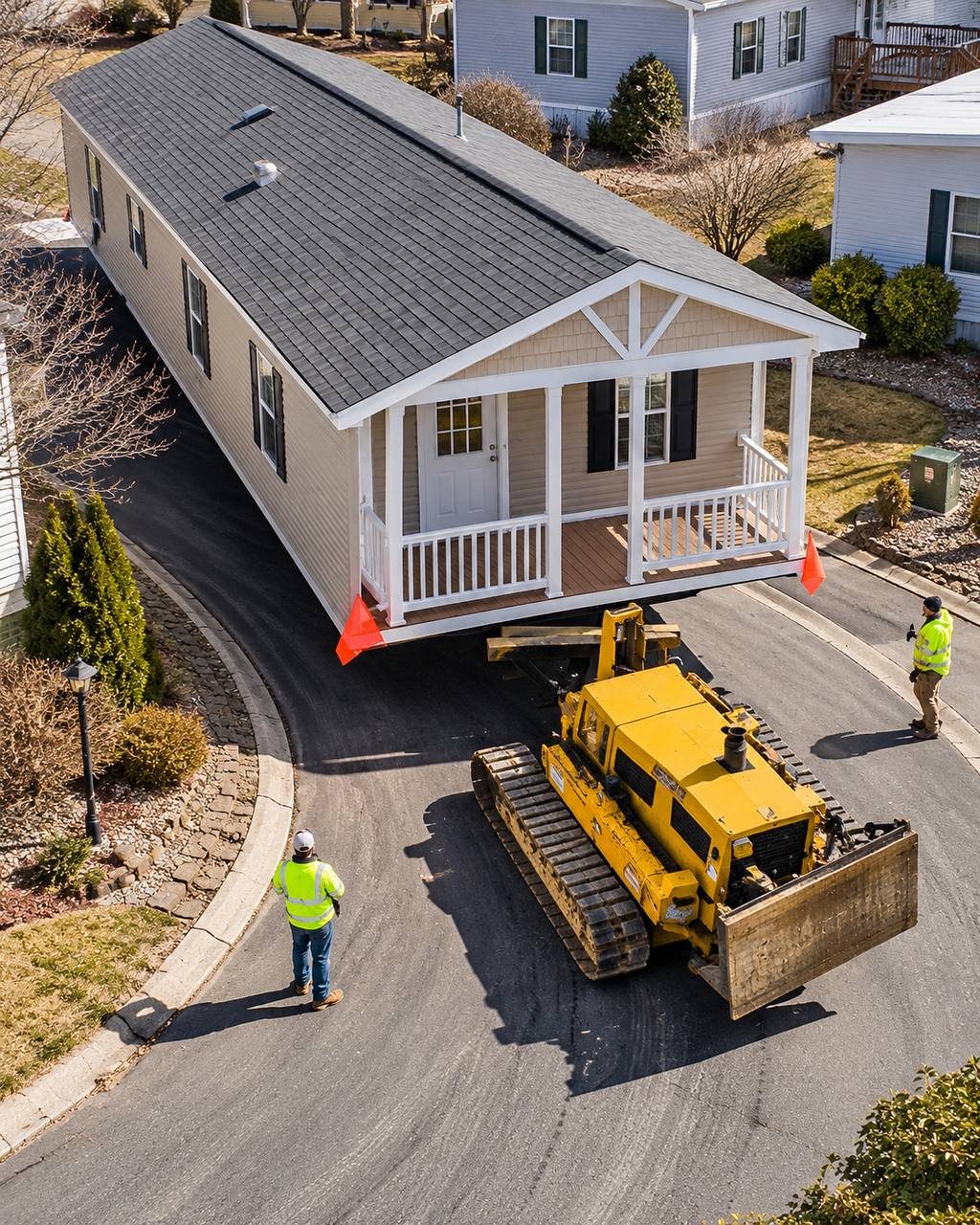
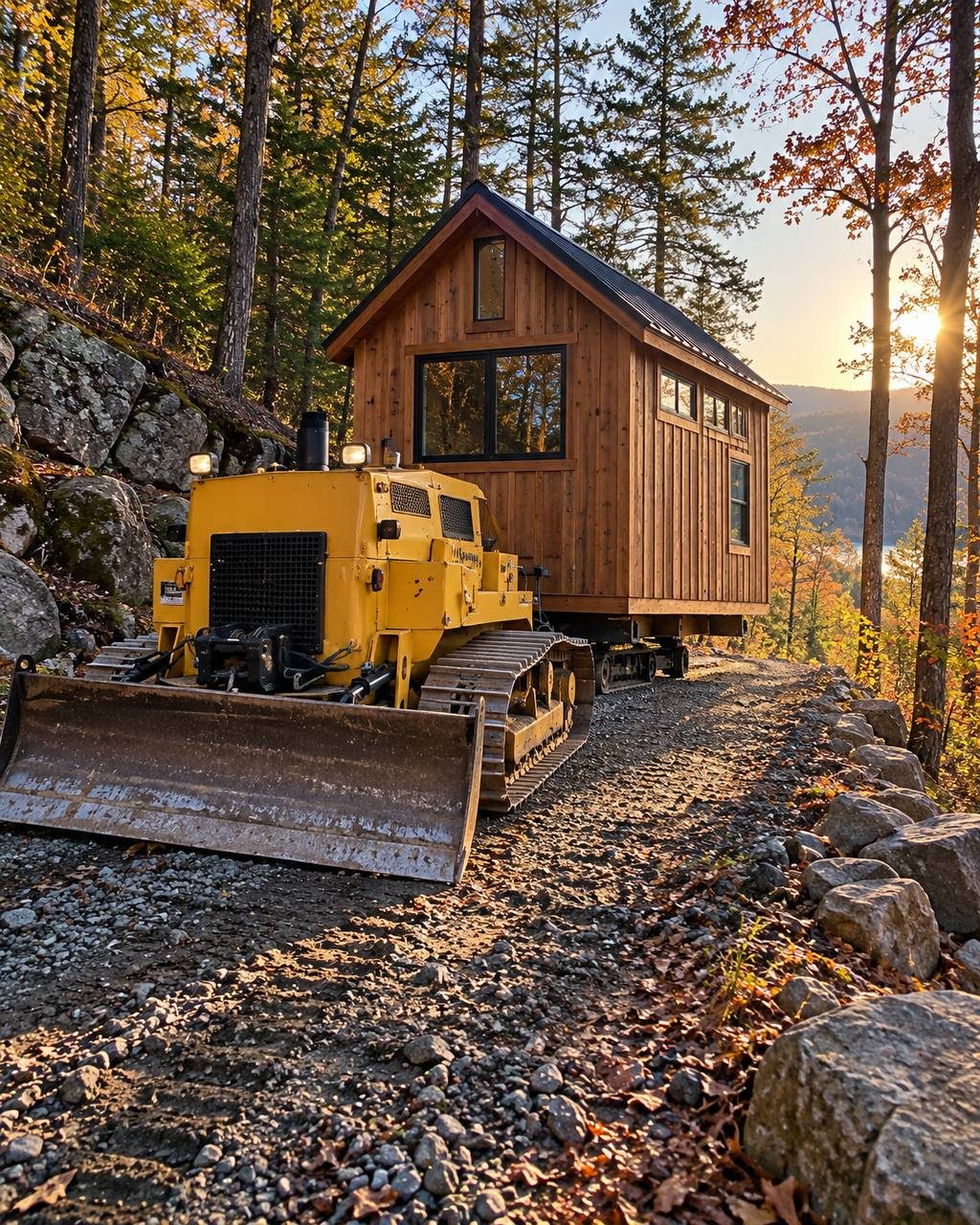
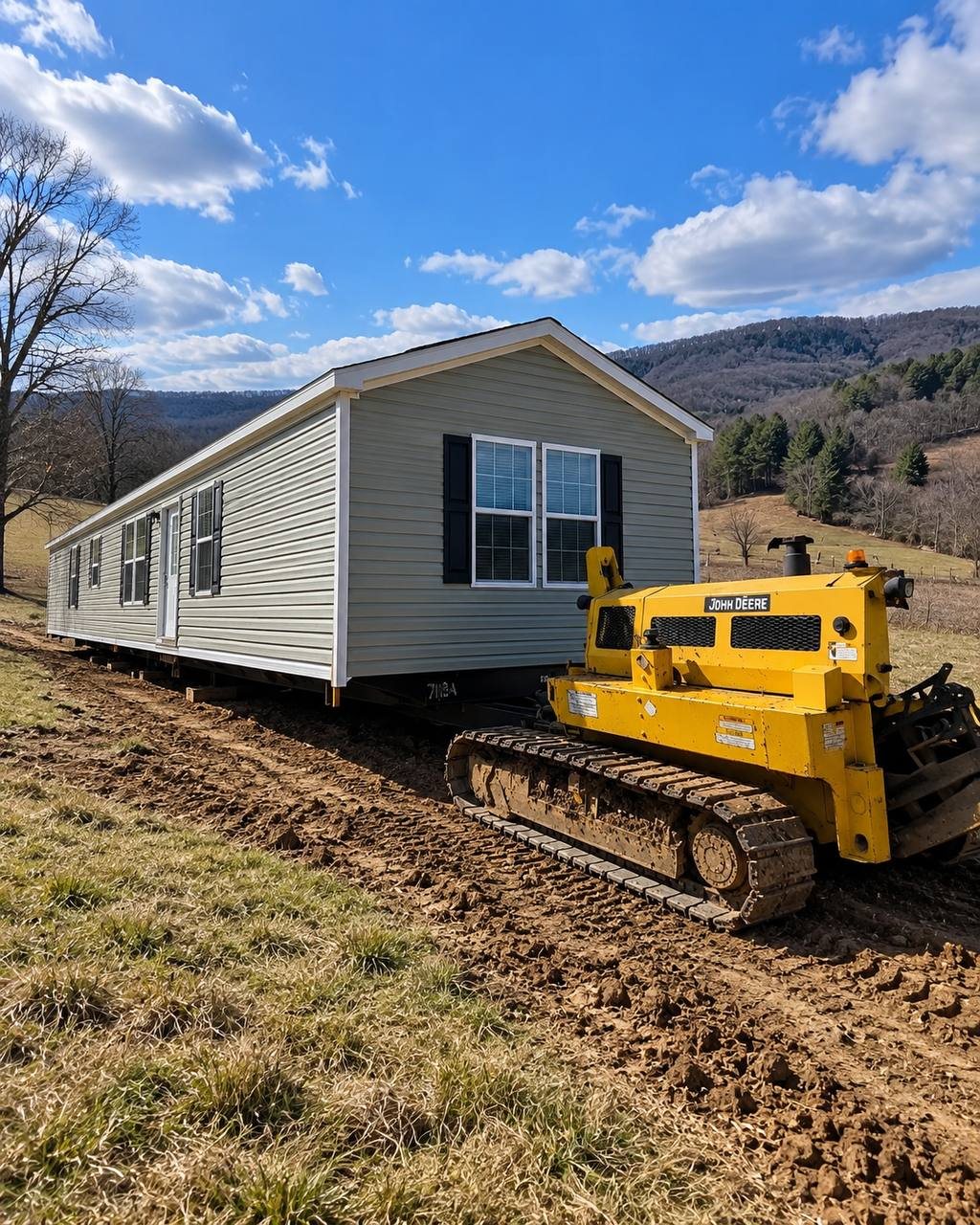
The mix reflects a county where manufactured homes have served affordably on rural lots for generations: older single-wides on permanent foundations near Six Mile and Norris, newer double-wides on rented pads closer to the SC-153 corridor, and homes being repositioned as land sales shift ownership. An in-county move — pulling a single-wide off a rural lot near Calhoun Corners and setting it down near Liberty — is a different scope from hauling a double-wide out of Easley to a site near the Greenville county line. Matching the job to the right equipment and mover starts with knowing exactly which move you have, and the local movers page is a practical place to compare options in Pickens County and adjacent markets.
What a move costs around Easley
Cost follows scope closely here. Distance and road grade drive the transport side; blocking, underpinning, and utility work drive the setup side. The table below covers typical ranges for the most common job types in and around Easley. Any quote that arrives without a destination-lot inspection should be treated as incomplete rather than competitive — a leveling and access problem discovered on delivery day adds cost that a proper pre-move site visit would have caught first.
| Job type | Typical range |
|---|---|
| Single-wide, short local haul (under 20 miles) | $3,000 – $5,500 |
| Single-wide, longer route or hilly terrain | $5,000 – $8,000 |
| Double-wide, local with basic setup | $7,000 – $10,500 |
| Double-wide, complex setup or long haul | $10,000 – $15,000 |
| Utility disconnect and reconnect (separate estimate) | $400 – $1,400 |
Jobs crossing county lines or requiring a pilot car add to both the permit fee and the transport total. The most reliable way to keep a move near the lower end of its range is to have the destination lot inspected, leveled, and permit-ready before booking the truck — extra trips and rescheduled county inspections accumulate quickly. The mobile home transport guide covers what a complete scope quote should include and where to push for detail.
The permit and tax steps South Carolina requires
South Carolina requires two documents before a manufactured home can legally leave its current location: a county moving permit and a tax-paid certificate confirming that property taxes on the home are current. Both must be secured before the truck arrives — a missing tax certificate at pickup is one of the most common causes of last-minute delays. The county treasurer's office issues the tax certificate once taxes are confirmed paid; the county handles the moving permit through a separate process. The South Carolina mobile home moving laws page covers the full document checklist, which agencies are involved, and what destination inspections apply once the home is set.
At the destination, setup must meet current installation standards before a certificate of occupancy or utility connection can proceed. Federal requirements under the HUD Office of Manufactured Housing Programs set the baseline for foundation support, anchoring, and utility connections regardless of what a county inspector may require separately. South Carolina also requires that the installer hold a current state license for manufactured housing work — an unlicensed setup creates a problem at the CO stage, not just a paperwork gap. Confirming your installer's license number and its standing before signing is a five-minute check that prevents a significant delay at the end of the job.
Wind zone, anchoring, and Upstate SC storm history
Pickens County sits in HUD Wind Zone I under 24 CFR 3280.305, the federal standard that governs tie-down anchor requirements for manufactured homes. Zone I is the baseline classification, but the county's recent storm record gives that designation real weight: Pickens County has 23 federally declared disaster events spanning 2005-2026, including hurricane declarations in 2023 and 2024, a tropical storm declaration in 2024, a fire declaration in 2025, and a winter storm declaration in 2026. A home that is properly anchored and set on a well-drained, leveled pad performs significantly better across all of those event types than one installed to minimum spec on soft or ungraded ground.
Every manufactured home built after June 15, 1976 carries a HUD data plate inside specifying the wind zone it was designed for. The installer's anchor schedule should match or exceed that rating. Ask to see the written anchor plan before setup begins, not after the crew has left the site. For homes built before that date, no data plate exists — those require a separate structural evaluation before anchoring to confirm the assembly can take the load.
Route access, older homes, and what slows a move down
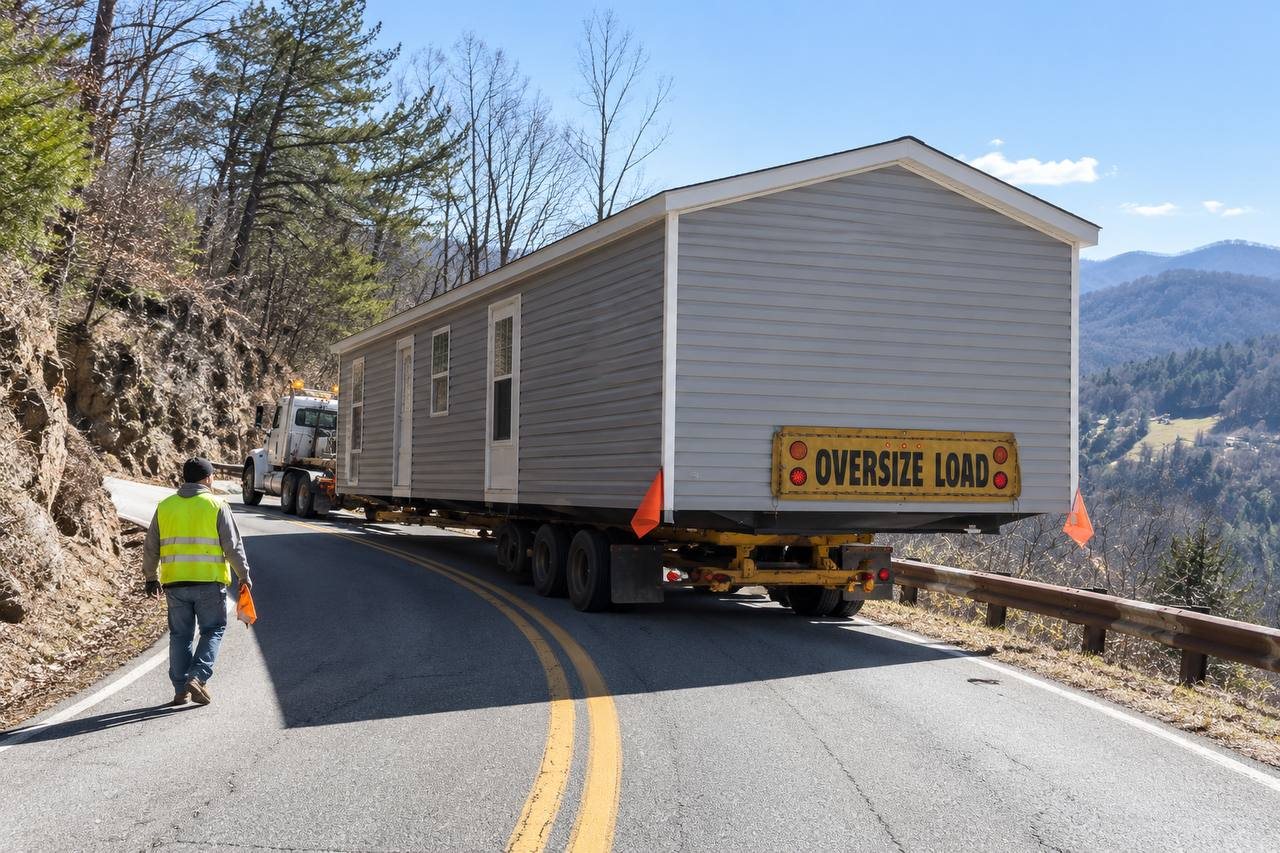
Easley sits in the Upstate South Carolina piedmont, and the roads fanning out from it toward Table Rock, Walhalla, and the Lake Keowee corridor vary sharply in width, grade, and overhead clearance. A double-wide moving through Easley proper or along SC-8 toward the town of Pickens will likely need a South Carolina Department of Transportation oversize permit and a pilot car, depending on the route and the home's width. Single-wides under the standard legal width typically move without a pilot car on most county roads; double-wides almost always require one, and routes through hilly sections near the Blue Ridge foothills can add time and mileage.
Homes built before June 15, 1976 carry an additional layer of consideration. Pre-HUD-code manufactured homes may contain asbestos-containing materials or lead-based paint, and the EPA's regulations on asbestos and lead paint disturbance apply to any disconnect, transport prep, or setup work that cuts into walls, floors, or insulation. A mover handling older homes should be prepared to explain their approach — or refer you to a certified abatement contractor before work begins. Addressing this before the job starts costs a fraction of what a discovery mid-move does.
Booking lead time matters in Pickens County: spring and early summer run heaviest as land sales close and lot leases turn. Planning six to eight weeks out during peak season gives enough runway to pull permits, confirm destination-lot readiness, and coordinate utility disconnects without compressing any step.