One in four homes in Cherokee County is a manufactured home
Cherokee County, South Carolina carries one of the higher concentrations of manufactured housing in the Upstate: roughly 5,984 mobile and manufactured homes make up about 24.0% of all housing units in the county, according to Census ACS 2019–2023 data. Gaffney itself runs leaner, with around 192 manufactured homes — about 3.5% of city homes — but the county's rural stretches, from lots off the I-85 corridor to private parcels near the North Carolina state line, fill out that total with single- and double-wides that have sat on their pads for decades.
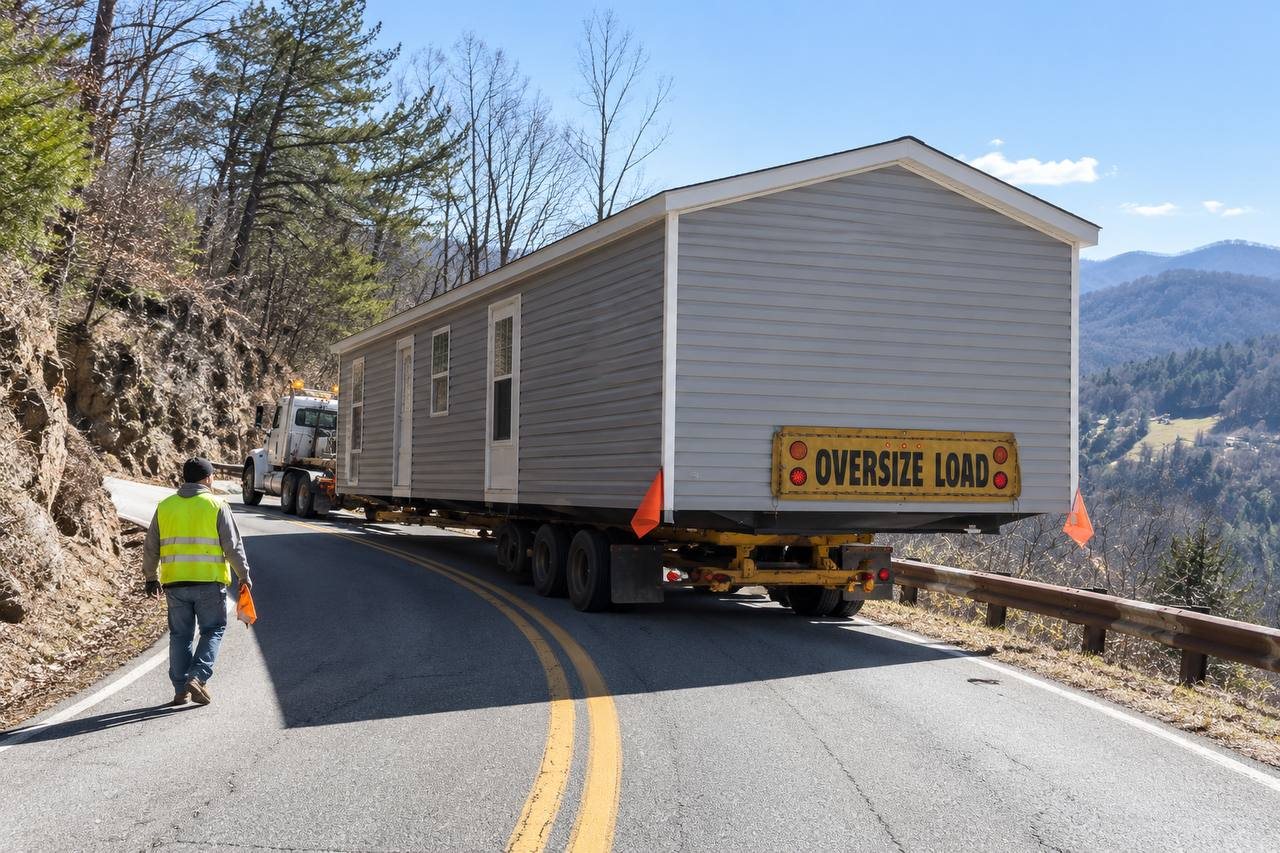
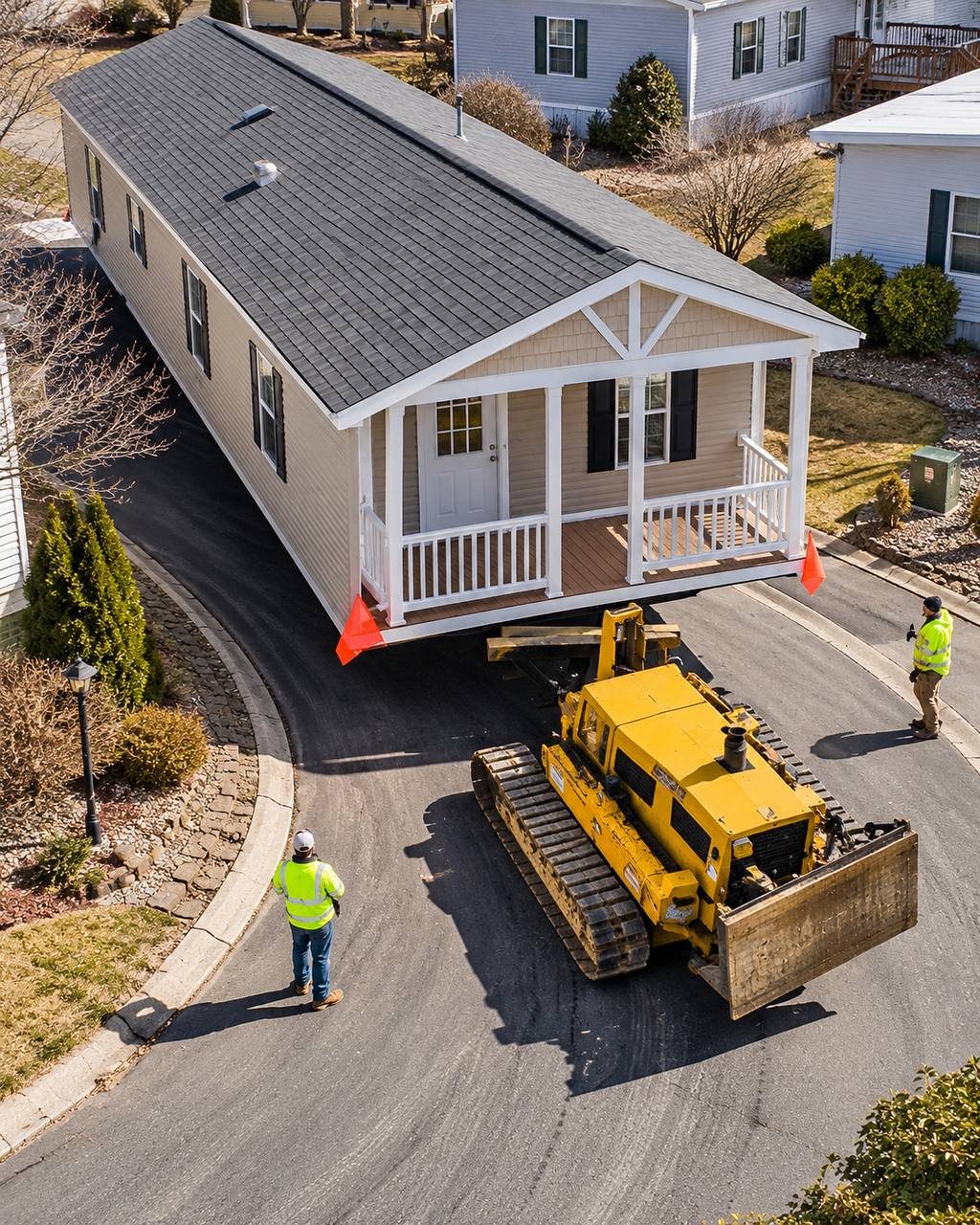
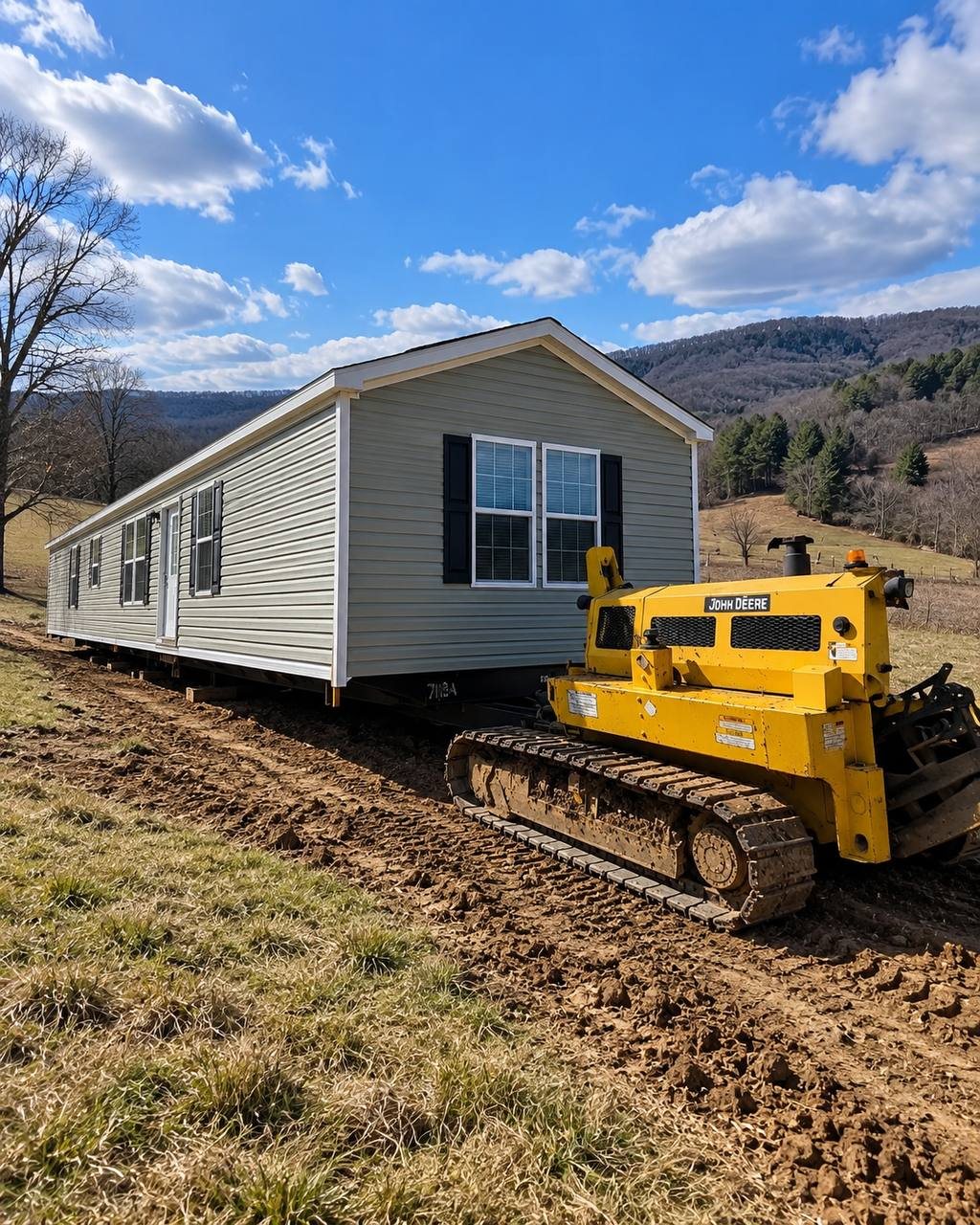
When one of those homes needs to move — a family selling a lot, an estate clearing land, or a tenant leaving a park — the job lands in a specialized market that sits apart from standard freight hauling and real estate work. It runs through a specific South Carolina permitting sequence, involves road and lot conditions particular to Piedmont terrain, and requires equipment and experience that a general mover cannot substitute for. Finding mobile home movers near you who already know Cherokee County's roads and the county's permit steps is the first practical filter when you start comparing options.
What a move costs around Gaffney
Around Gaffney, a single-wide move typically runs $3,000 to $8,000 and a double-wide $7,000 to $15,000. Those ranges cover real variation: distance between origin and destination, road access at both ends, lot conditions at the new site, and whether hookup or setup work is bundled into the quote all affect where the final number lands. The table below maps scope to typical price range; for a line-by-line explanation of what drives each cost, the mobile home transport guide covers it in detail.
| Scope | Typical Price Range |
|---|---|
| Single-wide, short local move | $3,000 – $5,000 |
| Single-wide, longer distance or tight site access | $5,000 – $8,000 |
| Double-wide (two loads), local move | $7,000 – $11,000 |
| Double-wide, longer haul or difficult lot access | $11,000 – $15,000 |
A double-wide adds complexity beyond its price: two separate transport loads, two SCDOT oversize permits, and two halves that have to align precisely on the new foundation. If the destination pad is not ready when the second section arrives, or if either half is damaged in transit, costs climb toward the upper end of the range quickly. Solid site prep before the move date is where double-wide jobs succeed or fall apart.
South Carolina's permit and tax-clearance steps
South Carolina adds a step that surprises many property owners the first time through: the county treasurer's office must issue a tax-clearance receipt confirming that property taxes on the home are current before a moving permit can be issued. That step alone can add days to a timeline if taxes are in arrears or the treasurer's queue is backed up. Once the tax clearance is in hand, a SCDOT oversize-load permit covers the road transport itself.
The full requirements — moving permits, installer rules, foundation and utility standards — are laid out on the South Carolina mobile home moving laws page. The practical takeaway for a Cherokee County job: start the tax clearance before the mover is on the calendar, not after. A crew that arrives to find the permit is not cleared will charge for the trip regardless, and a home sitting on a truck while paperwork catches up is expensive in more ways than one.
Anchoring, setup, and the HUD wind zone
Once a home reaches its new Cherokee County location, installation falls under federal standards set by HUD's Office of Manufactured Housing Programs. Cherokee County's HUD wind zone designation is Zone I under 24 CFR 3280.305 — the moderate-wind category that covers most of the South Carolina Piedmont. That designation sets the minimum specifications for ground anchors, tie-down straps, and pier spacing at the new site. Any installation that falls short creates both a structural vulnerability and a title or financing obstacle.
That vulnerability is not theoretical in Cherokee County. The county has recorded 21 federally declared disaster events over 1991-2026, including hurricanes in 2022, 2023, and 2024, a tropical storm in 2024, and a winter storm in 2026. Homes on properly installed Zone I anchoring systems performed differently through those events than homes on inadequate setups. Verify that the installation plan for the new site meets Zone I minimums before the transport date, not after the first severe weather season.
Pre-1976 homes and what to confirm before moving day
Homes built before June 15, 1976 predate the federal HUD Code entirely. They were constructed under state and local standards that varied by jurisdiction, and they carry two material risks whenever significant structural work disturbs the home: asbestos in floor tiles, duct tape, and roofing components, and lead-based paint on interior and exterior surfaces. The EPA sets the notification and handling rules for both hazards before relocation or renovation work begins. A pre-1976 home is not necessarily harder to transport structurally, but it requires professionals who know when to pause and call for a hazardous-materials assessment rather than push through.
Post-1976 homes built under the HUD Code carry a data plate inside a cabinet or closet that records the wind zone, thermal zone, and roof load the home was engineered for. Any thorough pre-move inspection includes confirming that plate exists and is legible — it is the fastest way to verify that the home's specifications match Cherokee County's installation requirements at the new site.
Road access, lot conditions, and booking timing
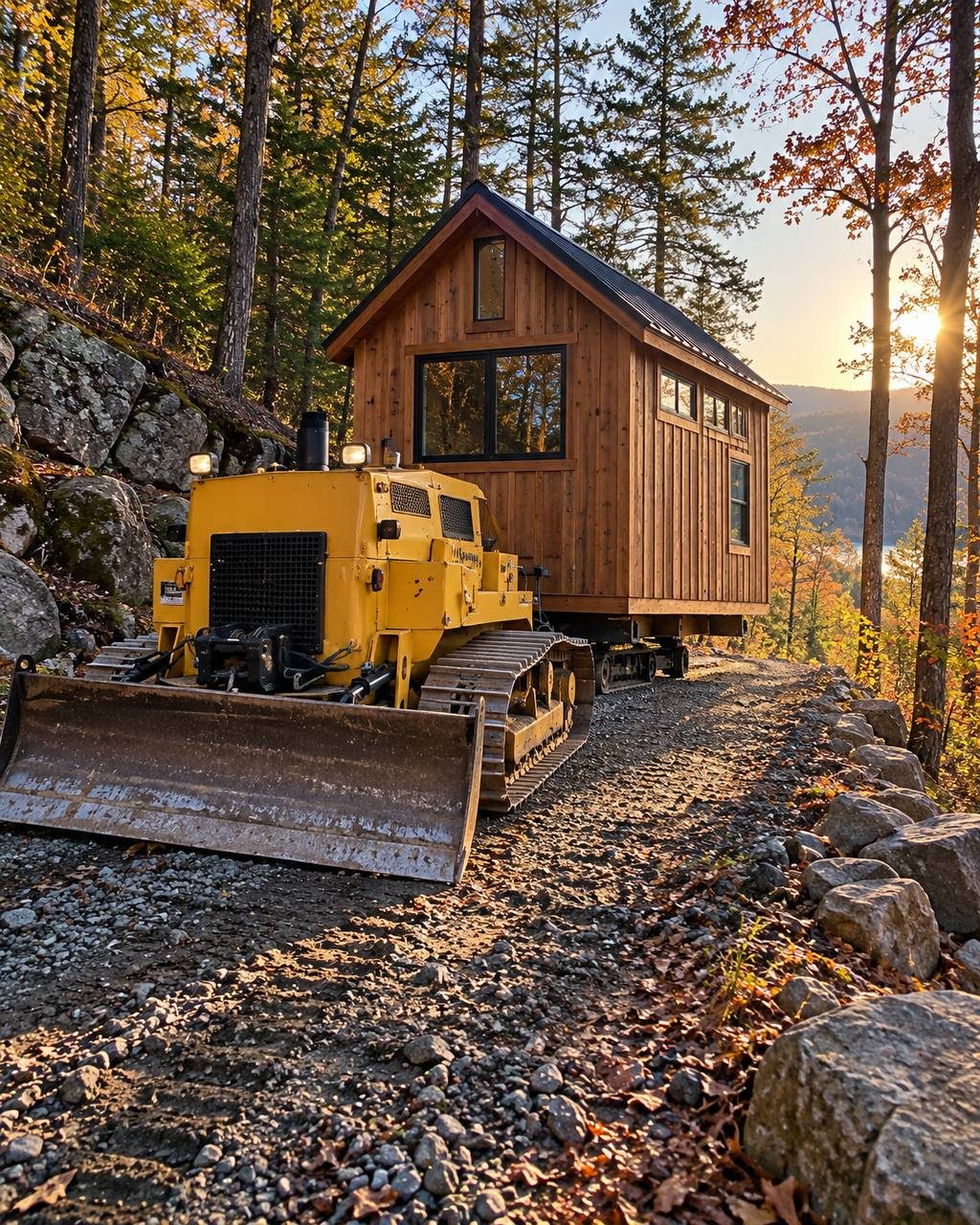
Cherokee County's I-85 corridor gives reasonable access between Gaffney and the broader Upstate, but many residential parcels sit off narrower state routes and county roads where low-hanging utilities, soft shoulders, and tight lot entrances limit which equipment can reach the pad. A site visit before the move date to check overhead clearance, road width, and the approach to the lot entrance avoids the cost and delay of arriving with a rig that cannot get through. Where access is genuinely constrained, additional equipment or utility-line coordination may be needed, both of which add to the total.
Most moves in this market can be scheduled within a few weeks of permit clearance. Jobs tied to estate settlements, park closings, or pending lot sales often face tighter timelines — if that describes your situation, use the form on this page and describe the constraint directly. For coverage across the county and the surrounding Upstate South Carolina region, the mobile home movers near me directory lists availability by location.