Greenville County's mobile home stock and who moves within it
About 17,530 mobile homes sit across Greenville County, making up roughly 7.5 percent of all housing units, according to Census ACS 2019–2023 estimates. That share is heaviest in the unincorporated areas well outside Greenville proper: the rural tracts toward Travelers Rest, the southern corridors near Fountain Inn and Gray Court, and the older parks clustered around Greer and Simpsonville. The county seat's growth has pushed mobile home residents further out over the years, which means a large portion of moves happening now are park-to-private-land relocations — families who bought acreage and want to bring the home to it rather than buy new.
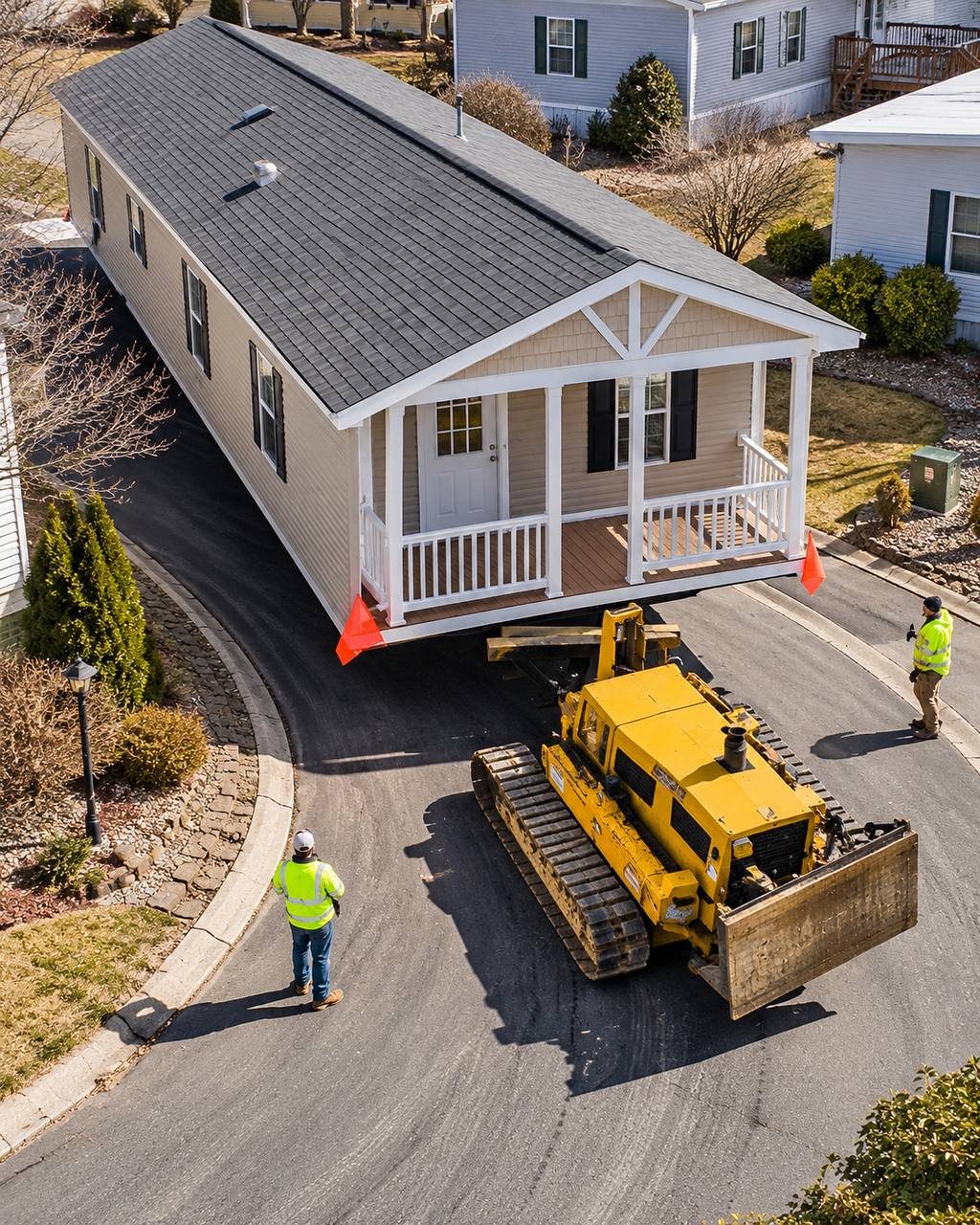
Most local moves fall into one of three situations: a home being pulled from a park after a lease ends or the land sells; a home being placed on private land a family has purchased; or a home being repositioned after a life change. All three require the same starting steps: a licensed transporter, a tax-paid receipt from the county, and a destination lot ready to receive the home. The mobile home transport guide covers what changes when the move crosses county or state lines.
What a move costs in and around Greenville County
Distance and home size drive the number. A single-wide on a clear route under an hour from its destination lands near the low end of the range; a double-wide requiring a pilot car, overnight staging, or complex road conditions will approach the top. The table below reflects typical transport-only costs for moves in and around Greenville County, before setup, permitting, or utility work.
| Move type | Typical range |
|---|---|
| Single-wide, local (under 30 miles) | $3,000 – $5,500 |
| Single-wide, regional (30–100 miles) | $5,500 – $8,000 |
| Double-wide, local (under 30 miles) | $7,000 – $10,500 |
| Double-wide, regional (30–100 miles) | $10,500 – $15,000 |
| Setup, blocking, and leveling | $1,000 – $2,500 (additional) |
| Permit coordination and escort fees | $200 – $700 (additional) |
What pushes a job toward its top end: steep or wet lot conditions, low utility lines requiring an escort crew, a double-wide that needs to split into two sections for a tight rural road, or a destination site that requires grading before the home can set. Get a quote that accounts for the destination lot, not just the origin address.
The permit and receipt steps South Carolina requires before the move
South Carolina law requires a tax-paid receipt confirming that property taxes on the mobile home are current before a transporter can legally move it. This is not optional and it is not instant: gathering the receipt can take several business days if taxes have been paid recently and have not yet posted, or if the home's title has changed hands. Pull it as early as possible once a move date is set.
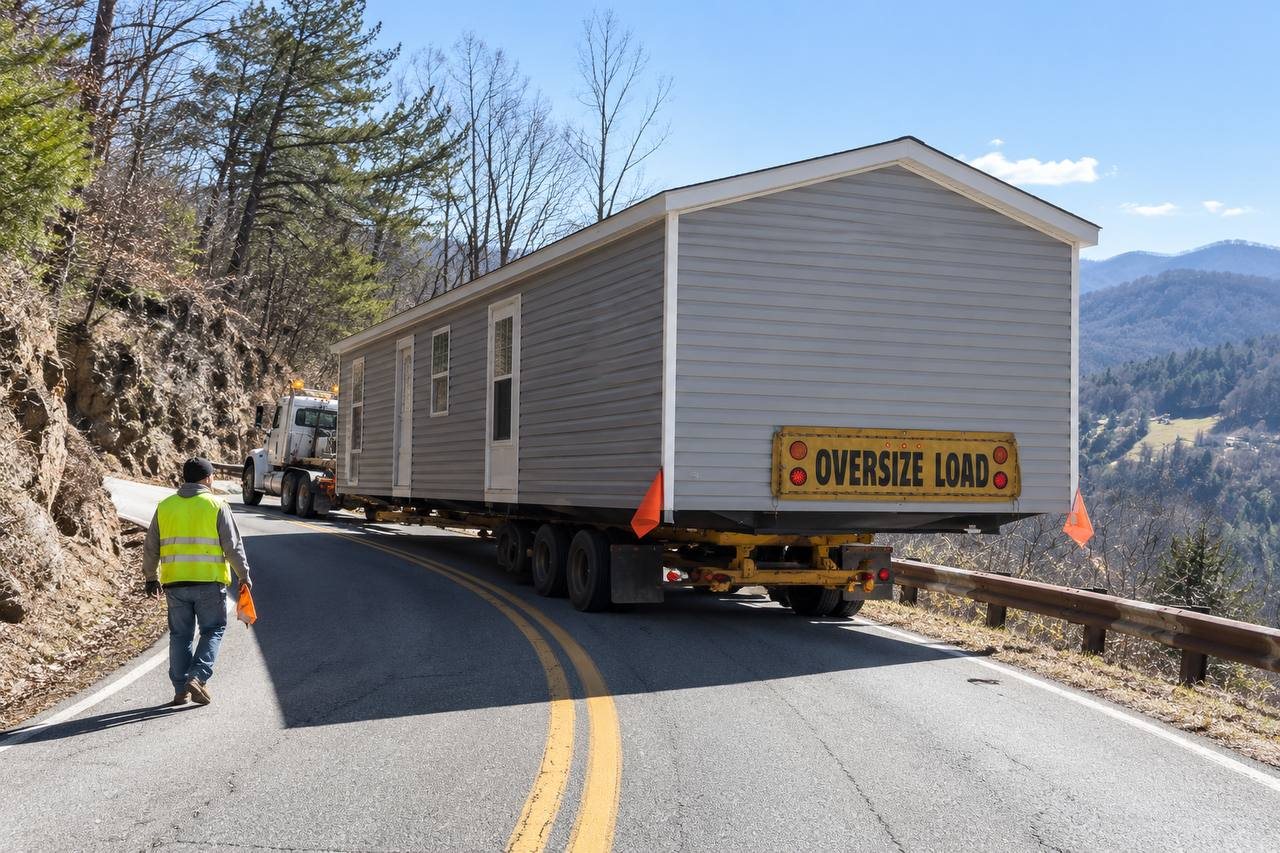
For transport on state-maintained roads, an oversize load permit is required. A professional transporter coordinates the route and the permitting, but confirm that the route has been physically inspected rather than just mapped on a screen before booking. Utility lines, bridge clearances, and county road restrictions in rural Greenville County can add time and cost that a digital route will miss. The complete legal framework for South Carolina moves — including what the state's installer licensing program requires at the destination end — is covered on the South Carolina mobile home moving laws page.
Road access and site prep — where moves stall in Greenville County
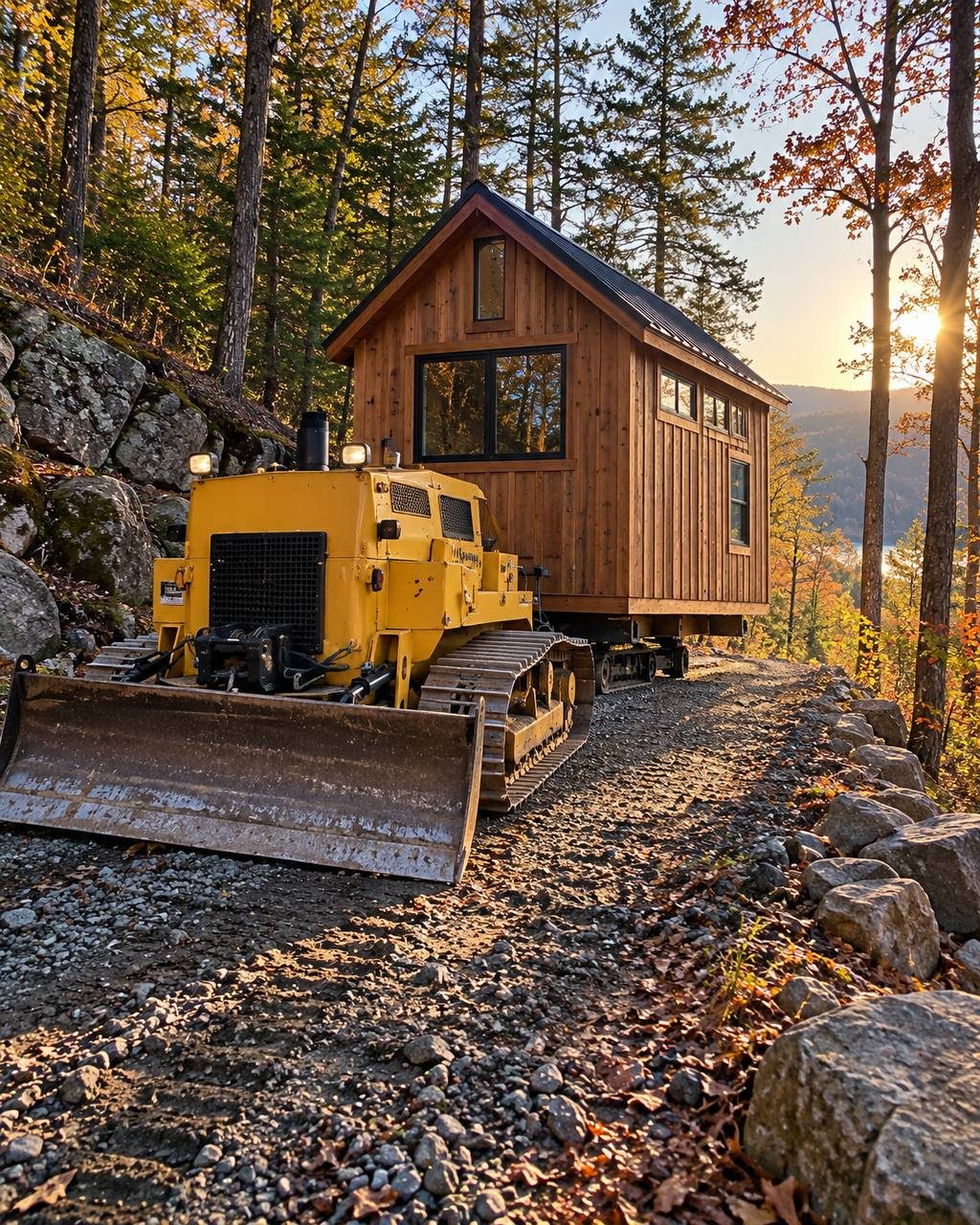
The Piedmont plateau running through Greenville County is gentler than the mountain counties to the northwest, but it has its own obstacles. Rural tracts off winding county roads — the kind found between Pelzer and Ware Shoals or north toward the Saluda County line — can have overhead utility lines low enough that a double-wide section needs a utility company crew walking ahead to raise them. Clay soils that drain slowly can turn a lot that looks finished into one that is not, especially after a wet season.
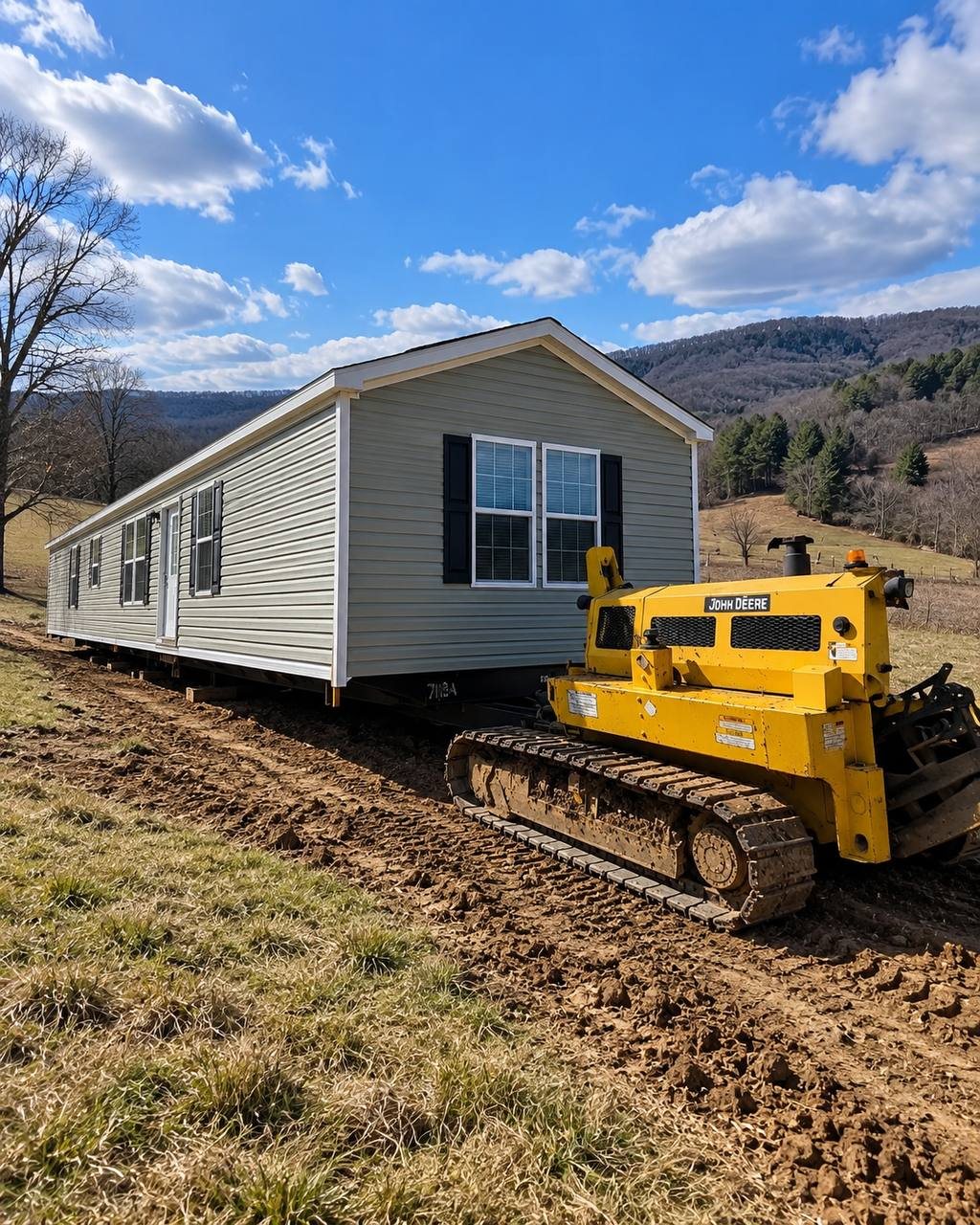
For the destination site: concrete blocks and piers need to be staged and accessible, the lot should be graded so water drains away from the home's footprint, and utility connections — water, power pedestal, and septic or sewer hookups — should be positioned before the home arrives. A transporter who flags site readiness issues on the first call is worth more than one who discovers problems the morning of the move. Finding a crew that knows the local roads is the first filter — the mobile home movers near me search lists options by proximity to Greenville County.
Wind zones, anchoring, and what storm history has required here
Greenville County is classified as HUD Wind Zone I under 24 CFR 3280.305, the federal wind-load standard for manufactured housing. Zone I is the baseline classification, and it does not mean low risk. The county has had 23 federally declared disasters across 2003-2026, including hurricane events in 2023 and 2024, a tropical storm in 2024, a fire event in 2025, and a winter storm in early 2026. The HUD manufactured housing program sets the minimum anchoring and tie-down specifications for Zone I installations; South Carolina's state installer licensing program enforces compliance at setup. Any home that moved without being re-anchored and re-blocked to current spec is out of compliance regardless of how the transport went.
Homes built before June 1976 predate the HUD Code entirely. Their frames, anchor point locations, and roof designs may not match what modern installers expect, and older homes frequently require a custom anchor plan. Pre-1976 homes also carry a real possibility of asbestos-containing materials in siding, roofing, and floor tile, and lead-based paint in interior finishes. The EPA's regulations on asbestos and lead paint in older homes apply before any work that disturbs those surfaces, including utility disconnection, window pulls, or repositioning work done during transport prep.