Greenville County's mobile home footprint
Greenville County, SC counts approximately 17,530 occupied mobile homes in the 2019–2023 American Community Survey — about 7.5 percent of all housing units in the county. Greer's share is smaller: roughly 451 units, about 2.7 percent of the city's housing stock, concentrated in established parks along the US-29 and I-85 corridors. That volume means this market is active enough that movers know the roads, the parks, and the permit offices well.
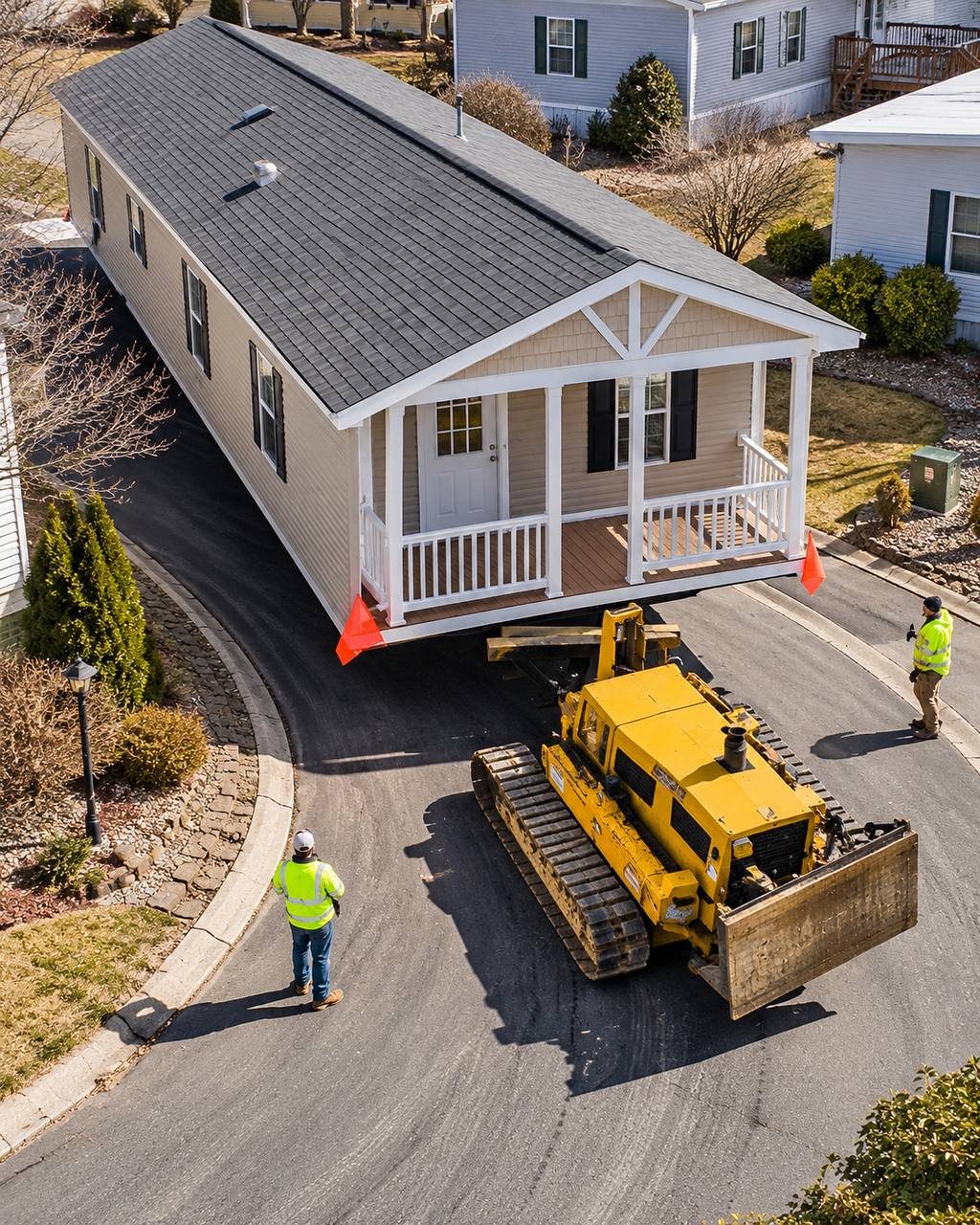
Homes move for all the usual reasons: a sale that requires the unit off a rented lot, a land purchase that puts the buyer on their own ground for the first time, a park closing, an estate transfer, or a refinance that requires the title to reflect a different address. Whatever the trigger, the steps are the same — a transport quote, a county moving permit, a tax-paid receipt from the county treasurer, and an oversize load permit for the road leg. Skipping any one of them creates a title problem that outlasts the move itself.
The I-85 corridor through Greer has seen consistent development pressure, and park closings are a real event in this market. When a park closes, residents face a compressed timeline: find land or a new park site, arrange financing if needed, and coordinate a move — all under deadline. Knowing the permit timeline and the realistic cost picture before the pressure hits makes that sequence manageable.
What a move costs in and around Greer
Price depends on three things: how far the home is going, how complex the site work is at each end, and what scope the mover is actually quoting. A bare transport quote covers the truck, the move, and the drop. A full-service quote adds teardown — disconnecting utilities, removing blocking, and rigging the home onto the transport — and setup: re-leveling, blocking, and anchoring at the destination. Make sure you know which one you have before any numbers land.
| Scope | Typical Range |
|---|---|
| Single-wide, local move, transport only | $3,000 – $5,000 |
| Single-wide, full-service (teardown, transport, setup) | $4,500 – $8,000 |
| Double-wide, local move, transport only | $7,000 – $10,500 |
| Double-wide, full-service (teardown, transport, setup) | $9,500 – $15,000 |
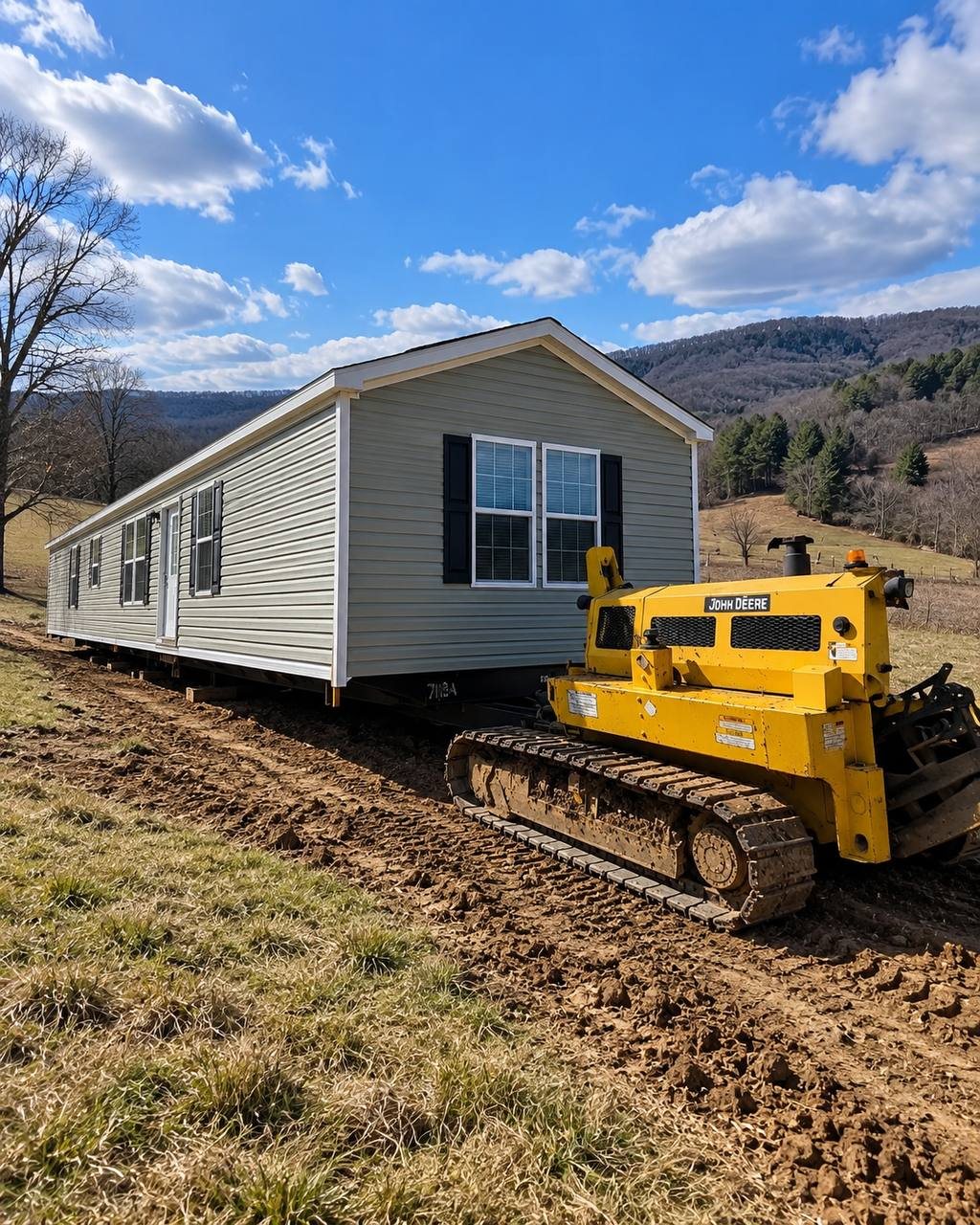
Ranges above assume a move within Greenville County or a short hop across county lines. Soft soil, a narrow park entry, a home that has been on the same block for twenty years, or a destination requiring a new pad all add time and equipment. Wind-zone tie-down anchoring and licensed utility reconnection are sometimes quoted separately; ask explicitly whether they are included. Jobs that approach the upper end of either range typically combine distance, site complexity, and full-service scope at once.
South Carolina's permit and tax-receipt steps
Two documents must be secured before a manufactured home legally leaves its current site in South Carolina. The first is a county moving permit from Greenville County. The second is a tax-paid receipt from the county treasurer confirming that all property taxes on the unit are current — a state requirement, not a local option, and one that travels with the title chain. Allow a few business days for the receipt if taxes are paid and the account is clear; any dispute on the balance needs to be resolved before the move is scheduled, not during it.
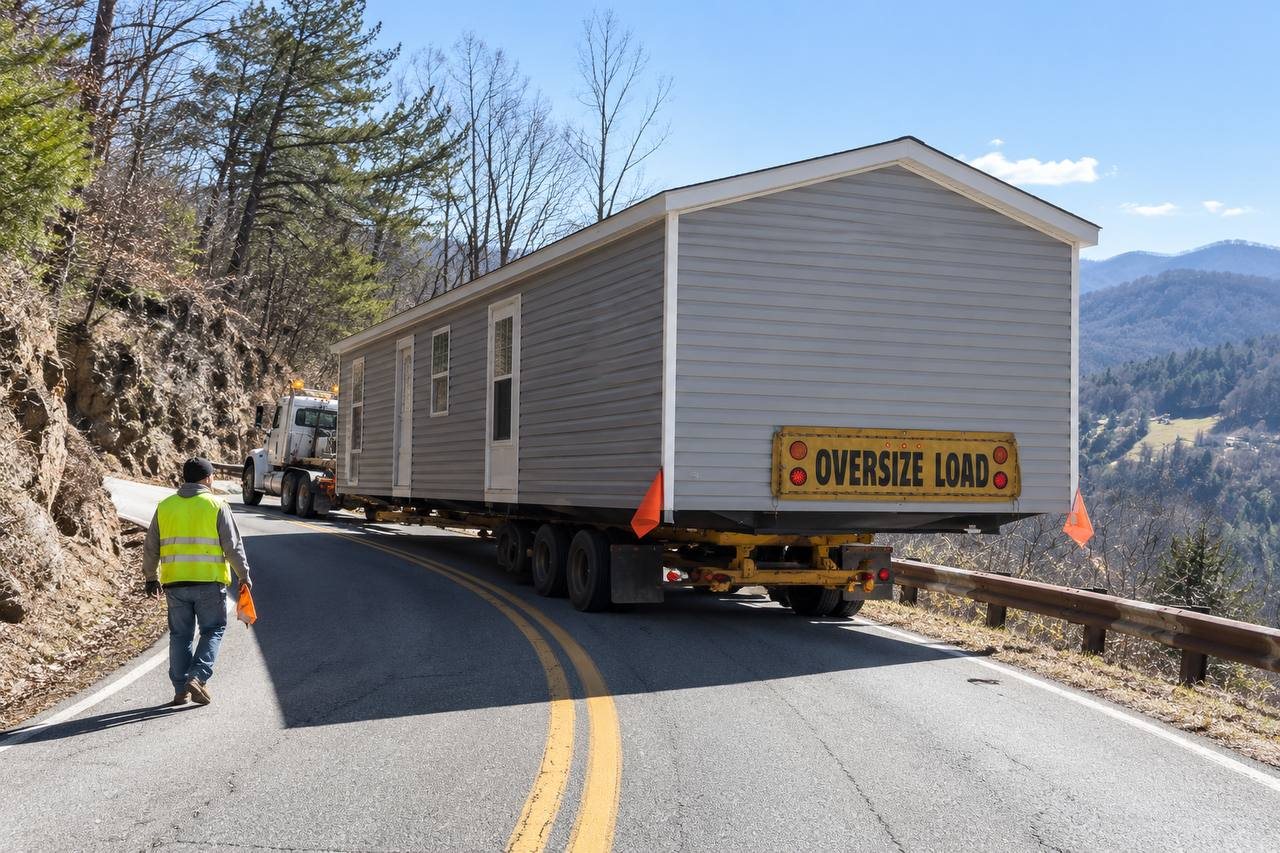
For the road leg, the home must travel under an oversize load permit from the South Carolina Department of Transportation. Virtually every single-wide and double-wide exceeds standard highway dimensions. At the destination, the installation must meet the standards published by the HUD Office of Manufactured Housing Programs — the federal baseline that applies to any manufactured home regardless of which state it moves in or to. Installers in South Carolina must carry state licensing credentials; ask to see them before signing a contract. The International Code Council's manufactured housing installation standards, adopted in South Carolina, govern how the home is blocked, leveled, and anchored once it lands at the destination site.
Road access, lot conditions, and wind zone requirements
Greenville County sits in HUD Wind Zone I under 24 CFR 3280.305 — the lowest wind-load classification under the federal HUD Code. That classification sets the minimum specifications for tie-down anchors and ground straps on any manufactured home installed in the county. A home relocating from one Zone I site to another within Greenville County should already meet the standard; a home brought in from a higher wind zone state may need hardware modifications before installation passes inspection. Confirm the anchoring system specification with your installer before the home goes in the ground.
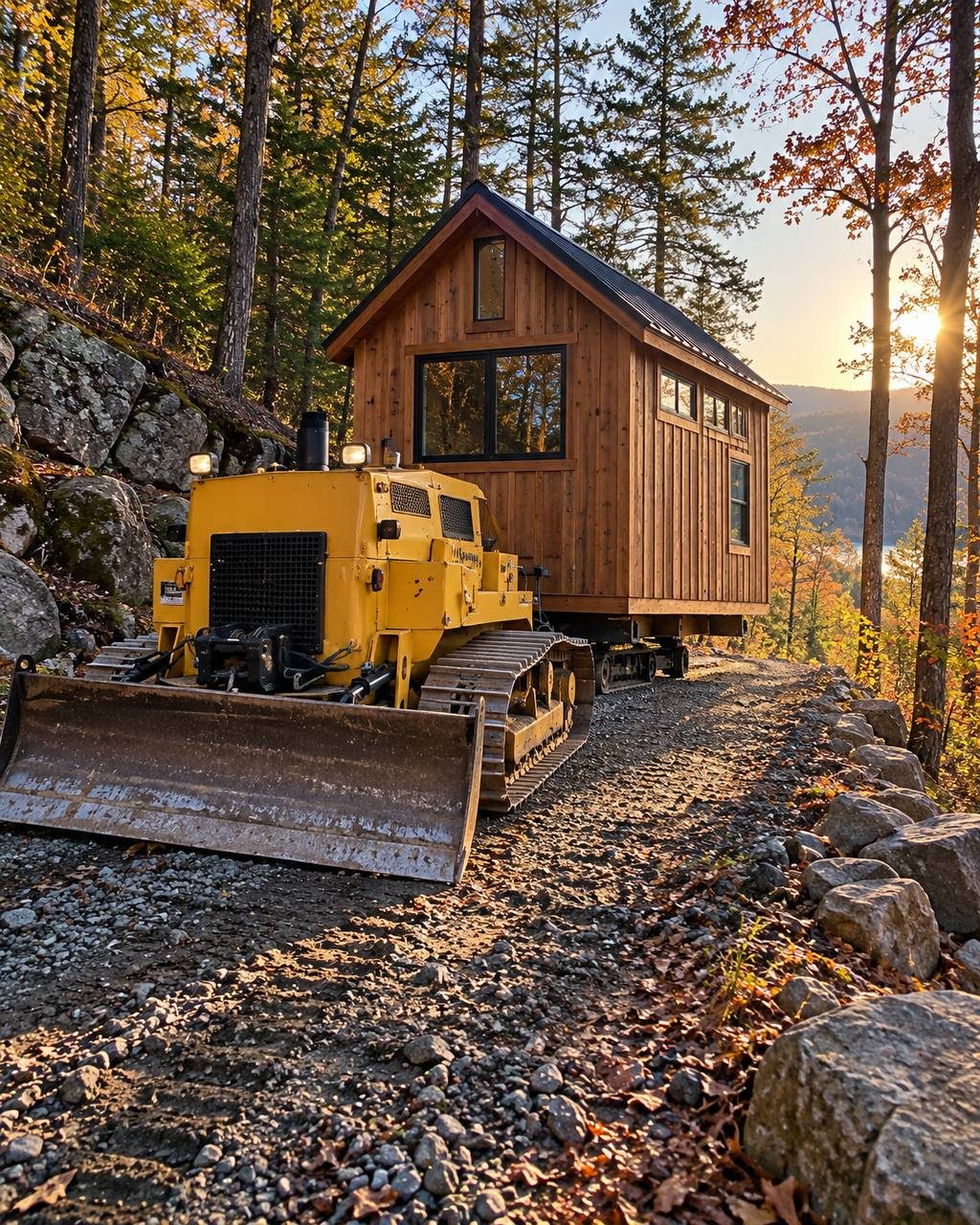
Greer's position on the I-85 corridor gives transport crews reliable main-road access for most moves. The complications typically arise at the lot ends: older parks off secondary roads can have tight entry turns, low overhead utility lines that need to be temporarily lifted, or soft shoulders that require a site visit before a truck commits. New parcels on the expanding edges south of Greer and in the rural stretches of northern Greenville County sometimes need a concrete pad or pier system installed before a home can be set — that is a separate scope from the transport itself and must be completed before the move date, not after.
Greenville County has 23 federal disaster declarations on record across 2003-2026. Recent events include Hurricanes in 2023 and 2024, a Tropical Storm in 2024, a Fire in 2025, and a Winter Storm in 2026. Repeated storm events saturate soil, complicate drainage, and can degrade site bearing capacity for months afterward. If a destination lot sits in a low area or near a drainage feature, ask about soil conditions before committing to a setup date.
Booking a move: what to confirm before a date is set
A well-coordinated move in Greer has three pieces confirmed before a date is set: the transport quote with scope spelled out, the permit paperwork timeline, and site readiness at the destination. County permits in Greenville County typically process in a few business days with a complete application. If the destination requires a new pad, utility rough-ins, or clearing, that work needs to be finished before the home arrives — setting a home on an unready site creates re-leveling and re-blocking costs that dwarf any savings from rushing the schedule.
Most transport companies serving this market can schedule a local single-wide move within one to two weeks of booking, assuming permits are already underway. A double-wide move or a job with complex site conditions takes longer to coordinate for equipment and oversize permit routing. A tight deadline — a park closing date, a real estate closing, a lease end — should be disclosed at first contact so a mover can tell you honestly whether it is workable. Last-minute moves that skip permit steps to hit a deadline create title problems that take far longer to resolve than the deadline was worth.
For a full walkthrough of what the process involves, the mobile home transport guide covers the logistics step by step. South Carolina's specific rules on title transfer, county tax receipts, and installer licensing are detailed on the SC mobile home moving laws page. To compare providers serving Greenville County and the Greer area, start at mobile home movers near me.