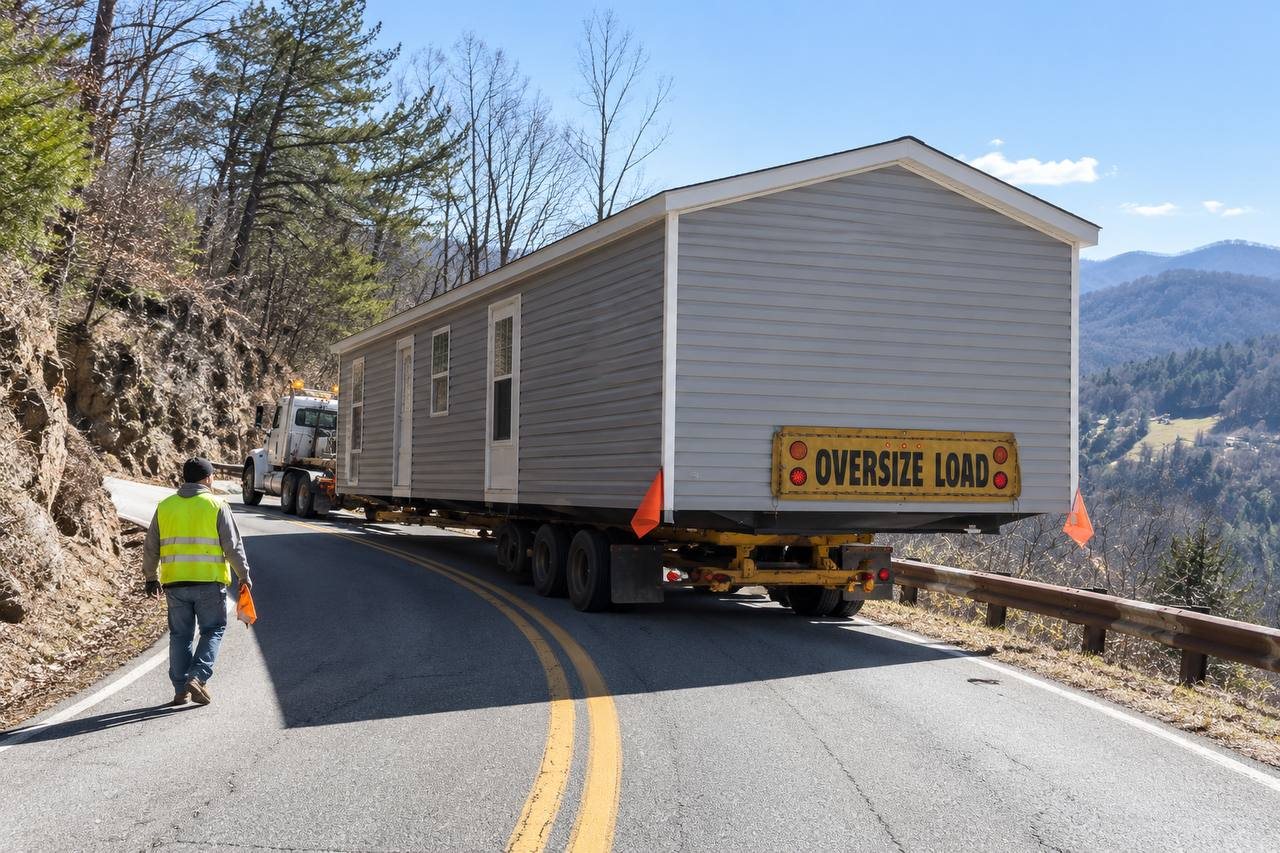
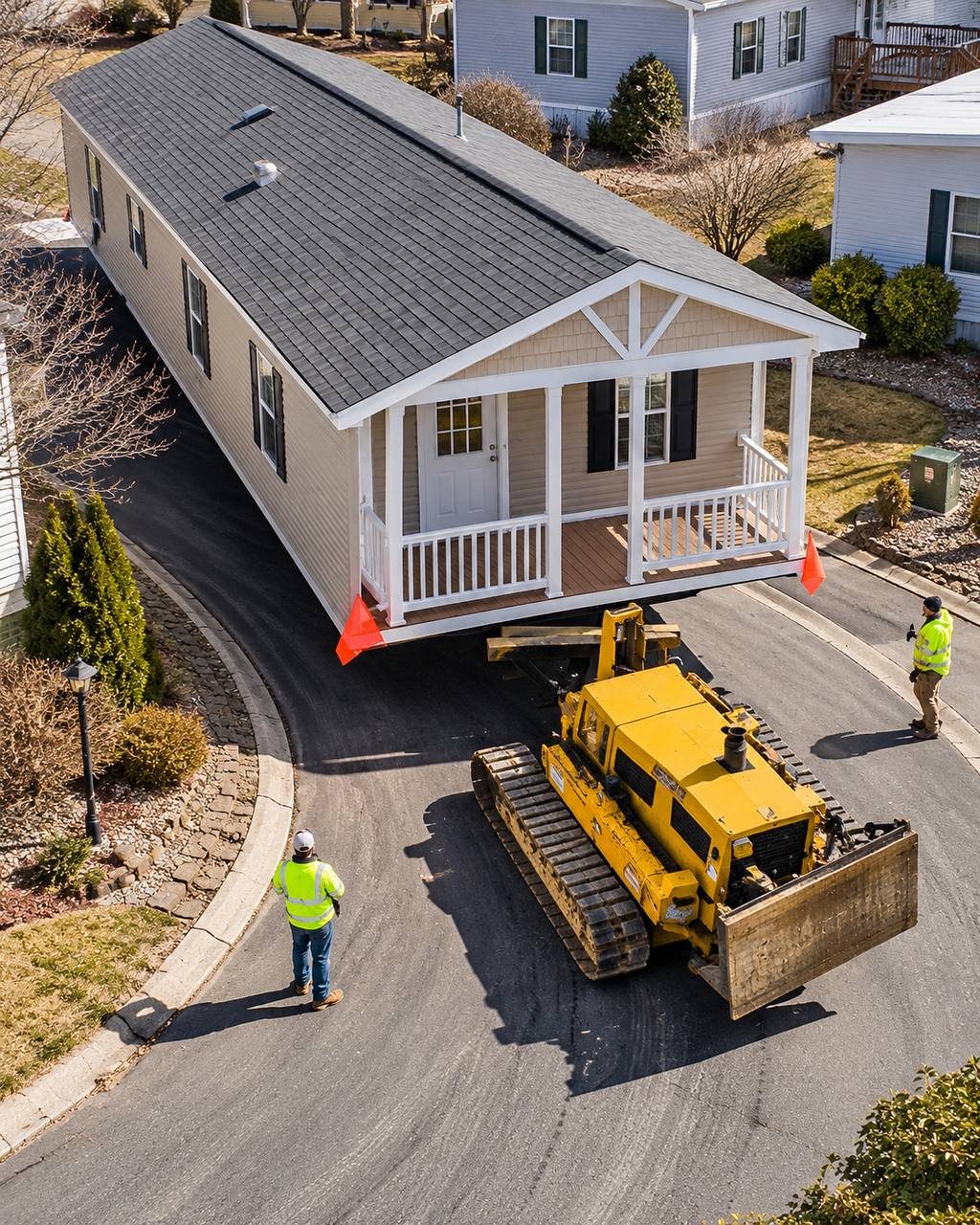
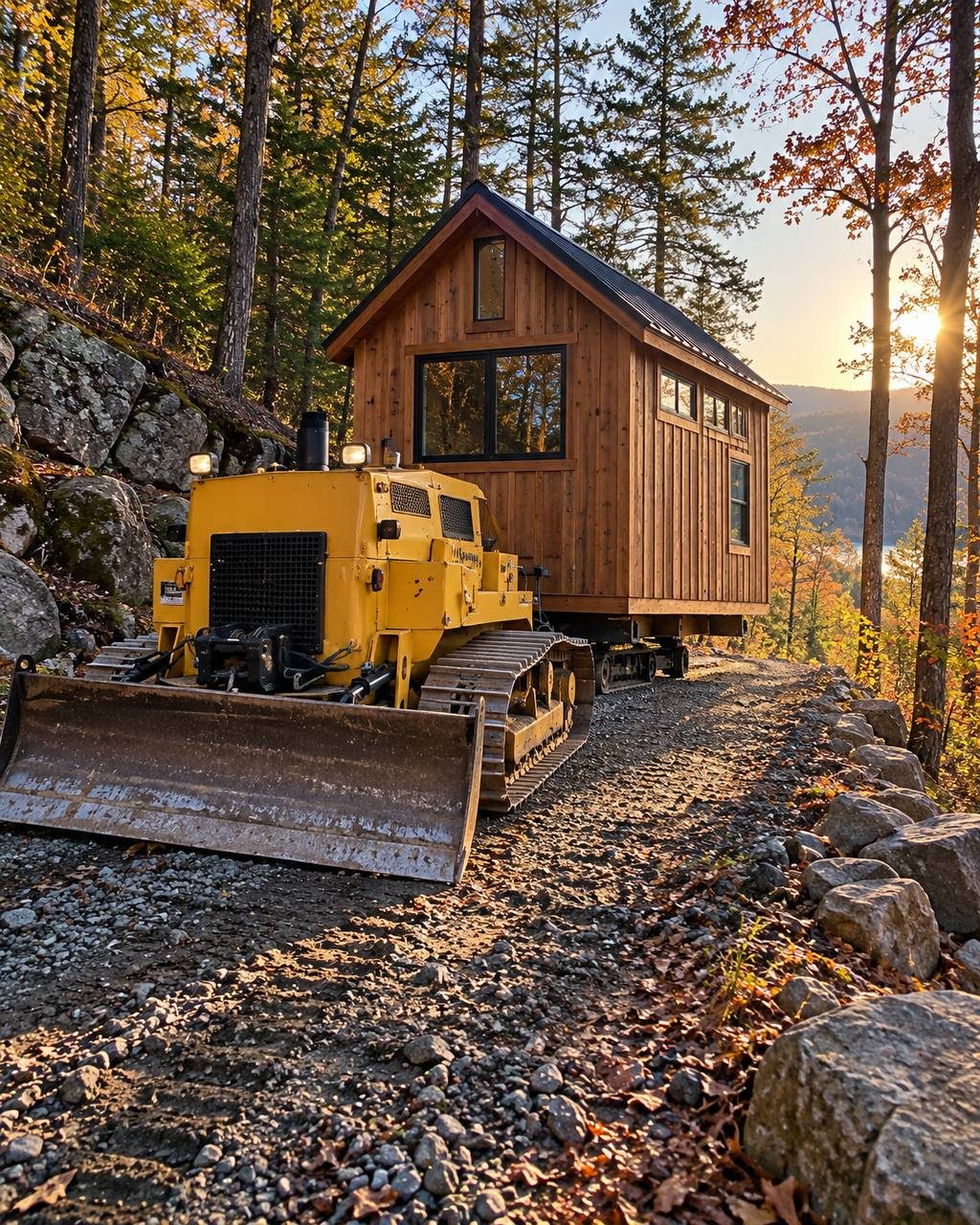
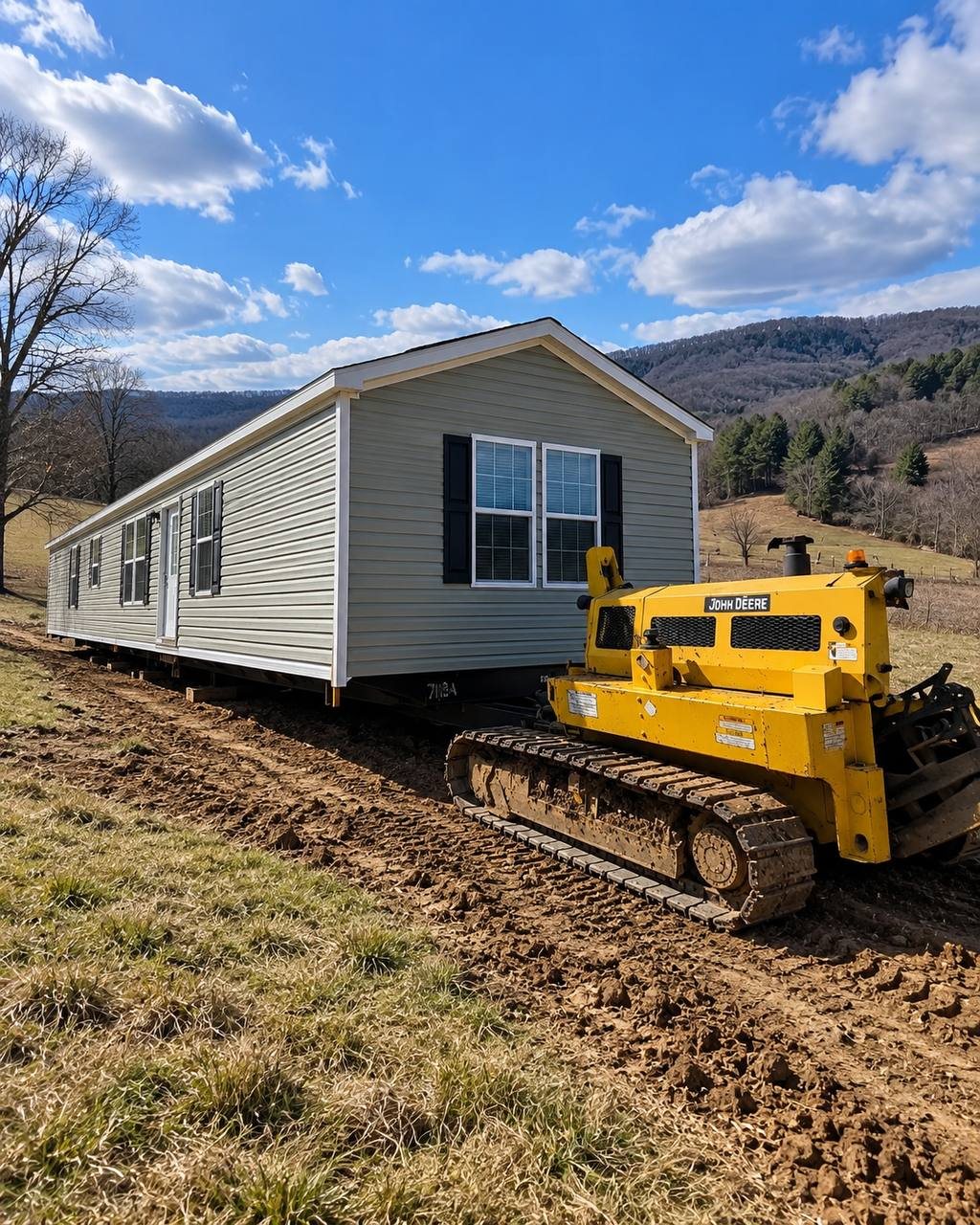
Nearly one in three homes here is a mobile home — and they move
Laurens County carries a manufactured housing stock that most of the upstate region does not match. Census data puts roughly 9,310 mobile and manufactured homes in the county — about 29.4 percent of all housing units. In the city of Laurens itself that share drops to around 3.6 percent, which means the bulk of the county's manufactured homes are spread across the rural townships: Ora, Waterloo, Gray Court, Cross Hill, Hickory Tavern. These homes sit on private land, often at the end of long drives off county roads with tight turns and variable lot grades.
When one of those homes changes hands, needs to follow a family to a new parcel, or reaches the end of its useful life on a given lot, moving it is a logistics and legal event at the same time. The mover has to know the county roads, the South Carolina permit process, and what a compliant setup looks like at the destination. The local mover guide covers what to ask before you book anyone for a Laurens County move.
What a move costs in and around Laurens County
Price depends on home type, distance, road access, and whether the destination site is ready to receive the home on move day. The table below gives working ranges for the most common scenarios originating in or landing in Laurens County.
| Move scope | Typical range |
|---|---|
| Single-wide, move within Laurens County | $3,000 – $5,500 |
| Single-wide, regional (to or from a neighboring county) | $4,500 – $8,000 |
| Double-wide, move within Laurens County | $7,000 – $10,500 |
| Double-wide, regional (to or from a neighboring county) | $9,500 – $15,000 |
These ranges assume navigable road access, no active utility line conflicts overhead, and a destination pad that is already graded and leveled. Tight turns on rural county roads, steep lot grades, or a destination that still needs pier work before the home can be placed push jobs toward the higher end of each range. Site setup — blocking, leveling, and Zone I anchoring at the destination — is typically quoted as a separate line item from transport; confirm whether a mover's bid covers it or whether you will hire a setup crew independently. For a breakdown of what each phase includes, the transport and setup guide walks through the full sequence from permit to final inspection.
South Carolina's moving permit and tax-paid receipt
Before a mobile home leaves its current location in South Carolina, two documents must be in hand: the county moving permit and a tax-paid receipt confirming that personal property taxes on the home are current. Laurens County processes moving permits through its county government offices; the receipt requirement is a statewide rule that prevents homes from relocating while taxes are owed against them. Movers operating in South Carolina will not load without both documents, and the home cannot legally be occupied at a new site until it passes a setup inspection at the destination.
The path changes if the home is arriving from a dealer lot, being titled in South Carolina for the first time, or crossing a state line. Each of those situations has its own documentation sequence, and a missed step can delay a scheduled move by days or more. The South Carolina moving laws page walks through each scenario step by step, including title clearance, lien release, and any county notification the destination address may require before the home can legally be placed.
HUD Wind Zone I and what anchoring means on a Laurens lot
The federal wind zone map places Laurens County in Wind Zone I under HUD 24 CFR 3280.305. That classification sets the minimum structural performance standard for manufactured homes built or installed here, and it directly governs the anchor and tie-down system required at every destination site in the county. A Zone I home moved to another Zone I location still requires a fully compliant anchor system installed by a qualified technician; partial or skipped anchoring is the most common setup deficiency that county inspectors flag on first review.
Soil conditions across Laurens County range from clay-heavy upland ground near the city to sandier subsoil in parts of the southern townships. Anchor holding capacity depends on soil resistance, so a thorough installer tests the ground before specifying anchor depth and spacing rather than defaulting to the lightest option the code permits. The installation standards published by the International Code Council provide the engineering baseline that state inspectors use when reviewing a manufactured home setup job in South Carolina.
Storm history and why a prepared site matters in this county
Laurens County has 20 federally declared disaster events on record spanning 1984-2026, including hurricanes in 2022, 2023, and 2024, a tropical storm in 2024, and a winter storm in 2026. That frequency of wind and water events is the reason proper site prep is not optional: a home correctly blocked, leveled, and anchored on a well-drained lot performed through those events differently than one placed on soft or low ground with shortcuts in the tie-down work.
For homes built before 1976, a move can surface a separate concern. Manufactured housing of that era commonly contained asbestos in ceiling tiles, floor adhesive, and thermal insulation, and lead-based paint on interior and exterior surfaces. Disturbing those materials during transport or repair can trigger regulatory obligations. The EPA's asbestos and lead paint regulations govern what must happen before demolition or significant renovation of an older home; some movers treat a structurally compromised pre-1976 home as a regulated assessment job before it can be loaded for transport.
What to confirm before a mover loads your home
A few checks that apply specifically to Laurens County moves: confirm the mover has worked on rural county roads and not only state-highway hauls, since the difference shows in how carefully they survey tight turns and low-clearance crossings before move day. Ask whether pilot car fees are included in the quote; a double-wide on a two-lane county road typically requires an escort vehicle, and that cost is sometimes listed separately. Verify that the setup scope at the destination covers Zone I anchoring and not only blocking and leveling, since those are distinct operations on most quotes. If the home was built before 1976, ask directly how the mover handles material assessment before loading begins.
The county moving permit and tax receipt are the homeowner's responsibility to obtain, not the mover's. Most movers will explain what to gather, but the county processes those documents on the homeowner's application. Starting that paperwork well before the move is booked is the single most reliable way to avoid a last-minute delay on move day.