One in five homes in Oconee County is manufactured housing
Census ACS data for 2019–2023 puts roughly 8,633 mobile and manufactured homes in Oconee County, South Carolina — about 20.8 percent of every housing unit in the county. Seneca itself carries a smaller share: around 143 units and 3.2 percent of its housing stock. The larger concentrations sit farther out, in the rural townships west of town, along the Cherokee Foothills Scenic Highway corridor, and in the lakefront communities near Lake Keowee and Lake Hartwell where Duke Energy easements and Corps of Engineers setbacks shape where homes can and cannot land.
That spread is the landscape you're working in when you need mobile home movers in Seneca, SC. Most moves in this market stay within Oconee County — switching parcels, leaving a park for private land, or moving onto family acreage that has been waiting for a home. A smaller share crosses county or state lines; Georgia is a short drive south near Fair Play and Walhalla, and Anderson County lies to the east. Whether the destination is a rural parcel off Highway 11 or a space inside the Seneca city limits, the same South Carolina permit steps apply, and they start weeks before the truck arrives. For matching with a crew that has worked Oconee County routes, the mobile home movers near me page is the fastest starting point.
What a move costs: the Seneca-area price table
Distance is the primary price driver; access conditions and service scope are close behind. Around Seneca, a single-wide typically runs $3,000 to $8,000 and a double-wide $7,000 to $15,000. The table below breaks common job types into working ranges for Oconee County:
| Move scope | Typical range |
|---|---|
| Single-wide, transport only, local (under 30 miles) | $3,000 – $5,000 |
| Single-wide, transport only, regional (30–100 miles) | $4,000 – $8,000 |
| Double-wide (two sections), transport only, local | $7,000 – $11,000 |
| Double-wide (two sections), transport only, regional | $9,000 – $15,000 |
| Teardown — blocking removal, disconnect, skirting | add $800 – $2,000 |
| Destination setup — piers, leveling, anchor system | add $1,200 – $2,500 |
| SC permits and required site inspection | $100 – $350 |
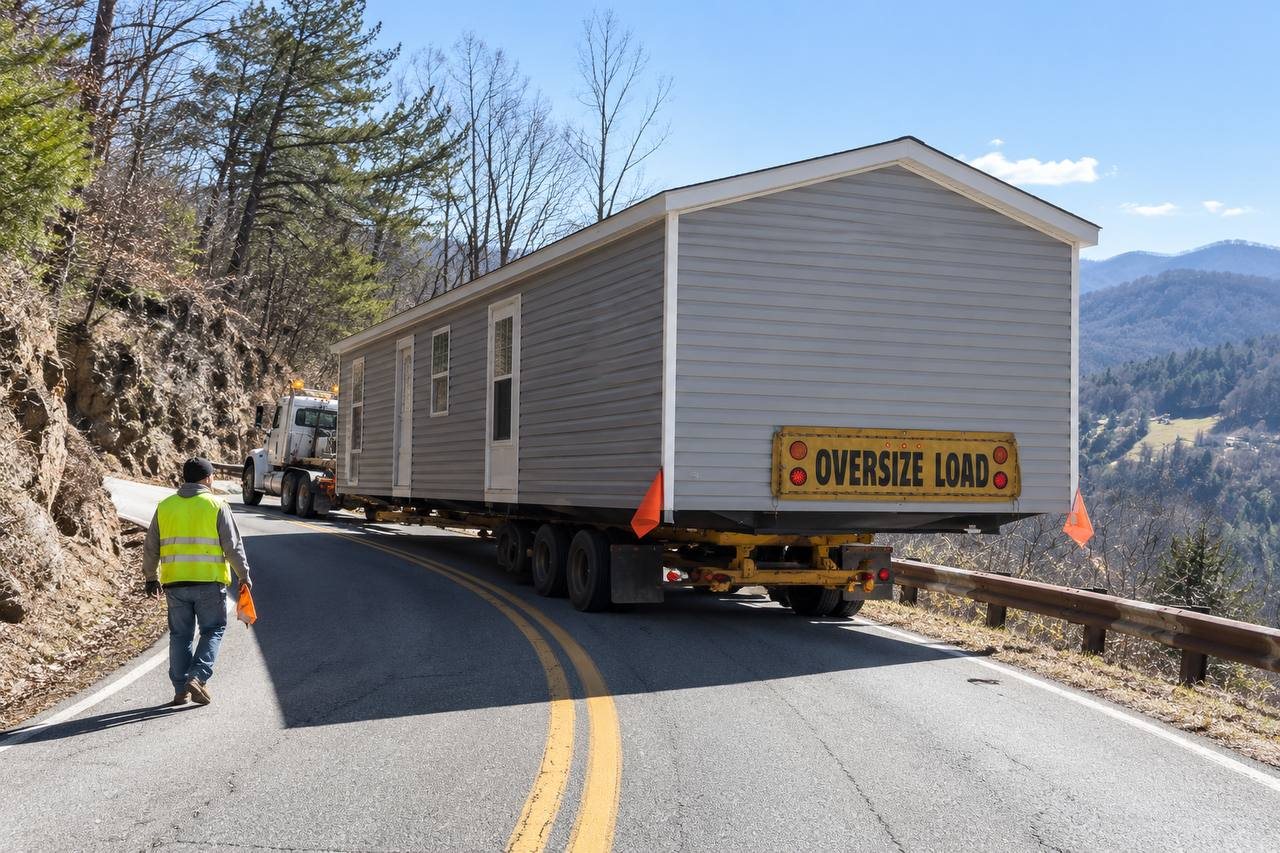
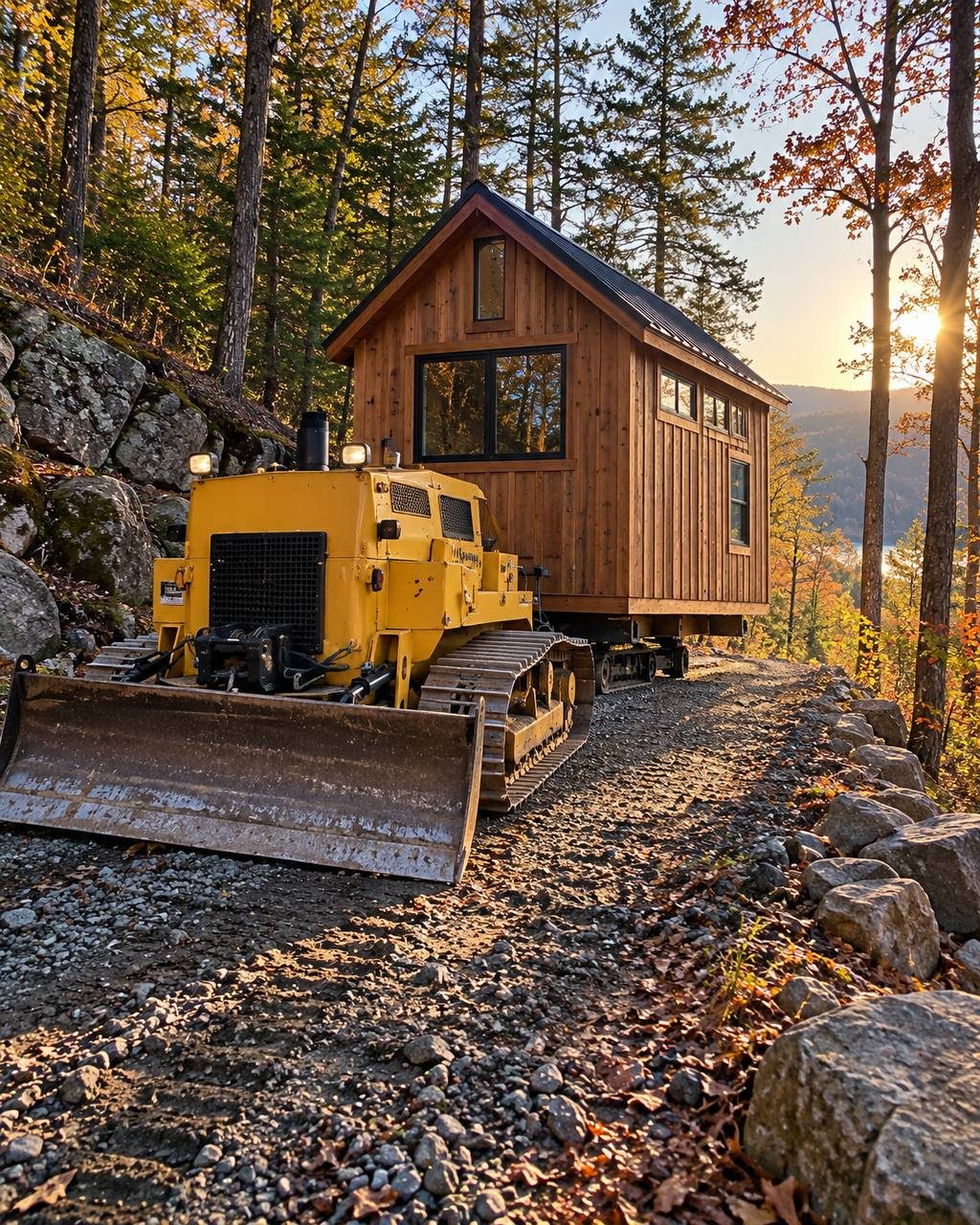
Oconee County's terrain creates real price spread within these bands. Routes through the Blue Ridge foothills — Salem, Walhalla, the Chattooga River corridor — involve mountain curves, weight-restricted bridges, and road widths that require slower travel and sometimes an additional pilot car. Eastern-county moves toward Lake Hartwell and Lake Keowee often end on unpaved lakefront drives with limited turning radius. A route survey before a binding quote is standard on any job where destination access is not straightforward. What teardown and destination setup each include is detailed on the mobile home transport page.
SC permits: the tax-paid receipt and what comes after
South Carolina requires a tax-paid receipt from the county treasurer before a mobile home can legally move. The receipt confirms all personal property taxes on the home are current; a delinquent balance blocks the move until it is cleared. Many owners discover the balance only when they are days from a scheduled move date, so pulling this document early is worth the trip to the treasurer's office.
After the tax receipt, a county moving permit is typically required. The destination site then needs an installation permit before the home can be set up and occupied, and an inspection after setup closes out the permit. The full sequence — who issues each document, in what order, and what each costs in Oconee County — is at south-carolina-mobile-home-moving-laws.
For homes built after June 1976, the federal HUD Manufactured Home Construction and Safety Standards govern the installation at the new site. The manufacturer's installation instructions that ship with each home specify pier spacing, leveling tolerances, and the anchor system; meeting those specifications is a legal requirement, not a suggestion. For homes built before June 1976 — predating the HUD Code entirely — the move itself may disturb materials subject to EPA regulations on asbestos and lead paint. Testing and proper handling before transport is required by federal rule; addressing it after setup is more expensive and less safe.
Wind zone, anchoring, and what Oconee County's storm record means for setup
Oconee County is designated HUD wind zone I under 24 CFR 3280.305 — the classification for interior Southeast locations with lower sustained wind exposure than coastal South Carolina. Zone I sets the minimum performance tier for any manufactured home installed in the county, specifying anchor type, spacing, and load rating.
Zone I is not a calm designation. Federal disaster declarations in Oconee County total 21 over the 2004-2026 record. The recent event list includes three hurricane impacts (2022, 2023, 2024), a tropical storm in 2024, and a winter storm in 2026. A home that transports cleanly and is set up to minimum standards can still lose anchoring in a high-wind or ice-load event when the pier layout doesn't account for sloped ground or when soil conditions at the new site are softer than assumed. On a sloped lot in the Oconee foothills, it is worth asking the crew whether the site calls for a reinforced anchor layout beyond the zone I minimum. What a responsible setup inspection should verify before the crew departs is detailed on the mobile home transport page.
What to ask a Seneca-area crew before you book
Route experience and installation practice are the two things worth pressing on before signing. A crew that has moved homes off steep parcels near Salem or onto lakefront lots along Lake Keowee knows the bridge weight restrictions and grade limits that surface on the day of the move — not in the quote. Ask whether the crew pulls the required SC permits on your behalf; the answer tells you how many times they have completed this job in this state.
On the installation side, ask whether the crew works from the home's manufacturer installation manual. The HUD Code requires any post-1976 home to be set up per those instructions or a recognized alternative. The International Code Council's manufactured home installation standard at iccsafe.org is one such alternative that some jurisdictions and crews follow. A crew that cannot name either document is working from habit rather than specification, and habit is how anchoring mistakes get made on Oconee County hillsides.
For a straightforward single-section move within Oconee County, plan two to four weeks from first contact to move day — most of that time is permit processing and destination site preparation. Double-wides and cross-state origins take longer to schedule and permit. Use the mobile home movers near me form to get a timeline estimate for your specific job.